Last updated October 30, 2026
 Smart locks
 House lockouts
 Re-keying
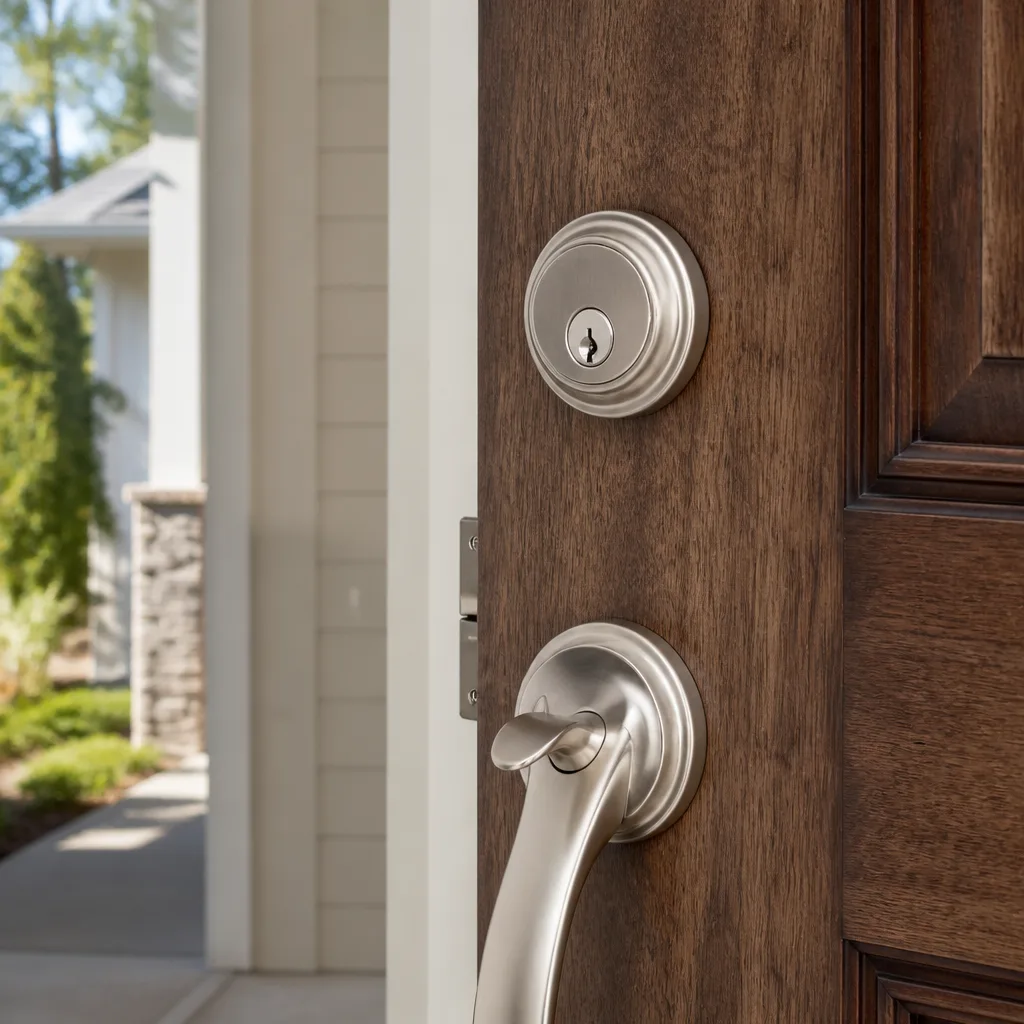 Deadbolt upgrades
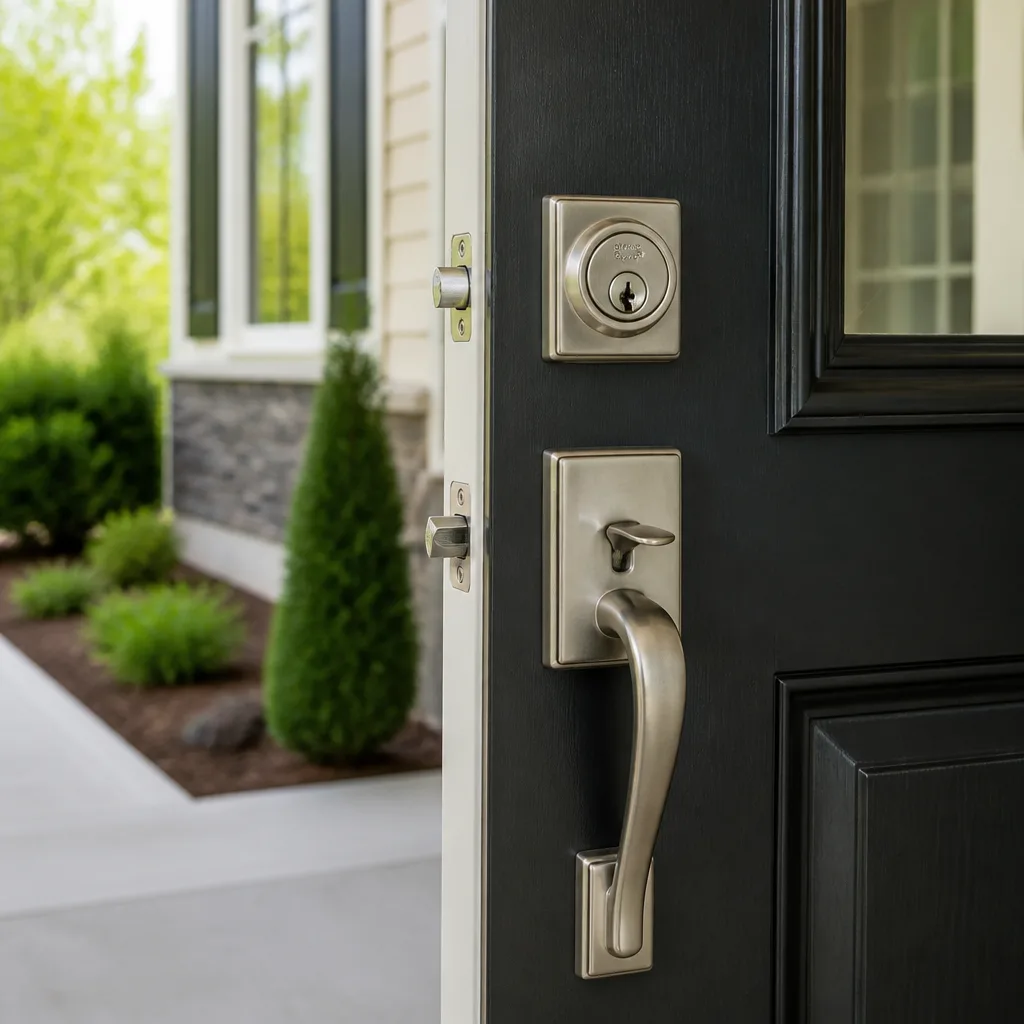 Schlage
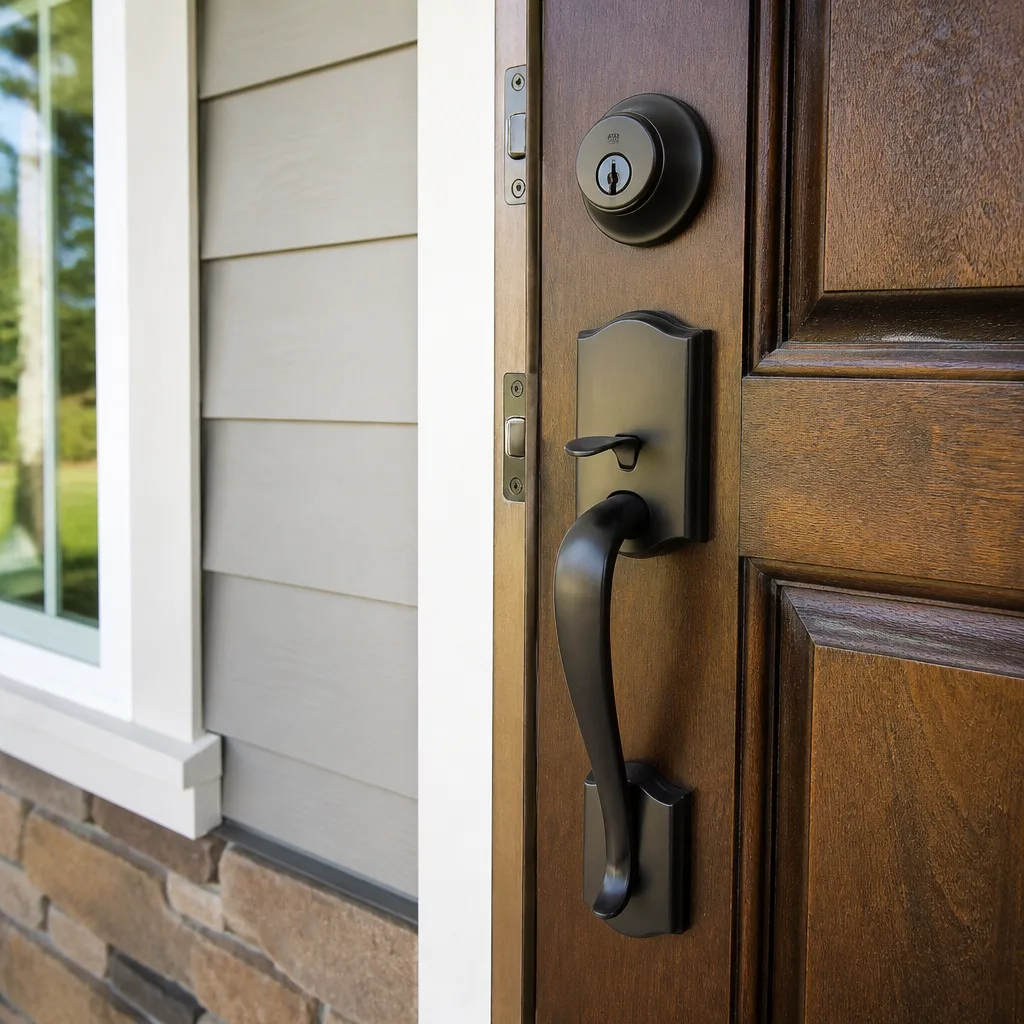 Kwikset
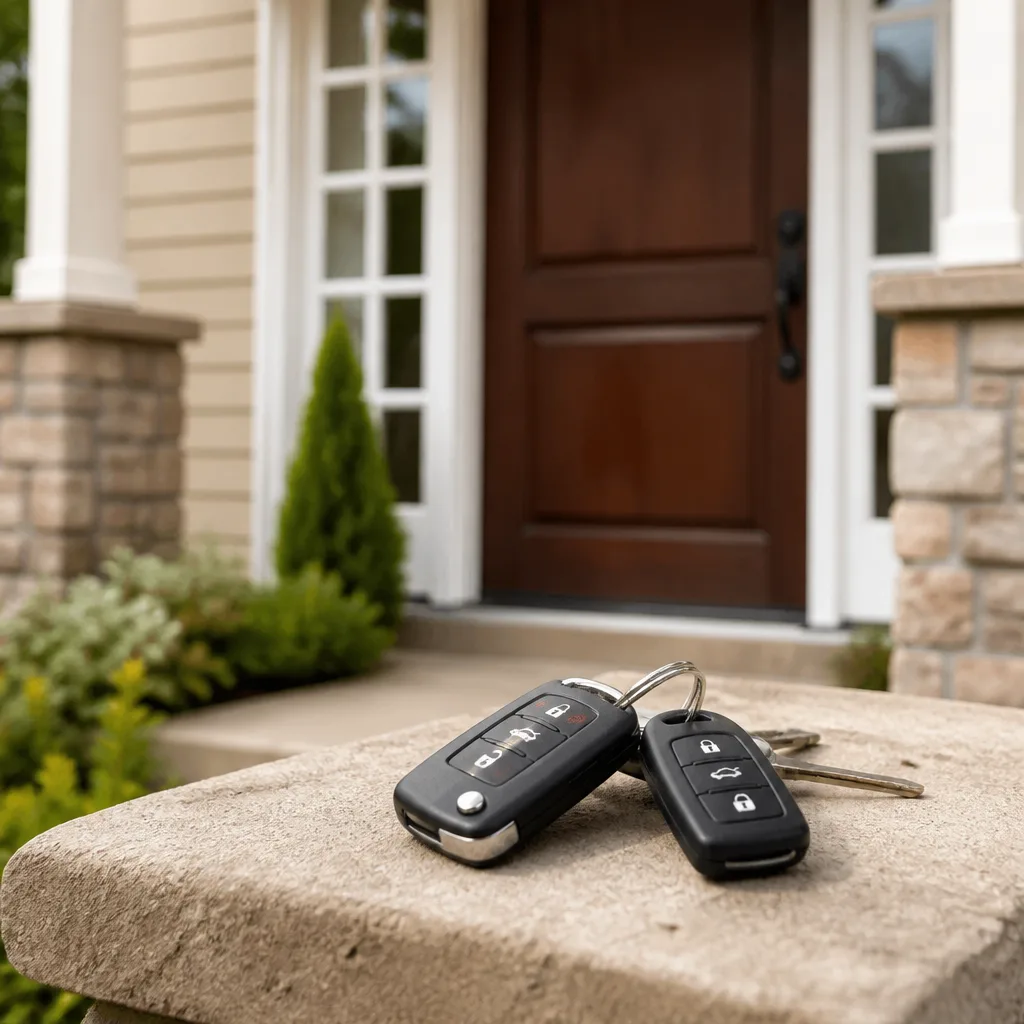 Car keys & fobs
Non-destructive entry first, always - and we re-key Schlage, Kwikset, and Baldwin locks on the spot while you watch
You get a price before we start. It does not change when we arrive. No surprises.
Get your free estimateLocksmith Cost Breakdown: The Washington, D.C. Homeowner’s Reference for 2026
The “$19 lockout” ad you’ll see plastered across search results for Washington, D.C. locksmiths is a known bait-and-switch figure. The real invoice, after “service call fees,” “security pin charges,” and “drill fees” get stacked on, lands somewhere between $150 and $300 for what was advertised as a twenty-dollar job. This guide exists so you never walk into that trap again. We’re going to walk through exactly what every common locksmith service should cost in Washington, D.C. in 2026, why those numbers are what they are, and how the price architecture works so you can compare quotes with a straight face before anyone ever touches your door.
Styles & brands we work with
Quick Answer
Locksmith costs in Washington, D.C. range from $75 to $180 for a standard residential lockout and $65 to $120 for rekeying a single lock, while car key replacement runs $150 to $400 depending on the transponder and key type. Legitimate prices are built on four drivers: labor tier (apprentice vs. certified technician), hardware grade (Kwikset vs. Medeco), time of dispatch (business hours vs. 2 a.m.), and job complexity. Any quote you can’t see itemized before work starts is not a quote; it’s an opening bid.
Table of Contents
- Service-by-Service Price Ranges for Washington, D.C. in 2026
- What Actually Drives Locksmith Pricing: The Four Legitimate Factors
- After-Hours and Emergency Surcharge Norms in D.C.
- How to Get a Binding Written Estimate Before Work Starts
- The Cost Math: Proactive Rekeying vs. Reactive Lockout Service
- Hardware Tiers: What You Pay for Kwikset vs. Medeco vs. Baldwin
- Automotive Key Replacement Costs in Washington, D.C.
- Access Control and Commercial-Grade Hardware Pricing
- Common Mistakes to Avoid
- When to Call a Professional
- Frequently Asked Questions
- The Bottom Line
Service-by-Service Price Ranges for Washington, D.C. in 2026
Here is what a legitimate locksmith in Washington, D.C. should be charging in 2026, broken down by service. These ranges reflect real market data from our service area and the broader D.C. metro market, where labor rates run 20% to 30% higher than the national average due to cost of living and the density of older, security-conscious properties. The ranges assume a standard, non-emergency dispatch during business hours. For emergency planning, see our Locksmith Emergency Preparedness Guide for Washington, D.C. Homes; emergency and after-hours calls add surcharges, which we break down in the next section.
| Service | Typical 2026 Price Range (D.C.) | What It Includes |
|---|---|---|
| Residential lockout (no damage) | $75 – $180 | Dispatch, lock picking or bypass, one lock, no parts |
| Residential lockout (drill and replace) | $150 – $350 | Drilling a seized or broken lock, new cylinder, labor |
| Rekey a single lock | $65 – $120 | Disassembly, new pins, new key, reassembly |
| Rekey entire home (4 – 6 locks) | $180 – $400 | All locks keyed to one key, new keys cut |
| Deadbolt replacement (Kwikset or Schlage grade 3) | $45 – $90 per lock | Standard deadbolt, basic installation |
| Deadbolt replacement (Baldwin or Grade 1) | $120 – $300 per lock | Premium hardware, reinforced strike plate, keyway specific to brand |
| High-security lock installation (Medeco, Abloy, Mul-T-Lock) | $150 – $450 per lock | High-security cylinder, restricted key, key control card |
| Car key replacement (basic, no transponder) | $75 – $150 | Key cutting for older vehicles without chips |
| Car key replacement (transponder/chip key) | $150 – $300 | Transponder programming, key cutting, chip key |
| Car key replacement (proximity/smart key) | $250 – $400 | Smart key fob programming, key cutting, vehicle sync |
| Commercial access control (single door, basic) | $800 – $1,800 | Keypad or fob reader, latch hardware, basic programming |
These are the numbers you should see on an itemized invoice. A locksmith in Washington, D.C. who gives you a single lump-sum figure with no breakdown is either rushing you or hiding something. The standard industry practice is to quote the service call fee, the labor (usually in 15-minute increments or a flat per-service rate), and the hardware separately. Each of those three components should appear on the estimate you agree to before the technician touches your door.
What Actually Drives Locksmith Pricing: The Four Legitimate Factors
When a D.C. locksmith gives you a price that seems high compared to a national average you found on a forum, there are four legitimate reasons it could be honest. Understanding these inputs is what separates an informed consumer from a mark. No legitimate operator should have any problem explaining each of these on the phone before dispatch. If they can’t or won’t, that’s your signal to call someone else.
1. Labor Tier. A certified technician who has passed manufacturer training for a specific brand like Medeco or Abloy costs more per hour than an apprentice who’s been on the truck for three months. That’s not a markup; it’s what it costs to carry a technician who can’t be stumped by a tricky keyway. In Washington, D.C., where many apartment buildings and older homes have non-standard hardware, you want the person who’s seen it before, not the person learning on your door.
2. Hardware Grade and Brand. A Kwikset deadbolt and a Baldwin mortise lock are not the same product with different stickers. The Baldwin costs more because the internal mechanisms are machined to tighter tolerances, the finishes are thicker, and the strike hardware is actually rated to resist force. High-security brands like Medeco and Mul-T-Lock cost more because the key blanks are restricted and the cylinders use patented pin systems that can’t be bumped or duplicated without authorization. We’ll dig into hardware tiers in a dedicated section below.
3. Time of Dispatch. A 2 p.m. lockout on a Tuesday costs less than a 2 a.m. lockout on a Sunday. This is not price gouging; it’s the economics of paying a technician to be on call and keeping a truck stocked and ready at night. The question isn’t whether there’s a surcharge, it’s whether the surcharge is disclosed before dispatch. We cover after-hours norms in detail below.
4. Job Complexity. Rekeying a standard Kwikset cylinder takes 15 minutes. Rekeying a Medeco cylinder with a six-pin sidebar mechanism takes longer, requires specialized tools, and the pins themselves cost more. Automotive work adds another layer: modern vehicles require diagnostic equipment to program transponder chips and fobs. That equipment isn’t cheap, and the training to use it isn’t either. A legitimate price reflects the actual complexity of the job, not a flat “locksmith rate” applied indiscriminately.
In our experience across thousands of service calls, the customers who get the fairest pricing are the ones who ask the right questions up front: “What’s the service call fee? What’s the labor rate? What hardware am I paying for, and what grade is it?” A professional answers those questions without a pause.
After-Hours and Emergency Surcharge Norms in D.C.
A legitimate after-hours surcharge in Washington, D.C. runs $50 to $150 on top of the standard rate, depending on time and distance. Anything above that range for a standard residential lockout deserves a direct question about what it’s supposedly covering. Here’s what a reasonable emergency pricing structure looks like, and here’s the language that should trigger your skepticism.
The standard D.C. market structure in 2026 looks like this:
- Business hours (8 a.m. – 6 p.m., Mon – Fri): No surcharge. Standard rate.
- Evenings (6 p.m. – 11 p.m.): $50 – $75 surcharge. This covers the technician’s off-shift availability, not magic.
- Overnight (11 p.m. – 6 a.m.): $100 – $150 surcharge. This is the legitimate premium for a 3 a.m. dispatch in the middle of a D.C. winter.
- Weekends and holidays: $75 – $125 surcharge, depending on the specific day.
- Long-distance dispatch (over 5 miles from the shop’s service core): Many D.C. locksmiths add a mileage fee of $2 – $4 per mile beyond a certain radius. Ask about this directly.
The red flags are specific and recognizable. If the dispatcher quotes a “$19 service call” and then the technician on-site starts naming prices that bear no relation to that figure, you’re being worked. If you’re told your lock is “special” or “high-security” when you know it’s a standard Kwikset from the hardware store, that’s a fabrication. If you’re pressured to pay in cash or the technician “can’t provide a receipt,” those are not signs of a discount. Those are signs to ask them to leave.
One more point worth making directly: a responsible emergency locksmith in Washington, D.C. will confirm the full price on the phone before a truck rolls. At Coral Locksmith home, the price quoted on the phone is the price on the invoice. No “complexity fees” discovered on site. No “security pin” surcharges invented at your door. The full number, agreed to before dispatch, is the only way an emergency call should ever work.
How to Get a Binding Written Estimate Before Work Starts
The single most effective protection against locksmith bait pricing in Washington, D.C. is a written estimate you can hold someone to. Here’s the exact process for getting one, what language makes it enforceable, and what to do if a technician tries to change the terms at your door.
- Call and ask for a written estimate before dispatch. Say this: “I’ll need a written estimate emailed or texted to me before the technician leaves. It should list the service call fee, labor, the specific hardware brand and model, and any surcharges. Can you do that?” A legitimate locksmith says yes without hesitation. A bait-pricing operator will stall, deflect, or say “the technician will assess on site.” That’s the tell.
- Check the estimate for three specific line items. The service call fee (the cost of the truck rolling to you), the labor charge (flat rate or hourly, either is legitimate as long as it’s stated), and hardware (brand name, model, grade). If any of those three is missing or described only as “parts,” ask for the detail before you approve anything.
- Look for this language: “Final estimate – no additional charges without written approval.” That phrase matters because it makes the estimate a contract, not a suggestion. A D.C. locksmith who includes that language is committing to the number. A locksmith who won’t include it is keeping a door open to inflate the price later.
- If the on-site technician says the estimate no longer applies, stop the work. You are not obligated to pay for work you didn’t authorize. Politely tell the technician to restore the lock to its original condition (if they’ve started) and leave. You can call another locksmith. You are never trapped by a technician standing at your door, no matter how inconvenienced or pressured you feel.
- Get a receipt that matches the estimate. The invoice should list the same line items, the same brand names, and the same prices. If it doesn’t, that’s a dispute worth raising with your credit card company.
This process works in the District, in Arlington, in Bethesda, and everywhere else. The mechanics of a binding estimate don’t change based on ZIP code. What changes is how common it is for operators to resist it. In Washington, D.C., where demand is high and transient residents are common, the bait-pricing model survives on customers who don’t know they can ask for this. Now you know.
The Cost Math: Proactive Rekeying vs. Reactive Lockout Service
Here is a piece of cost math that most homeowners never see articulated: a $75 rekey today is cheaper than a $200 emergency lockout at an unpredictable moment in the future. That’s not our opinion. It’s arithmetic, and it’s worth walking through the numbers so you can see why we recommend rekeying as the default move any time keys change hands in Washington, D.C.
Suppose you move into a home in D.C. and don’t rekey the locks. You don’t know how many copies of the old key are floating around: a former tenant’s spare, a contractor who kept one “just in case,” a neighbor who was given a key years ago for package drop-offs. At some point over the next few years, one of three things happens. You lock yourself out (average cost: $150 for a non-damage lockout). You lose your keys and can’t find a spare (same cost, plus potential rekey). Or someone with an old key uses it (cost: whatever they take, plus the locksmith you’ll call anyway to finally rekey).
The proactive alternative: when you move in, you call a locksmith to rekey locks in Washington, D.C. for $65 to $120 per lock, with most D.C. homes falling in the $180 to $400 range for a full-home rekey of four to six locks. You now have a single new key, all old keys are dead, and you know exactly who holds access to your home. That’s it. You’ve eliminated an entire category of risk for the cost of one dinner out.
The math gets even better for landlords. D.C. has strong tenant turnover. A rental property that turns over every 18 months, and where the landlord doesn’t rekey between tenants, is operating with potentially dozens of unreturned keys in circulation after a few turnover cycles. Each rekey costs $65 to $120 per lock. Each potential problem, whether a former tenant accessing a unit or a locksmith call for a lockout, costs more than that in one incident. The emergency locksmith in Washington, D.C. call you’re avoiding is the one you don’t want to meet at 11 p.m., and the rekey is the $75 decision that makes the emergency call unnecessary at all.
One practical note: if you do need an emergency lockout and decide to rekey at the same time, tell the dispatcher that when you call. Many locksmiths will waive or reduce the rekey labor charge if they’re already on site for a lockout. It’s the most cost-efficient way to convert an emergency into a security upgrade.
Hardware Tiers: What You Pay for Kwikset vs. Medeco vs. Baldwin
One of the most useful mental frameworks a D.C. homeowner can have is the tier system for lock hardware, because the tier you’re buying determines both the price and what the lock actually protects you against. Here’s how the tiers break down, what the brand names mean, and what you’re actually paying for when you move up.
Consumer grade: Kwikset, Schlage, Yale. These are the brands you see at hardware stores, and they’re perfectly fine for standard residential use. A Kwikset deadbolt in the $30 – $60 range is a solid, reliable lock that a D.C. locksmith can rekey in fifteen minutes. The cylinder tolerances are good enough for daily use, and replacement parts are available anywhere. The limitation is resistance to forced entry and picking: these locks are not built to slow down a determined intruder with tools. For a standard D.C. row house or apartment, they’re a reasonable default, especially paired with a reinforced strike plate.
Premium residential: Baldwin. When you pay $120 – $300 for a Baldwin deadbolt, you’re paying for machining, finish, and feel, plus measurably better internal components. Baldwin locks use solid brass and steel internals that don’t wear the way stamped consumer-grade parts do. They also carry a visual weight that matters for high-end D.C. properties where hardware is part of the design language. In our experience, a Baldwin lock lasts decades and is rekeyable indefinitely. It’s not overpriced; it’s a different product.
High-security: Medeco, Mul-T-Lock, Abloy, Sargent. This is a completely different category, and the price reflects it. A Medeco or Abloy cylinder in the $150 – $450 range buys you a patented keyway, which means the key blanks can’t be duplicated at a hardware store. It buys you pin systems that resist bumping and picking far beyond what a consumer lock tolerates. It buys you a key control card that restricts who can get copies made. For a D.C. homeowner who has been broken into, or who keeps valuables or sensitive materials at home, or who simply doesn’t want to wonder who has copies of their key, a high-security cylinder from Medeco or Mul-T-Lock is a legitimate security upgrade, not a luxury impulse buy.
The cost of installation also scales with tier. A Kwikset rekey is $65 – $120 because the cylinder is simple. A Medeco rekey is $25 – $50 more because the cylinder uses a sidebar mechanism and the pins are precision-machined to stricter tolerances. The technician doing the work needs manufacturer certification. When you pay that premium, you’re not paying for a brand sticker. You’re paying for hardware that actually resists the techniques that most burglars in Washington, D.C. use, and for the skill of the person installing it.
Automotive Key Replacement Costs in Washington, D.C.
If you’ve ever priced a key at a D.C. dealership, you already know the markup is real. A car key replacement through a dealership routinely runs $300 to $600 for a transponder key, with a wait time measured in days. The same service through a qualified automotive locksmith runs $150 to $300, often completed the same day at your location in Washington, D.C. Here’s what drives automotive key pricing and why the locksmith route is usually the smarter call.
The starting point is the key type. Older vehicles without transponder chips (broadly, most cars before the mid-2000s, plus some base models) need only a mechanical key cut. That’s $75 to $150. Modern vehicles use a transponder chip embedded in the plastic head; the chip sends a signal the vehicle’s ECU recognizes before it will start. Cutting the key is the easy part; programming the chip is what requires diagnostic equipment. That service runs $150 to $300. Proximity keys, often called smart keys, add a passive-entry module and push-button start; those run $250 to $400.
The reason dealerships cost more is structural, not predatory. A dealership replaces the key through the parts department, which marks up the key blank; the service department then programs it at labor rates that run $150 to $200 per hour. A locksmith who specializes in car key replacement in Washington, D.C. carries the key blanks and the programming equipment on the truck. That’s why the price is typically 40% to 50% lower and the service is same-day instead of “order the part and wait three days.”
One piece of advice specific to D.C. drivers: if you’re down to one working key, getting a spare cut now costs about a third of what it costs to replace a key with none. When you lose the last key, the vehicle often needs to be towed to a shop or the locksmith needs to work around a locked ignition without a reference key. That’s added labor and sometimes added hardware. A spare transponder key in the $150 – $300 range is cheap insurance compared to a completely lost-key scenario that can easily push $400 or more. We’ve seen this pattern hundreds of times, and it’s always cheaper to fix before the last key is gone.
Access Control and Commercial-Grade Hardware Pricing
For D.C. small-business owners, property managers, and landlords with multi-unit buildings, access control pricing operates on a different scale than residential locksmith work. But the same principles apply: the quote should be itemized, the hardware should be named, and the scope should be in writing before work starts. Here’s what a basic access control installation actually costs in Washington, D.C. in 2026, and what drives the numbers.
For a single door with a keypad or fob reader, a basic installation runs $800 to $1,800. That price includes the control hardware, the electrified lock or strike, a power supply, the programming for the first set of user credentials, and the labor to pull cable through an existing wall or door frame. Multi-door systems scale roughly linearly, with each additional door adding $500 to $1,200 depending on whether the cabling run is straightforward or requires opening walls. Cloud-based management platforms, which let you issue and revoke credentials from a phone, add $10 to $30 per door per month in software fees.
The hardware name matters here, too. A basic residential-grade electric strike from a no-name manufacturer performs differently than a Sargent or Yale commercial mortise with an integrated lock body. Spring for the commercial-grade hardware if the door gets daily use. A D.C. building entrance that cycles 300 times a day in a condo building needs different hardware than a back-office door that opens four times a shift. A qualified locksmith will ask about traffic patterns, fire code requirements (many D.C. buildings require fail-safe hardware on egress doors), and whether the existing door and frame can support the system before quoting a price.
Access control jobs are never done as emergency dispatches. They’re surveyed, quoted, and scheduled. A legitimate provider will come to the site, measure the door, inspect the frame, check the wiring access, and produce a written scope with a flat per-door price. Anyone who quotes an access control job over the phone without seeing the door is guessing. That’s not a service call; it’s a number pulled from the air.
Common Mistakes to Avoid
- Calling the first sponsored ad without checking for a local address. Many of the “$19 lockout” ads in Washington, D.C. are placed by out-of-state call centers that dispatch subcontracted technicians. Check that the locksmith has a real D.C. presence and a local phone number.
- Accepting a lump-sum quote with no breakdown. A legitimate price is three line items: service call, labor, and hardware. If you can’t see all three, you’re not seeing a quote; you’re seeing a number attached to a promise.
- Not asking for the estimate in writing before dispatch. A verbal quote is worth the paper it’s printed on. Written estimates, with the language we covered above, are enforceable. Insist on one.
- Assuming all locksmiths are interchangeable. A locksmith certified to work on Medeco or Abloy hardware has different capabilities than a technician who only handles consumer-grade Kwikset and Schlage. If you have high-security hardware or a complex automotive key, ask about brand certifications before booking.
- Skipping the rekey after a move-in or tenant turnover. This is the single most common and most avoidable security gap we see in Washington, D.C. homes and rental properties. A $65 to $120 rekey per lock eliminates an entire category of preventable problems.
- Paying for a “free estimate” that turns out to be a sales call. A legitimate estimate is free and comes with no obligation. A bait estimate comes with high-pressure tactics at your doorstep. Know the difference.
- Waiting until the last key is lost to make a car key copy. As covered above, the cost of a replacement when you have no working keys is materially higher than the cost of a spare key made now. This is the easiest $150 to save in all of locksmithing.
When to Call a Professional
Certain situations are not DIY territory. A snapped key broken off inside a lock cylinder requires extraction tools and the knowledge to avoid damaging the cylinder permanently. A deadbolt that won’t throw properly because the door or frame has settled needs someone who understands strike plate alignment and can re-mortise if necessary. A high-security cylinder or an automotive transponder key absolutely requires manufacturer-specific equipment and training. And any lockout where the lock can’t be easily bypassed with a standard pick, or where the lock is a high-security model like a Medeco or Abloy, is a job for a technician who has been certified on that hardware. If you’re unsure, the honest answer is to call. Coral Locksmith offers free estimates in Washington, D.C. Call (855) 382-1343 and we’ll give you a straight number before anyone is dispatched.
Frequently Asked Questions
A standard residential lockout in Washington, D.C. costs $75 to $180 during business hours, while rekeying a single lock runs $65 to $120 and rekeying a full home of 4 to 6 locks runs $180 to $400. These are legitimate, itemized prices from a transparent operator. Any quote significantly below these ranges should be treated as a bait price designed to get a technician to your door, where the real number gets disclosed. Call (855) 382-1343 for an exact quote before work starts; estimates are free and binding.
It should be, and with a legitimate Washington, D.C. locksmith, it is. The full price, including service call, labor, hardware, and any surcharges, should be quoted on the phone before dispatch, and that price should be what appears on the invoice. If a technician arrives and starts adding line items that weren’t disclosed on the call, you are within your rights to refuse the work. Call (855) 382-1343 for a quote that holds.
After-hours pricing reflects the real cost of paying a technician to be available overnight and keeping a stocked vehicle ready for dispatch at 3 a.m. A legitimate surcharge in Washington, D.C. runs $50 to $150 above the standard rate, depending on the hour and day. Surcharges above that range deserve a direct question about what they cover. If you’re calling for a non-urgent issue, scheduling during business hours avoids the premium entirely.
Most residential lockout calls in the District are answered within 30 to 60 minutes, but the specific response depends on the time of day, traffic conditions, and how far the technician is from your location at dispatch. We don’t promise a response time we can’t guarantee. What we do promise is that when we quote a price on the phone, that’s the price. For a current availability check, call (855) 382-1343.
Washington, D.C. requires locksmiths to maintain a valid business license, and legitimate operators carry it visibly. See our Locksmith Permits, Codes & Inspections in DC: What You Need to Know for details. We don’t share our license number in marketing copy, but we’re happy to provide it on request when you call. A real locksmith never hesitates to prove they’re legitimate. If the technician at your door can’t produce credentials, that’s a signal to send them away.
Rekeying changes the internal pins of the existing lock so that old keys stop working and new keys work instead, leaving the visible hardware in place. Replacing removes the entire lock and installs new hardware from scratch. Rekeying is almost always cheaper ($65 to $120 per lock versus $45 to $300 or more for new hardware, depending on grade) and makes sense when the existing lock is in good condition. You replace when the hardware is worn, damaged, or you want to move up a tier in security: from a worn Kwikset to a new Baldwin, for example. For a rekey in Washington, D.C., call (855) 382-1343 for a free estimate.
The Bottom Line
Locksmith pricing in Washington, D.C. is predictable when you understand the inputs: labor tier, hardware grade, dispatch time, and job complexity. A legitimate quote names those inputs and commits to them in writing before anyone touches your lock. A bait quote hides them until the technician is standing at your door. The numbers you should carry away: $75 to $180 for residential lockout, $65 to $120 per lock for rekeying, $150 to $400 for car key replacement, and $150 to $450 per lock for high-security hardware like Medeco or Mul-T-Lock. Ask for the written estimate. Insist on the line-item breakdown. For more guides & resources, visit our blog. If the number on the invoice doesn’t match the number on the phone, you’re not dealing with a professional. And if you want a straight number right now for any lock, key, or security need in Washington, D.C., call (855) 382-1343. We’ll tell you exactly what it costs before we send anyone anywhere.
Written by the team at Coral Locksmith, serving Washington, D.C. since 2018.