
Last updated October 30, 2026
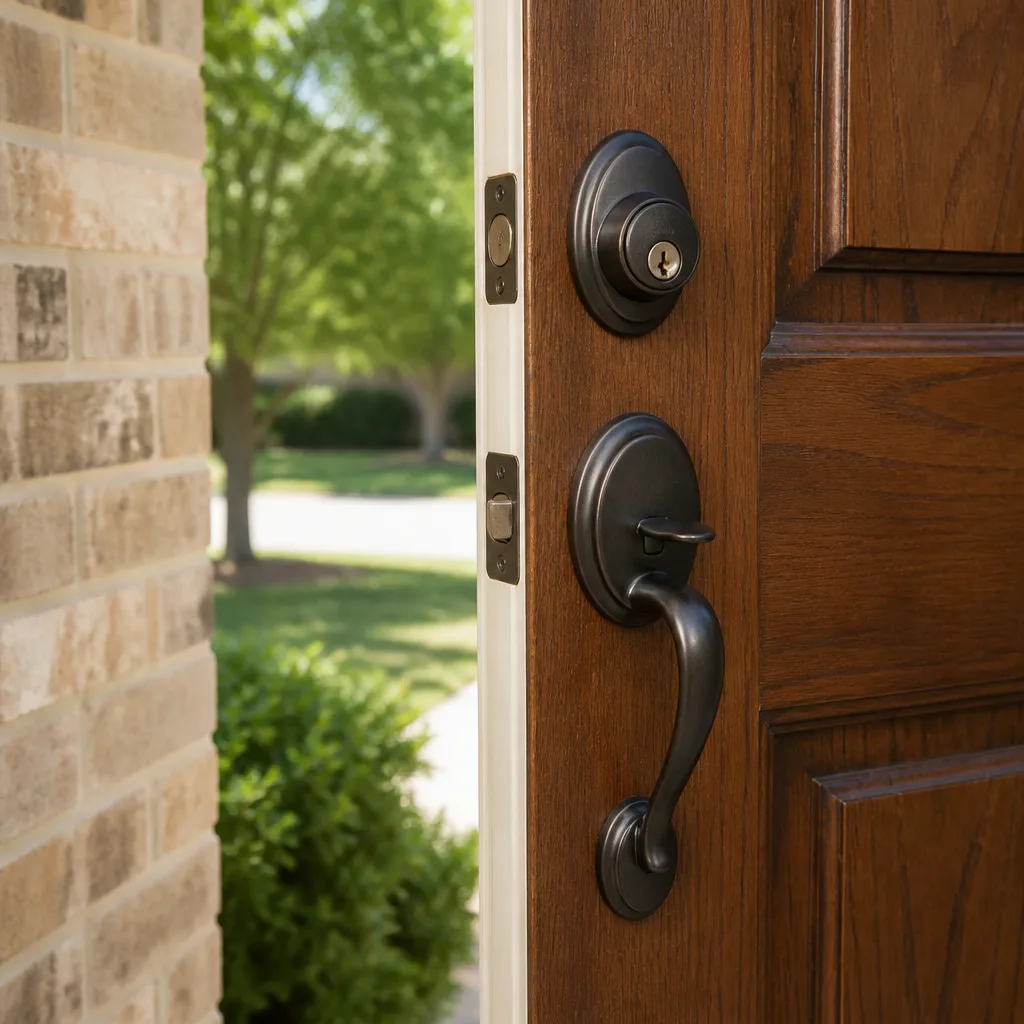 House lockouts
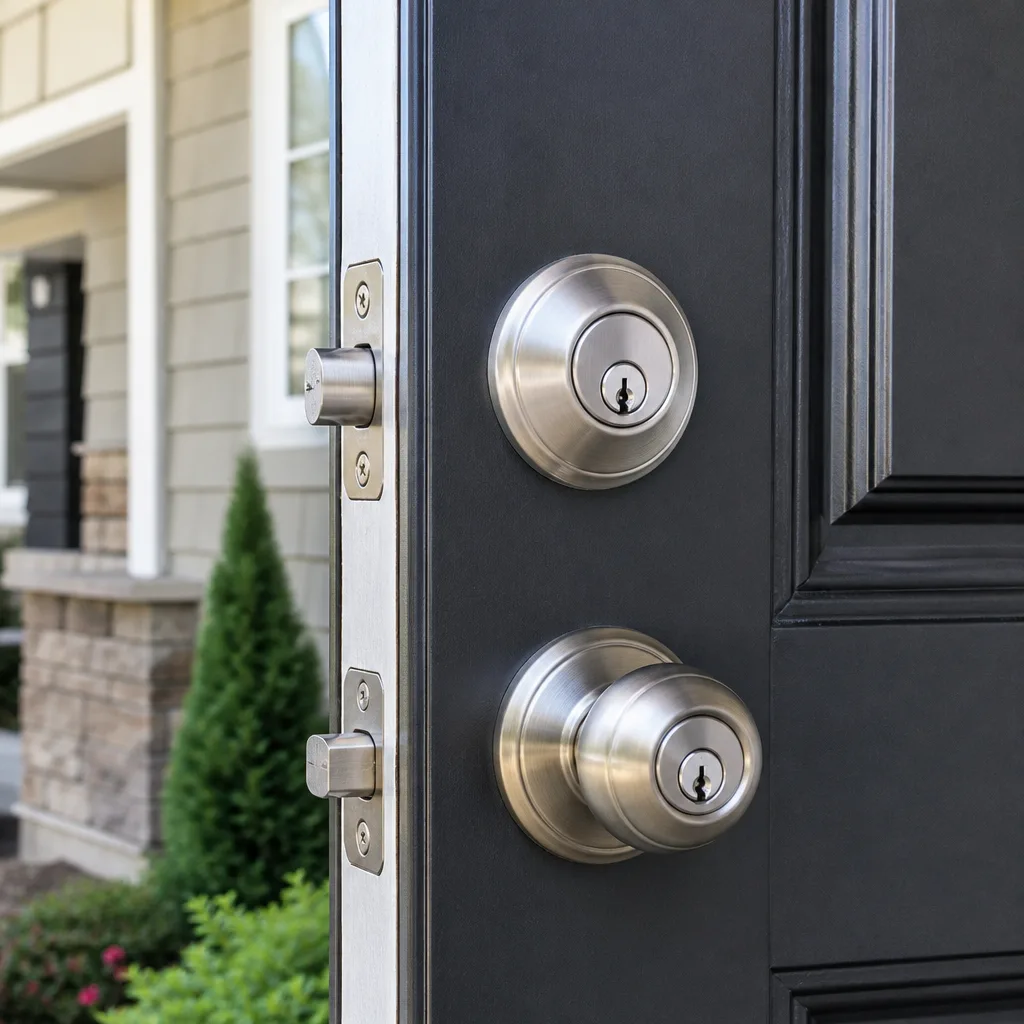 Re-keying
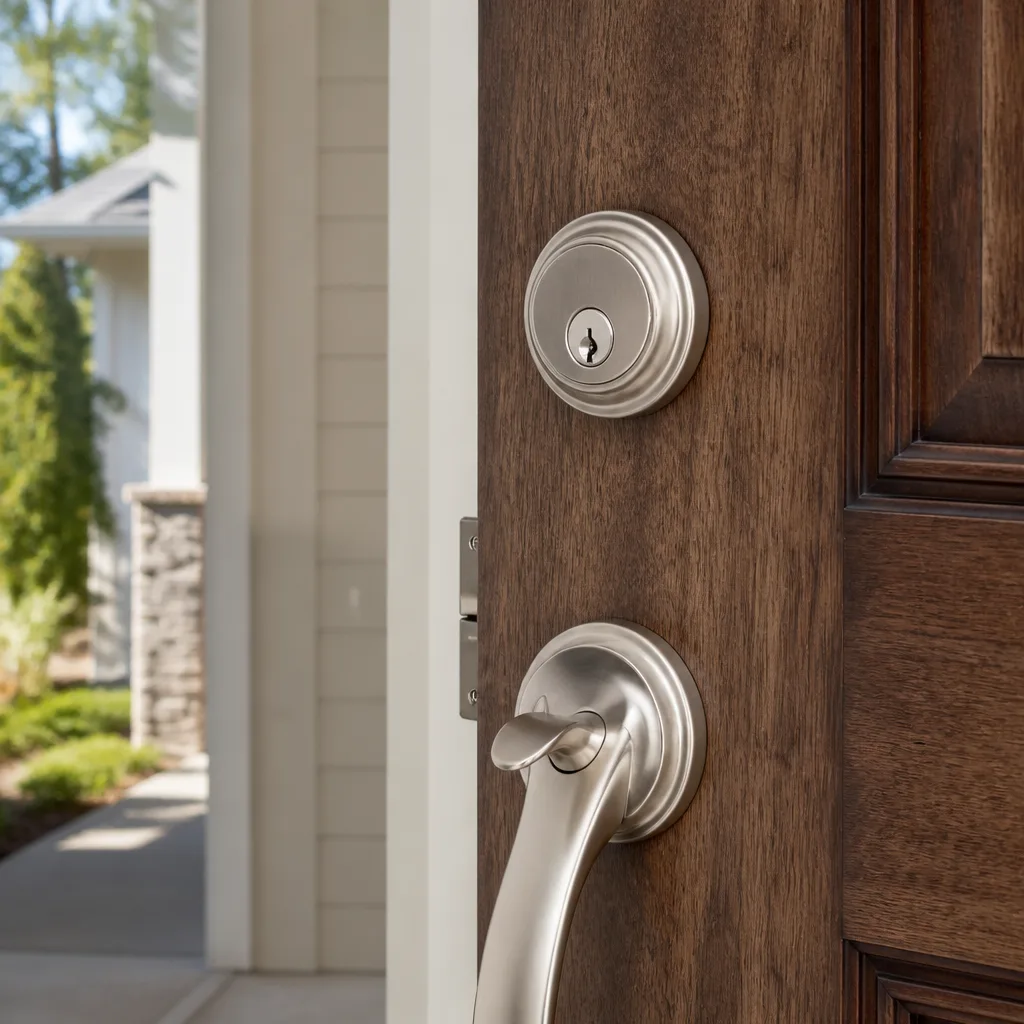 Deadbolt upgrades
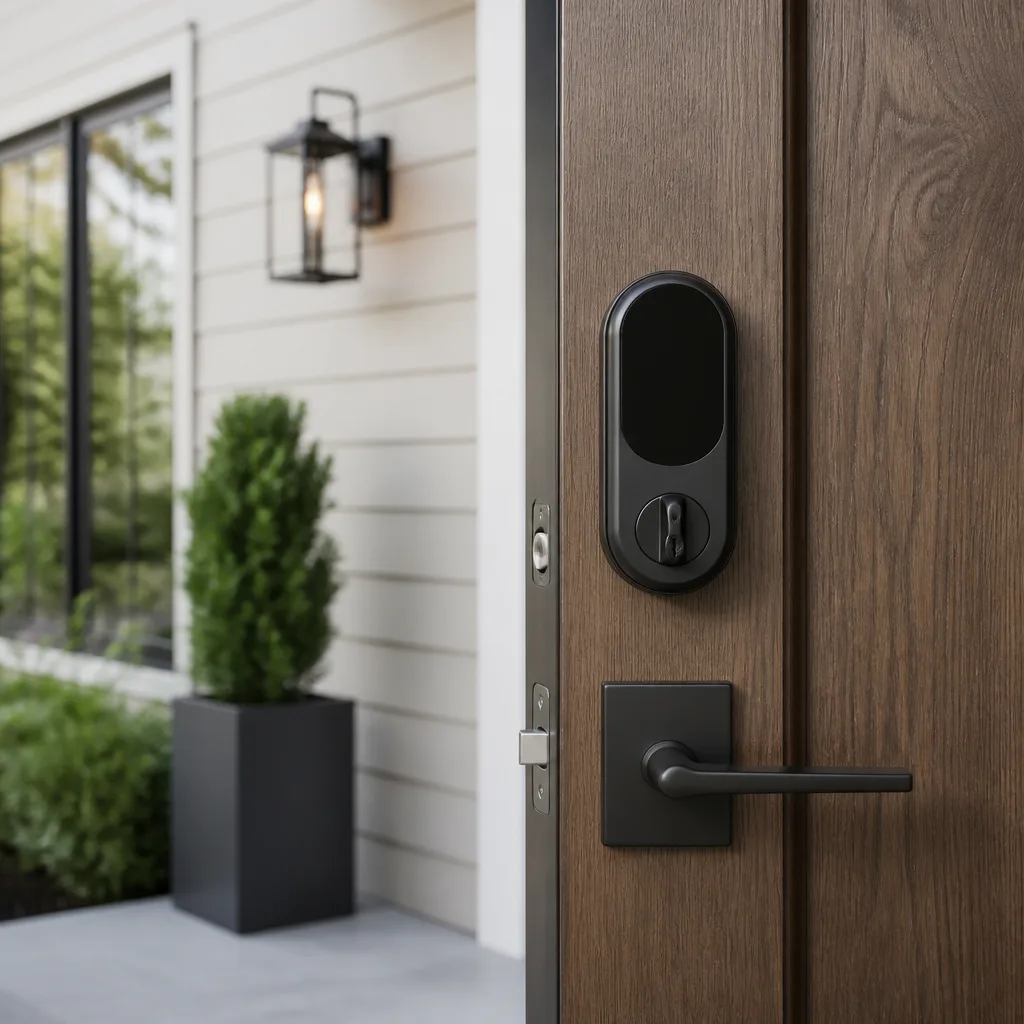 Smart locks
 Schlage
 Kwikset
 Car keys & fobs
Non-destructive entry first, always - and we re-key Schlage, Kwikset, and Baldwin locks on the spot while you watch
You get a price before we start. It does not change when we arrive. No surprises.
Get your free estimateCar Key Replacement Maintenance Checklist for Washington, D.C. Homeowners
A replacement transponder key for a late-model vehicle can run $200 – $500 at a dealership in Washington, D.C. The same key, cut and programmed by a qualified mobile locksmith, typically costs 40 – 60% less. Most drivers only discover this after they’ve already paid the dealership. This guide reframes car key replacement as preventive vehicle ownership: a short maintenance routine that catches worn blades, dying fob batteries, and failing transponder chips before you’re stranded in a Navy Yard parking garage at 9 p.m. You’ll learn what to check, how often, what each fix costs in the D.C. market, and when a maintenance issue crosses into a replacement job.
Quick Answer
Car key replacement in Washington, D.C. is rarely a one-time event. It is a lifecycle cost driven by four components: the physical key blade, the battery inside the fob, the transponder chip that talks to your ignition, and the spare key you probably never made. Run a 10-minute maintenance check every three months, replace fob batteries annually, inspect blades before winter and after summer, and keep a programmed spare. Ignoring these checks is how a $6 battery replacement becomes a $350 emergency key replacement on a humid July night in Adams Morgan. For more detail, see our Car Key Replacement Troubleshooting: Common Problems and How to Fix Them.
Styles & brands we work with
Table of Contents
- The Anatomy of a Modern Car Key: Four Components That Fail Independently
- The 10-Minute Quarterly Maintenance Checklist
- Fob Battery Life in D.C.: Why Yours Dies Faster Than You’d Expect
- Parking Garages, Magnetic Fields, and Tight Clearances: The D.C. Factor
- Duplication vs. Cutting vs. Programming: Why Conflating Them Costs You Money
- Smart Keys and Push-Button Start: Re-Pairing vs. Replacement
- A Seasonal Maintenance Timeline for D.C.’s Climate
- The Spare Key Gap: What a Missing Spare Actually Costs in Washington, D.C.
The Anatomy of a Modern Car Key: Four Components That Fail Independently
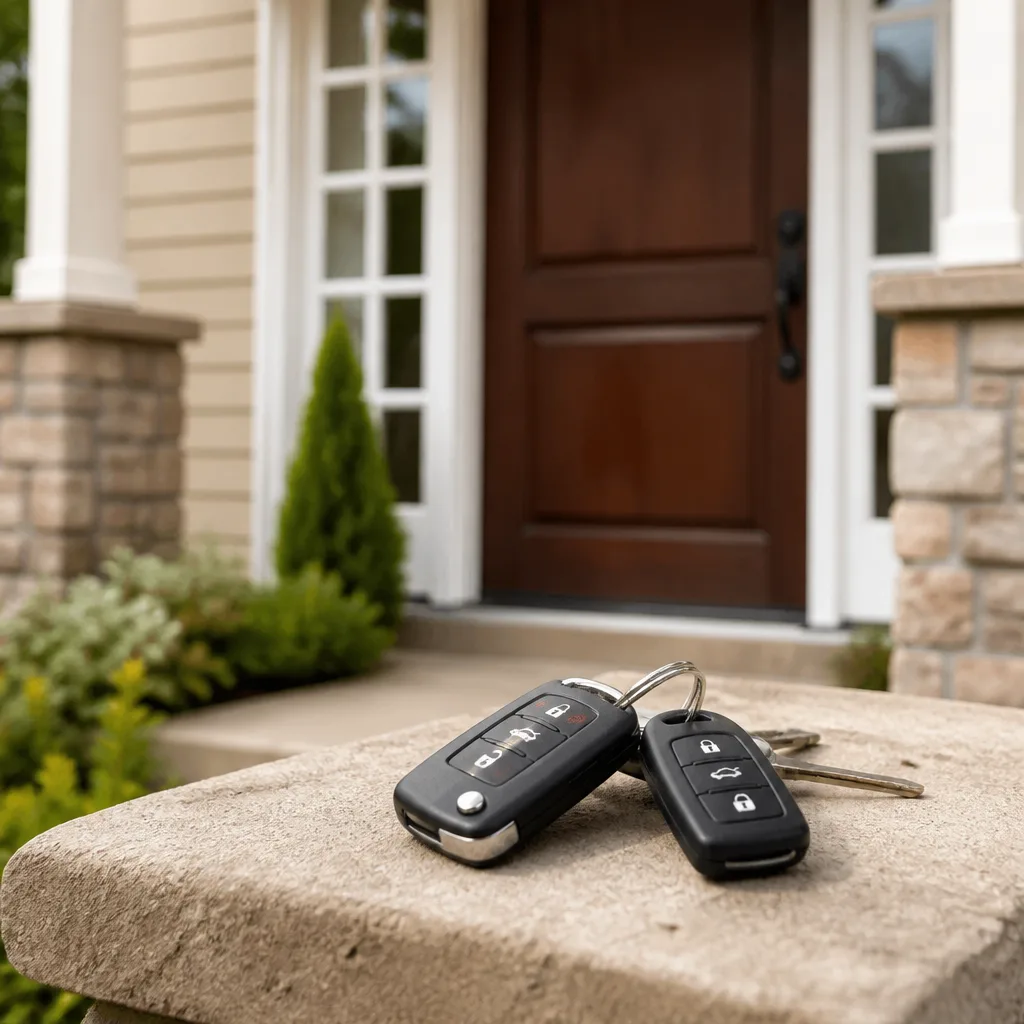
Most drivers think of a car key as a single object. It is not. What you hold is an assembly of four components that wear out on completely different schedules, and each one fails in its own way. Understanding this distinction matters because it determines whether your next key problem costs $6 or $400.
The physical blade is the metal part that cuts into the lock cylinder. Blades wear down gradually, especially if you share keys on a heavy keychain or use the blade to open packages. A worn blade causes sticky turns, resistance in the ignition, or a key that works in the door but not the ignition. On a Schlage residential lock, you’d simply rekey the cylinder. On a car, the same wear pattern requires a new key cut from the vehicle’s key code, not a copy of the worn original.
The fob battery powers the remote functions: lock, unlock, trunk release, panic. These are lithium coin cells, typically CR2032 or CR2025, with a nominal life of two to three years. In real-world D.C. conditions, they rarely make it past eighteen months. More on that below.
The transponder chip is the silent component most drivers never think about. Embedded in the plastic head of the key, it transmits a unique code to the vehicle’s immobilizer system when you turn the ignition. No chip, no start. Chips rarely fail from wear; they fail from impact damage (dropped keys, keys run over in parking lots), water exposure, or manufacturing defects. When a chip fails, the key still turns the ignition but the engine will not start, a symptom drivers routinely misdiagnose as a dead battery or a starter problem.
The key shell, the plastic housing that holds everything together, is the most commonly overlooked failure point. D.C. drivers carry keys in pockets with phones, in bags with metal water bottles, and on keychains that weigh half a pound. The plastic cracks, the buttons wear through, and the blade loosens at the pivot point. A cracked shell can be replaced for $25 – $60. Ignored, it lets moisture into the circuit board and turns a cosmetic issue into a full key replacement.
In our experience across Washington, D.C., the most expensive key problems start as the cheapest maintenance items. A battery swap is a five-minute job. A transponder chip failure that strands you at the Cathedral Heights Giant parking lot is not.
The 10-Minute Quarterly Maintenance Checklist
Run these checks every three months. Ten minutes, no tools beyond a clean cloth, a bright light, and your phone camera. This is the routine that prevents most emergency key replacements.
- Inspect the blade under direct light. Hold the key at an angle and look at the cut edges. A new blade has crisp, well-defined valleys. A worn blade shows rounded shoulders and a dull finish. If your key has visible wear on the high points of the cut, replace it before it stops turning cleanly.
- Test every remote button three times. Lock, unlock, trunk, panic. If the vehicle responds intermittently, or if you need to hold the button close to the car, the battery is weakening. Do not wait for total failure; the battery cost is under $10.
- Check the key shell for cracks. Run a fingernail along the seams of the fob. Look for separation around the key ring opening, the most common stress point. Early cracks are repairable. Late cracks let in moisture and kill the circuit board.
- Attempt the physical key in the door cylinder. This matters even if you only use the remote. The door lock cylinder is your fallback when electronics fail. If the physical key is stiff or the cylinder resists, address it while you’re still on the preventive side of the curve.
- Verify your spare key still starts the vehicle. A spare key that has never been used is a spare key that has never been proven. If your transponder spare has not started the car in six months, test it now. A dead spare is not a spare.
- Photograph your key code tag. New vehicles ship with a small metal tag bearing the key code. If you ever lose every key, that code is the difference between a $150 replacement and a $600 re-key plus dealer programming. Store the photo somewhere you can access without the car.
Every step on this list is something we walk through with Washington, D.C. drivers on a regular basis. The checks cost nothing. The failure they prevent starts at about $180 for a basic transponder key and climbs steeply for proximity smart keys on late-model vehicles.
Fob Battery Life in D.C.: Why Yours Dies Faster Than You’d Expect
Manufacturers rate remote batteries for two to three years of life. In Washington, D.C., drivers commonly report failures at the twelve- to eighteen-month mark. The reason is not a flaw in the battery; it is the environment the fob lives in.
D.C.’s humid summers are the primary killer. Humidity accelerates the slow discharge that all lithium coin cells experience, and it does so even when the fob sits untouched on a nightstand. The moisture content in D.C. air from June through September is consistently among the highest of any major U.S. city. That ambient humidity seeps into the fob housing through the button gaps and the seam around the blade pivot, and it works against the battery chemistry around the clock.
Winter presents the opposite problem, and it is arguably worse for the battery than summer. Lithium coin cells lose capacity sharply at temperatures below freezing. When you park outside in January, the fob in your pocket never fully warms up between trips, and every button press asks more of a battery that is delivering less. The same battery that tested at full voltage in August can be effectively dead by February.
What to do about it:
- Replace fob batteries on a fixed annual schedule, the same way you change smoke detector batteries. Every time you set the clocks forward or back, swap the coin cell.
- Keep the fob in an interior pocket during winter, not an outside coat pocket. The warmth of your body temp stabilizes the battery’s output.
- If your fob has been through a rainstorm or sat in a humid car, open the shell and dry it out. A fob that has taken on moisture needs the battery removed and the internals wiped with a dry lint-free cloth.
- Do not buy replacement coin cells from the bulk bin at a discount store. Batteries that have been sitting in an unheated, unhumidified stockroom are often partially discharged at the point of sale. Buy from a reputable electronics retailer or let your locksmith supply the battery.
A battery swap is the single cheapest maintenance action in this entire guide, and it is the one most likely to be ignored until the remote stops working entirely. The failure mode is predictable, the fix is trivial, and there is no excuse in a city where every pharmacy carries the cell you need.
Parking Garages, Magnetic Fields, and Tight Clearances: The D.C. Factor
Washington, D.C. is a parking garage city. The density of underground and structured parking in neighborhoods like Foggy Bottom, Downtown, Capitol Hill, and NoMa means your key fob spends a disproportionate part of its life in close proximity to large metal structures, magnetic field sources, and physical hazards that open-air drivers never encounter.
The magnetic field concern is real but often overstated. The sources that matter are the high-current electrical lines that run through elevator shafts, the large transformers in parking garage utility rooms, and the powerful magnets used in some automated parking systems. None of these will erase a transponder chip; that technology is not magnetic storage. What they can do, in concentrated doses, is interfere with the fob’s radio transmission when you press a button near the source. The result is a remote that works in your driveway but fails intermittently on level P3 of an underground garage near an elevator bank.
The physical hazards are more concrete. Tight clearances in older D.C. garages, the ones built before the SUV era, mean doors open inches from concrete pillars. Keys swing on belts, scrape against columns, and get crushed against door frames. We see more cracked shells, broken key rings, and crushed fobs from Capitol Hill parking structures than from any other source in the city.
Practical steps for garage-parking drivers:
- Remove your key from your belt loop or bag when navigating tight garage spaces. The fewer hard surfaces it can strike, the longer the shell survives.
- If your remote works inconsistently in a specific garage but works everywhere else, note the location. It is almost certainly environmental interference, not a failing fob.
- Use the physical key when a remote refuses to respond near suspected interference. The mechanical system always works.
This is a maintenance issue that is invisible to most national guides and uniquely relevant to Washington, D.C. drivers. The Coral Locksmith home team inspects fob housings daily and can tell which drivers garage-park by the wear pattern on the key ring alone.
Duplication vs. Cutting vs. Programming: Why Conflating Them Costs You Money
The single most expensive mistake we see in Washington, D.C. is not skipping maintenance. It is paying for a duplicate key that can never work, because the terminology was mixed up on the front end. These three terms describe different processes with different price points, and using the wrong one wastes both time and money.
Key duplication is the process of tracing an existing key and cutting a copy. It works for basic metal keys and for nothing else. If your key has a transponder chip, a duplication is just a metal blank. It will open the door cylinder but it will not start the vehicle. Some hardware stores and kiosks will happily cut you this duplicate without mentioning that it cannot start the car.
Key cutting refers to cutting a blade from the vehicle’s key code, not from a physical copy. The key code is the manufacturer’s record of your lock’s pattern, typically recoverable from the VIN and proof of ownership. Cutting from code produces a clean, factory-spec blade, which matters because every copy of a worn key compounds the wear. For a vehicle with a worn original, code cutting is the only way to get a restoration-quality blade.
Transponder programming is the process of registering the key’s chip with the vehicle’s immobilizer system. Without this step, the car will not start even with a perfectly cut blade. Programming requires either a diagnostic tool, which a competent locksmith has, or a trip to the dealership, which you want to avoid for reasons of both price and wait time.
The practical rule: if your car was built in the last twenty years, you need cutting plus programming, not a duplication. And the condition of your existing key matters. If you copy a worn blade, the copy inherits the wear and fits worse, not better. That is a fundamental distinction most drivers never hear.
For a deeper look at how these processes work in the D.C. market, see our guide to Car Key Replacement in Washington, D.C., which covers programming costs, mobile service, and what to bring to the appointment.
Smart Keys and Push-Button Start: Re-Pairing vs. Replacement
Proximity smart keys, the fobs that let you push a button to start the car without inserting anything, complicate the maintenance picture. When they misbehave, the question is always the same: does this need a re-pairing or a whole new key? The answer depends on the symptom pattern, and the distinction is worth roughly $300.
Re-pairing is the process of re-registering the fob’s wireless link to the vehicle’s receiver. It costs a fraction of a new key and takes minutes with the right diagnostic equipment. Replacement means programming an entirely new fob, which for late-model vehicles runs $250 – $450 in the Washington, D.C. market.
Symptoms that point to a re-pairing need:
- The vehicle intermittently fails to detect the key when it is in your pocket, but works when held against the start button.
- The key starts the car but the remote functions (lock, unlock, hatch release) stop working entirely.
- The vehicle displays a “key not detected” warning that resolves after you move the fob to the other pocket or remove it from a bag with a metal water bottle.
- The failure began after the vehicle’s battery was jumped, replaced, or disconnected.
Symptoms that point to actual key failure and likely replacement:
- The key worked consistently for years and now fails consistently in all locations, including outside any garage structure.
- The fob has visible water damage, a crushed housing, or components rattling inside.
- Multiple attempts at a new battery do not restore any function.
- The key stopped working after impact damage, such as being dropped onto concrete from waist height or higher.
D.C.’s climate is relevant here as well. A smart key that has spent a July afternoon in a parked car on a hot Dupont Circle block has been cooked at interior temperatures that can exceed 140 degrees. Circuit boards do not love that. The failure mode is often a cracked solder joint, which is repairable by a specialist but undiagnosable by a layperson. Before you order a $400 dealer key, have a qualified automotive locksmith assess the fob. The diagnosis is usually cheap or free, and the repair, when possible, is almost always cheaper than replacement.
A Seasonal Maintenance Timeline for D.C.’s Climate
Washington, D.C. has a genuinely aggressive climate for electronic car keys, and if you anchor your maintenance to the seasons rather than to symptoms, you will never be surprised. These are the three dates that matter.
Late October, before the first freeze: This is the critical pre-winter check. Test your fob battery’s cold-weather performance now, because the capacity drop at freezing temperatures will expose a marginal battery that tested fine in September. Inspect the key blade and the physical door lock cylinder; you want the mechanical fallback working perfectly before ice complicates everything. If your spare key has been untested, test it now. Create the habit of carrying the key in an interior coat pocket rather than an exterior one for the duration of winter.
Late March, after the last freeze: Winter road salt in the D.C. metro area is corrosive, and it ends up on your hands, in your pockets, and eventually inside your key fob’s button gaps. Corrosion on the circuit board and battery contacts is a leading cause of spring-time key failures. Open the fob, inspect for white crust or green residue on the contacts, and clean gently with a dry cotton swab. Replace the battery if it has been more than a year. Check the physical key for any binding that developed over the winter.
Late June, before peak humidity: This is the maintenance window that almost nobody schedules and that D.C. drivers need most. Peak summer humidity is the harshest environment your fob will face all year. Change the battery preemptively if it is more than nine months old. Make sure the fob seals are intact; degraded rubber buttons let in moisture exactly when you least want it. If you garage-park in a structure with a known magnetic interference issue, use the summer check-in to verify that your remote still works on your usual level.
These three dates span roughly twenty minutes of total effort per year. The alternative is being one of the drivers who calls us from a M Street office garage in July with a dead fob and a car that will not start.
The Spare Key Gap: What a Missing Spare Actually Costs in Washington, D.C.
The cheapest car key you will ever acquire is the spare you get before you need it. The most expensive is the key you need after you have lost the only one that existed. This is not an exaggeration; it is the pricing structure of the entire automotive locksmith industry, and it applies with full force in the Washington, D.C. market.
When you have a working key, a locksmith can program a second key in minutes for the cost of the key plus a modest programming fee. When you have no working key, the locksmith must first gain access to the vehicle, then determine the key code, then cut a new blade, then program a new transponder from scratch against the immobilizer. On some vehicles, this requires an additional step called a pin code retrieval that involves pulling the immobilizer data directly from the vehicle’s computer. The part cost is the same. The labor is nothing like the same.
In Washington, D.C., this plays out in practical terms:
- A spare transponder key made while you still have the original typically runs $80 – $150.
- The same key made after you have lost the only copy typically runs $180 – $350, plus the cost of the emergency lockout service if the vehicle is locked.
- A proximity smart key made from scratch can exceed $400, and the vehicle may need to be towed if it is not accessible to mobile equipment.
The difference between the two paths is the cost of procrastination, and in this city, it is a difference measured in hundreds of dollars, not tens. A spare key is not a luxury purchase. It is the same category as the spare tire many drivers genuinely believe they can do without until the first blowout on the Beltway at 6 p.m.
If you only have one key for your vehicle, this is the single most important item on this maintenance guide. Your next maintenance action is not a battery check. It is a phone call to have a spare cut and programmed while the process is still simple. If you are a renter or landlord in D.C., the same logic applies to your property: Rekeying locks in Washington, D.C. is the same category of preventive service, and the cost of a rekey is a small fraction of the cost of an emergency lockout or a security incident.
Common Mistakes to Avoid
- Copying a worn key instead of cutting from code. A duplication of a worn blade produces a copy that inherits every bit of the original’s damage. If the replacement key is worth doing, it is worth doing from the vehicle’s key code, not from a degraded physical original.
- Replacing the fob battery with an old or bulk-bin coin cell. A partially discharged battery wastes the repair effort. Use a fresh cell from a retailer with normal stock turnover, and verify the voltage with a multimeter if you have one.
- Ignoring intermittent remote symptoms. Every intermittent button press is a report from your fob about a declining battery or a failing circuit board. Fixing it early is a $6 job. Fixing it late is a $300 job.
- Buying a “cut” key online without understanding programming. An online key seller will cut a blade from a photo of your key, but cannot program a transponder chip. If the key starts the car, it is only because your vehicle does not have an immobilizer, which almost no modern vehicle in the D.C. market is.
- Testing a spare key by turning it in the door but not the ignition. The door cylinder is mechanical; the ignition is electronic. A spare key that turns the door but has a dead or unprogrammed chip gives a false sense of security.
- Leaving the only key on a keychain with a dozen other items. Weight and jangling wear out the blade, the shell, and the pivot point faster than any other factor. Give the car key its own, lighter keychain.
- Waiting until a key fails to call a locksmith. Every key component fails gradually before it fails completely. The maintenance checks in this guide are built around that fact. The driver who schedules preventive service is never the driver who gets stranded.
When to Call a Professional
Most of this guide is designed for hands-on maintenance you can do yourself. But there are clear lines where professional evaluation saves money. If your key’s blade shows visible wear, have a new one cut from code before it stops turning. If your fob has been through water or a hard impact, a specialist can assess whether the circuit board survived. If you do not currently have a programmed spare, do not wait until you lose the only key. And if your key has already failed entirely, the situation is no longer maintenance; it is an emergency, and you want a mobile locksmith rather than a tow to a dealership. Coral Locksmith serves emergency locksmith needs in Washington, D.C. for exactly these moments, and we also handle the preventive side: key cutting, transponder programming, and fob repair before anything becomes urgent. Call (855) 382-1343 for a free estimate.
Frequently Asked Questions
In the Washington, D.C. market, a basic transponder key typically runs $150 – $250 through a mobile automotive locksmith. A proximity smart key or push-button-start fob runs $250 – $450. A basic metal key with no transponder can run under $100. The same keys at a dealership typically run 40 – 60% higher. These are honest ranges, not bait pricing; a reputable locksmith will quote the full price on the phone before anyone is dispatched, and that price is the price on the invoice. Explore our more guides & resources for additional maintenance tips. Call (855) 382-1343 for an exact quote. Estimates are free.
Most transponder key replacements in Washington, D.C. are completed in 30 – 60 minutes once the locksmith is at the vehicle. Proximity smart key programming can take slightly longer depending on the vehicle’s security protocol. Mobile service means the work happens at your location, whether that is a DC street, a garage, or a driveway, with no tow required. If you already have a working key, the process is faster than if the only key has been lost.
Yes. A qualified automotive locksmith can cut a blade from the vehicle’s key code and program a new transponder against the immobilizer even when no working key exists. The process requires more labor than adding a spare, which is why the cost rises when you have lost every key. The earlier you resolve the situation, the less you pay.
Remove the battery immediately, open the fob housing, and dry all components with a clean lint-free cloth. Do not use a hair dryer or any heat source, which can warp the housing and damage the circuit board. Let the internals air-dry for at least 24 hours before reinstalling the battery. If the fob does not work after drying, a professional assessment will determine whether the board is salvageable or the key needs replacement.
If your vehicle has a transponder chip, which every modern vehicle sold in the U.S. does, the spare key must be programmed to the vehicle’s immobilizer. A hardware-store duplication cuts the blade but does not program the chip, so the key will open the door but not start the car. Programming is included in any professional key replacement service.
The door cylinder is a simpler mechanism than the ignition cylinder, and a worn key can still turn the door while failing to engage the ignition’s tighter tolerances. The most common causes are blade wear, accumulated debris in the ignition cylinder, or a transponder chip that is failing. The fix is typically a new key cut from the vehicle’s key code, not a copy of the worn original. Call (855) 382-1343 for a diagnostic without a service fee.
The Bottom Line
Car key replacement in Washington, D.C. is a lifecycle issue, not a one-time event, and the cost of mismanaging that lifecycle runs into the hundreds of dollars. Run the quarterly checklist. Replace fob batteries on an annual schedule anchored to D.C.’s seasons. Cut replacements from key code, not from worn originals. Learn the difference between duplication, cutting, and programming, and stop paying for duplicates that cannot start the car. Make the spare key now, while the process is cheap and the only key still exists. Ten minutes of maintenance per quarter is the entire strategy. The alternative is an emergency you could have prevented.
Written by the team at Coral Locksmith, serving Washington, D.C. since 2018.