Last updated October 30, 2026
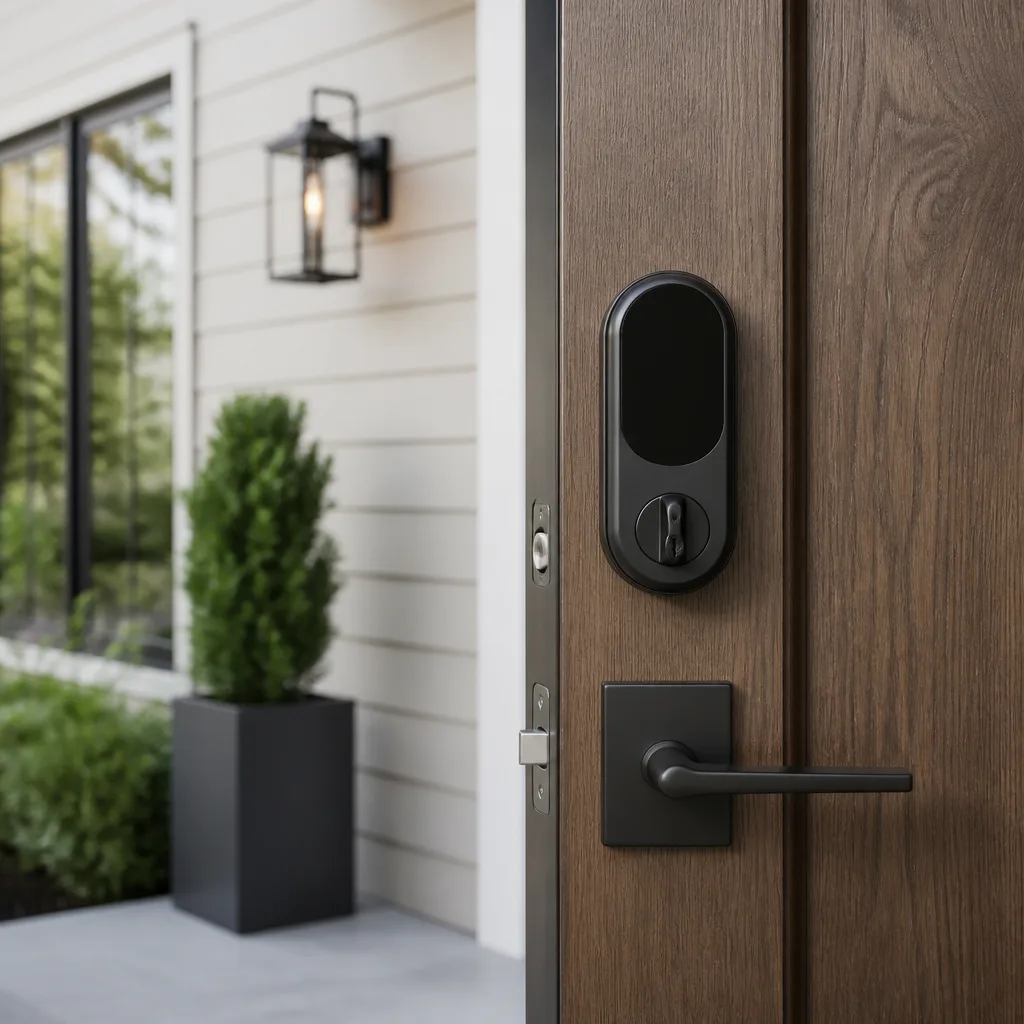 Smart locks
 House lockouts
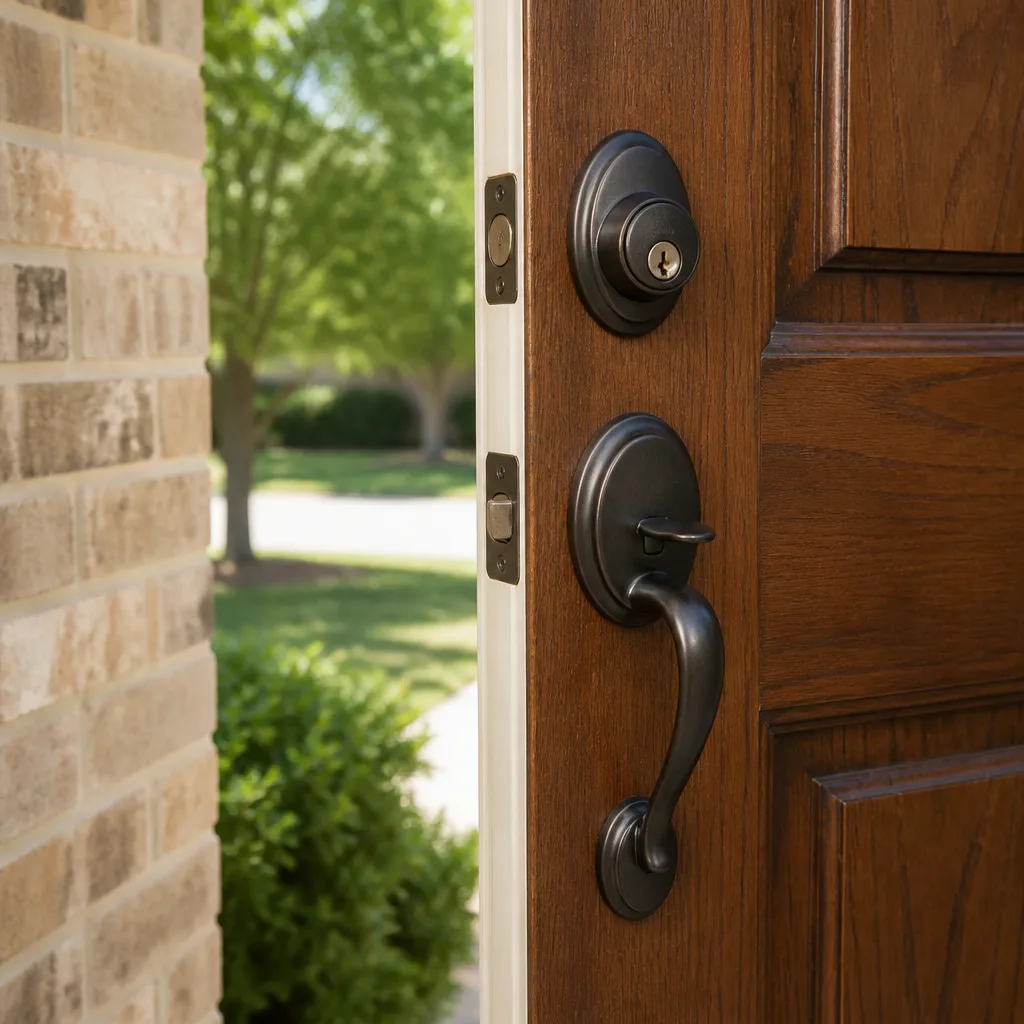
 Re-keying
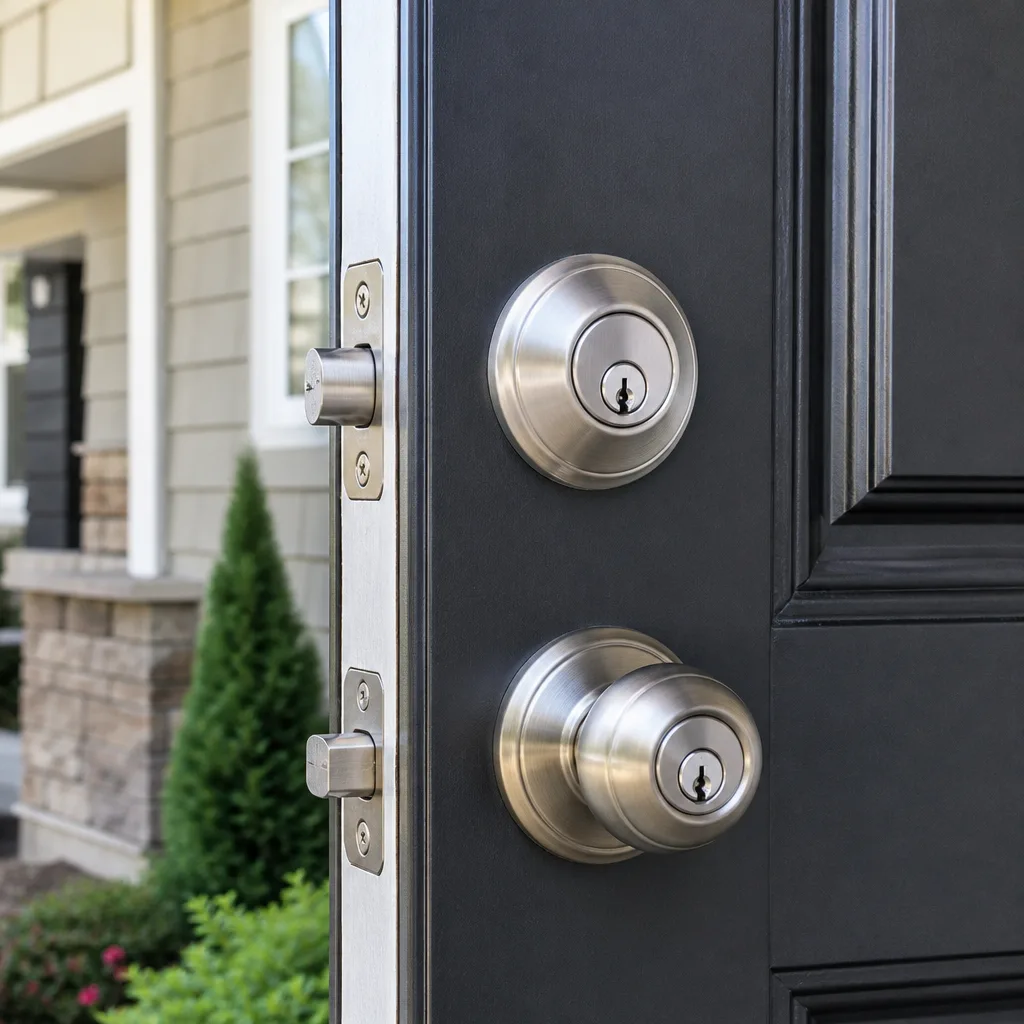
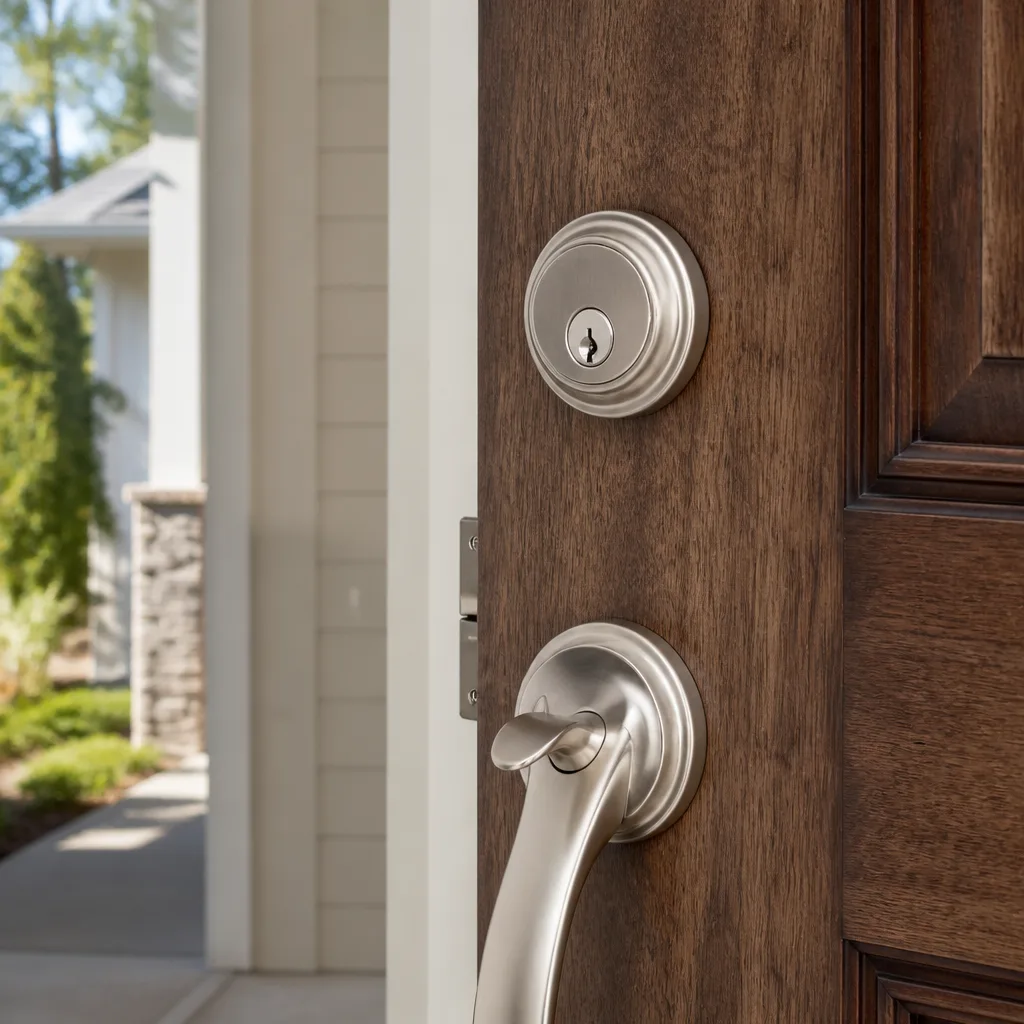 Deadbolt upgrades
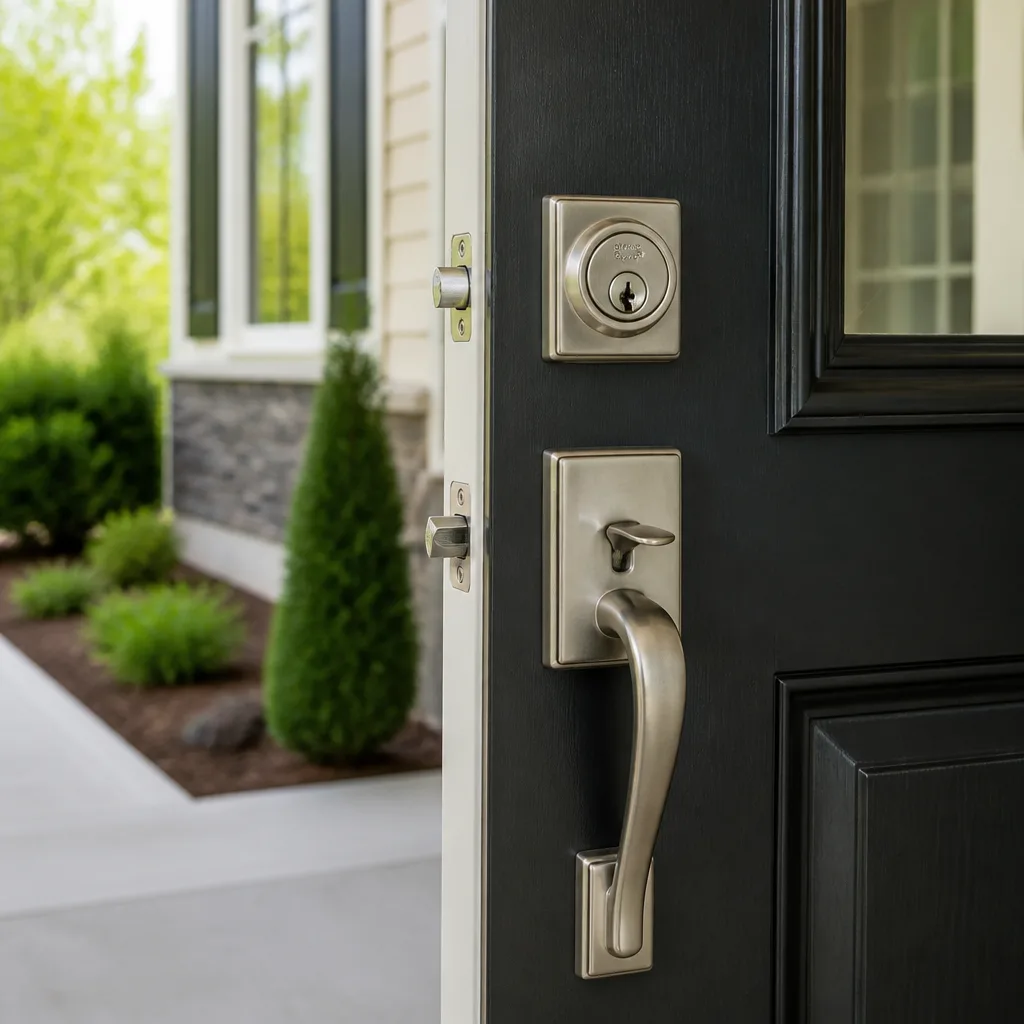 Schlage
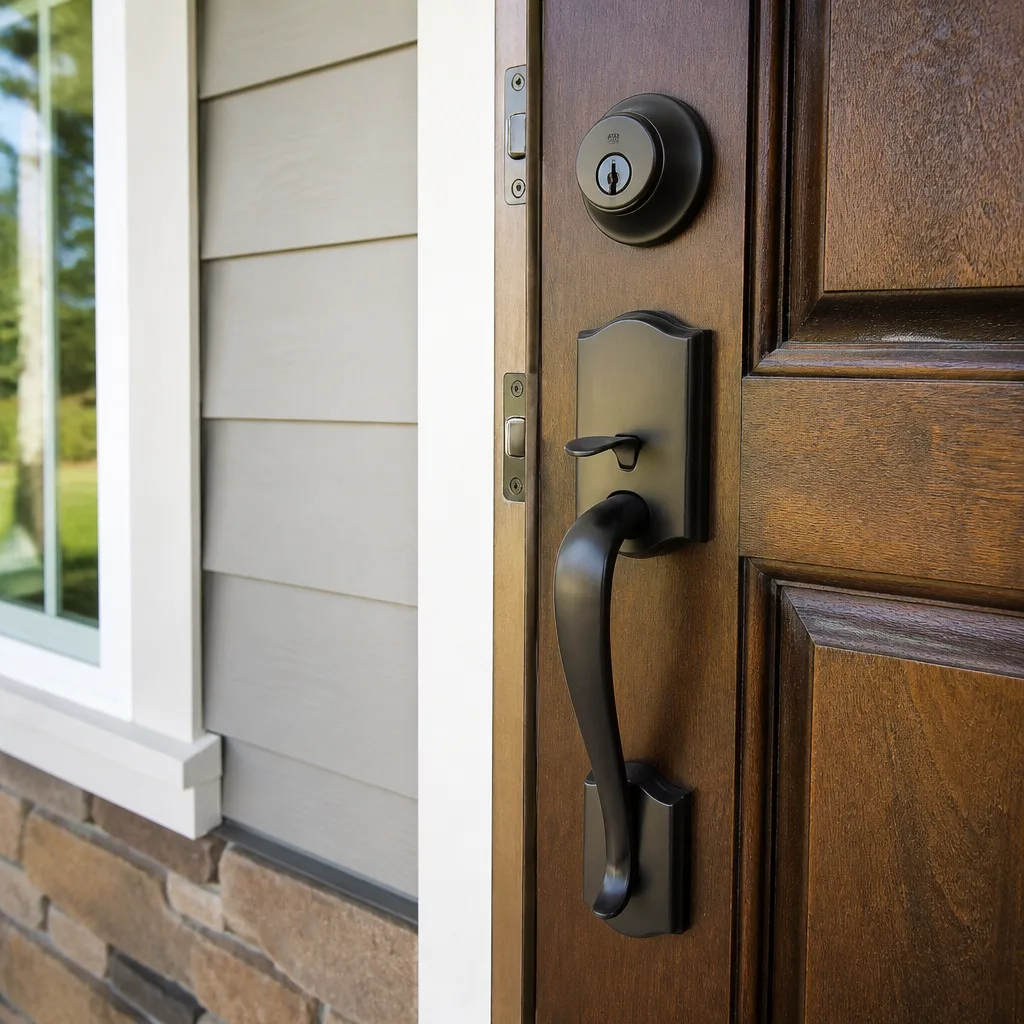 Kwikset
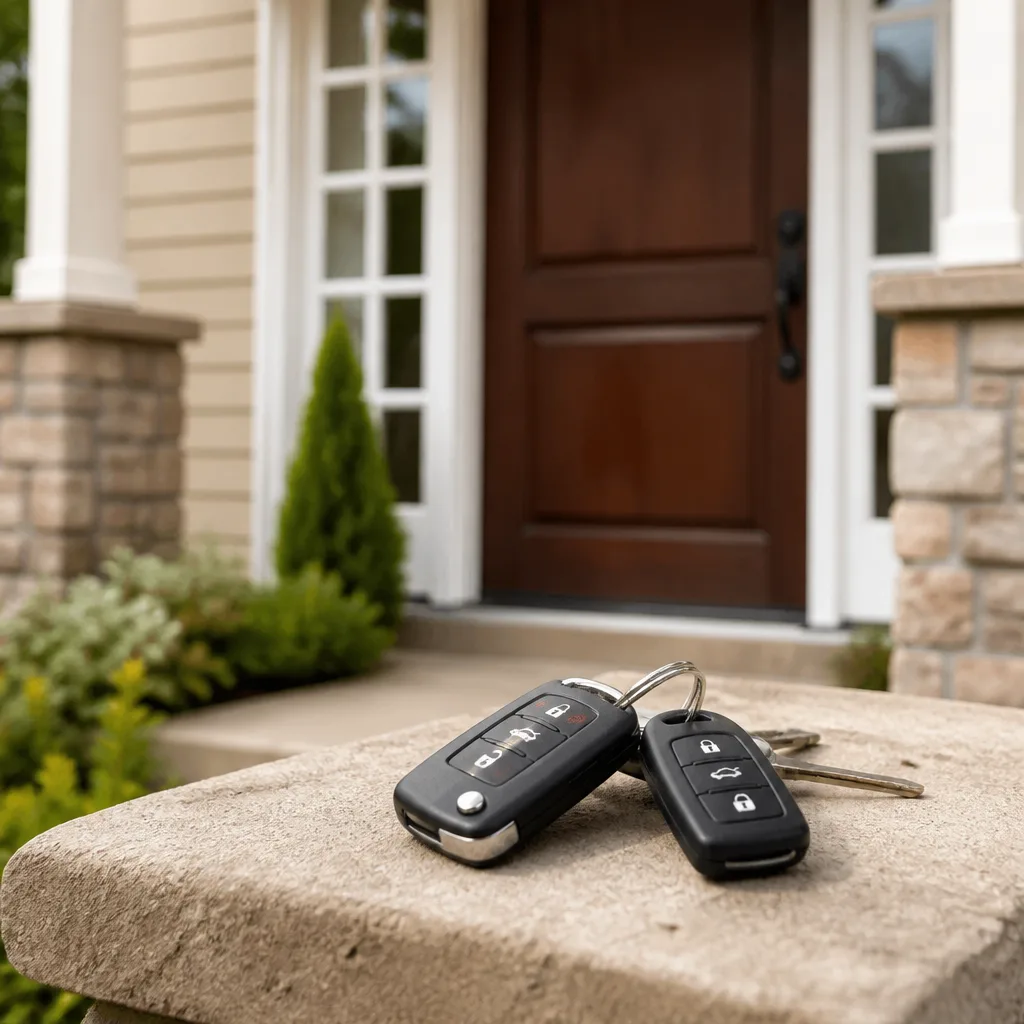 Car keys & fobs
Non-destructive entry first, always - and we re-key Schlage, Kwikset, and Baldwin locks on the spot while you watch
You get a price before we start. It does not change when we arrive. No surprises.
Get your free estimateHow to Hire a Locksmith Contractor in Washington, D.C.: A Step-by-Step Guide
Here’s a statistic that surprises most Washington, D.C. residents: a 2022 investigation by a local consumer watchdog found that a significant percentage of “local” locksmiths appearing in D.C. search results were actually out-of-state call centers dispatching uncredentialed contractors. The homeowner sees a Washington, D.C. address, gets quoted $85, and then watches the price climb past $400 once the tech arrives. The good news is that hiring a legitimate locksmith in Washington, D.C. is not complicated once you know the exact checks to run. This guide walks you through the full vetting process, step by step, so you can hire with confidence the next time a key snaps in your deadbolt or you want your new home rekeyed. For emergency preparedness tips for Washington, D.C. homes, see our dedicated guide.
Styles & brands we work with
Quick Answer
To hire a locksmith contractor in Washington, D.C., verify their DCRA license number before anyone arrives, request a written estimate over the phone that covers the work and any service fee, confirm the locksmith’s physical address matches the name on their credentials, and ask which lock brands they’re certified to work on. A legitimate Washington, D.C. locksmith will answer all four questions without hesitation. Then get the full price in writing before any drilling begins.
Table of Contents
- Step 1: Verify the DCRA License in Under Two Minutes
- Step 2: Questions to Ask Before the Locksmith Arrives
- Step 3: Red Flags Specific to Washington, D.C.’s Locksmith Market
- Step 4: How to Scope the Job Correctly
- Step 5: Insurance and Training Credentials That Matter
- Step 6: Why Lock Brands Matter More Than You Think
- Step 7: Getting a Written Estimate Before Work Begins
- Common Mistakes to Avoid
- When to Call a Professional
- Frequently Asked Questions
- The Bottom Line
Step 1: Verify the DCRA License in Under Two Minutes
Every locksmith operating legally in Washington, D.C. must hold a license issued by the Department of Consumer and Regulatory Affairs (DCRA), and understanding permits, codes, and inspections in DC helps you verify they’re fully compliant. The fastest way to check a license is through the DCRA’s online license lookup tool. Here’s the exact process:
- Ask the locksmith for their DCRA license number before you hang up the phone.
- Open the DCRA license verification page (search “DCRA license lookup” and select the official dc.gov result).
- Enter the license number and confirm the name on the license matches the business name you called.
- Check the license status shows “Active” and the expiration date is in the future.
- Verify the license category lists “Locksmith” specifically, not a generic construction or contractor classification.
A valid Washington, D.C. locksmith license number follows a consistent format: it begins with a letter prefix indicating the license category, followed by a multi-digit numeric sequence. When you ask for the license number, a legitimate operator will provide it immediately, often with the phone number to the DCRA for verification. An unlicensed operator stalls, changes the subject, or offers a Google Maps review count as “proof.” We’ve fielded calls from D.C. residents who discovered the “locksmith” they’d already hired had a license number belonging to a defunct HVAC company. Two minutes of checking would have caught it.
Beyond the license, ask whether the locksmith’s technicians carry individual identification badges showing the company name. District regulations require locksmiths to carry and display identification upon request. If a tech arrives in an unmarked vehicle with no badge and no uniform, you have every right to end the interaction before they touch your lock. A real Washington, D.C. locksmith service will have no issue with you checking credentials at the door. This is the single most effective step in the entire hiring process.
Step 2: Questions to Ask Before the Locksmith Arrives
Most hiring mistakes happen on the phone, not at the front door. The right questions early in the call separate credentialed professionals from call-center dispatchers. Here are the six questions we recommend asking every locksmith before you share your address:
- “What is your DCRA license number?” – Write it down and verify it while you’re still on the call or immediately after. A licensed operator gives the number without pushback.
- “What is your physical address in Washington, D.C.?” – Legitimate local locksmiths have a real shop or office. A vague answer or a refusal suggests an out-of-state call center using a rented local number.
- “What is the total price for the work, including the service call fee?” – You need an all-in number before they dispatch. Ask specifically for the breakdown: labor, parts, and any trip charge.
- “Will you provide a written estimate before any drilling or disassembly?” – Insist on this. A written estimate signed by the tech before work starts protects you from bait-pricing schemes.
- “Which lock brands do you service and install?” – Listen for specific brand names like Schlage, Kwikset, or Medeco. A generic “all brands” answer is often a sign of a low-skill operator.
- “Do your technicians carry photo ID and company credentials on every call?” – A yes with zero hesitation is what you want. A defensive response is your cue to call someone else.
These questions take about ninety seconds to ask. They don’t make you difficult or paranoid. They make you a customer who won’t be overcharged. A professional Washington, D.C. locksmith hears these questions daily and answers every one of them without a pause. When you call Coral Locksmith home for a quote, you’ll get direct answers to all six, including a firm written estimate before any work is scheduled.
Step 3: Red Flags Specific to Washington, D.C.’s Locksmith Market
Washington, D.C. has a locksmith scamming problem that goes beyond the usual price-gouging stories. The specific dynamics of the District, including a rental-heavy population and a high volume of inbound residents, make it a target for a particular type of operator. Here are the red flags most characteristic of the D.C. market:
- A P.O. box or UPS store listed as the business address. Many unlicensed operators rent a mailbox in D.C. to appear local in search results while running calls from Maryland or Virginia. Ask for a street address and verify it.
- A price quote that changes when the tech arrives. The initial quote on the phone is a real quote, not a rough idea. If the on-site price is higher, decline the work. You’re not obligated to pay for a service you didn’t approve at that rate.
- Refusal to show credentials when asked. A legitimate locksmith carries a DCRA license and photo ID on every job. No credentials, no work. It’s that simple.
- An insistence on drilling the lock immediately. A trained locksmith can open many doors non-destructively using picks and bypass tools. Drilling is sometimes necessary, but a tech who reaches for the drill without explaining why is either unskilled or inflating the invoice with a new lock sale.
- An unmarked vehicle with out-of-state plates. While not a dealbreaker on its own, an unmarked car combined with any other red flag on this list is a strong signal to cancel the call.
- Cab-dispatch language. If the person on the phone sounds like they’re reading from a script and can’t answer a simple question about lock hardware, you’re probably talking to a call center, not a local shop.
We can’t tell you how many times a Washington, D.C. homeowner has told us they paid $400 for a lockout that should have cost a fraction of that—our Locksmith Cost Breakdown for D.C. homeowners shows what fair pricing actually looks like. In nearly every case, the red flags were visible before the tech ever arrived. The fix is awareness: know these signals, trust your gut, and don’t be afraid to send someone away without paying a dime if the deal doesn’t match the quote.
Step 4: How to Scope the Job Correctly
Hiring a locksmith is not one-size-fits-all. The questions you ask, the agreement you sign, and the expectations you set depend heavily on the type of work. Here’s how to scope four common locksmith jobs in Washington, D.C.:
Lockout
A lockout is urgent, but urgency doesn’t mean skipping the vetting steps. Get the DCRA license number, confirm the total price including the service call, and ask about their non-destructive opening methods. The best techs will pass through the door using picks and bypass tools, preserving your hardware. Ask for an estimated arrival window and call if they’re running late. For time-critical lockouts, Emergency Locksmith in Washington, D.C. service handles urgent residential and commercial situations with the same credentialing bar as any other job.
Rekey
A rekey is a preventive security job, not an emergency. You’re paying for the locksmith to change the internal pins of your existing lock so old keys no longer work. The scope is straightforward: how many locks, what brands, and whether you want all locks keyed alike to a single key. Get a per-lock price and a written estimate. This is also the time to ask about upgrading to a higher-quality lock if your current hardware is worn. Rekey Locks in Washington, D.C. covers the full process, whether you’ve just moved in, lost a key, or want tenant turnover security.
Hardware Upgrade
Replacing a lock with new hardware requires a different conversation than a rekey. You need to know the brand, the security rating (ANSI Grade 1, 2, or 3), the finish, and the keying options. A good locksmith will walk you through the difference between a Schlage at Grade 2 and a Medeco at Grade 1, and recommend the right tier for your door type and security needs. Ask for a line-item quote: hardware cost, labor, and any door preparation work.
Security Assessment
A security assessment is the most overlooked locksmith service. You’re asking a professional to evaluate your home’s entry points, identify vulnerabilities, and recommend specific upgrades. The scope should include a walk-through, a written summary of findings, and a prioritized list of recommendations with clear costs. This is not a freebie add-on; it’s a paid professional service that pays for itself when it catches a weakness before someone else does.
Step 5: Insurance and Training Credentials That Matter
A DCRA license proves a locksmith is legally allowed to work in Washington, D.C. It does not prove the tech at your door is skilled. That’s where training and insurance come in. Here’s what separates a professional operation from a commodity one:
Proof of insurance. Ask for a Certificate of Insurance (COI) from the locksmith’s insurance carrier. The COI should name the business and show general liability coverage. If a tech damages your door frame during a lock installation, their insurance should cover it. No insurance means any damage comes out of your pocket and your homeowner’s claim.
Brand-specific certifications. This is where the difference becomes obvious. Locksmiths who work on consumer-grade hardware like Kwikset and Schlage need basic competency. Locksmiths who work on high-security brands like Medeco, Abloy, and Mul-T-Lock need verified technical training from the manufacturers themselves. Medeco, for example, requires locksmiths to complete an authorized training program before they’re permitted to service its high-security cylinders. Ask to see the certification. A locksmith who services these brands carries a level of training and accountability that a commodity operator simply does not have.
Background checks. You’re inviting this person into your home or handing them keys to your property. Ask whether the company runs background checks on all technicians. Legitimate Washington, D.C. locksmith firms do this as standard practice. A company that can’t answer the question clearly is a company you don’t want at your front door.
Step 6: Why Lock Brands Matter More Than You Think
Lock brands aren’t interchangeable. A Kwikset and a Medeco are both locks in the same way a Honda and a Mercedes are both cars. They’ll both get you down the road, but the engineering, security, and service requirements are different. When you’re hiring a locksmith, the brands they service tell you something real about their capabilities:
- Kwikset and Schlage are the workhorses of American residential locks. Any competent locksmith should be able to rekey, repair, and replace these without breaking a sweat. They’re solid entry-level and mid-tier options.
- Medeco, Abloy, and Mul-T-Lock are high-security hardware with restricted keyways, patented key control, and drill-resistant construction. Servicing these requires manufacturer certification and specialized tools. A locksmith who works on Medeco and Abloy carries different training, different insurance, and different standards than one who only handles basic residential hardware.
This matters for hiring because it shifts the conversation. Instead of asking “can you fix my lock?” you’re asking “are you certified to service my Medeco deadbolt?” The second question filters out 90% of unqualified operators immediately. At Coral Locksmith, our technicians work across eight lock brands spanning consumer, premium residential, and certified high-security lines. That range means a single phone call covers everything from rekeying a Kwikset on a rental unit to servicing a Mul-T-Lock on a commercial door. The brand range is the proof of depth, not a marketing claim.
Step 7: Getting a Written Estimate Before Work Begins
The single most effective protection against locksmith overcharging is a written estimate signed before the tech touches your lock. Here’s how to get one and what it should include:
- Request it on the phone before dispatch. Ask the dispatcher to confirm the total price band and email or text a written estimate before the tech leaves for your address.
- Review the line items. The estimate should break out labor, parts, and any service call fee separately. If it doesn’t, ask for the breakdown.
- Confirm the scope in writing. “Rekey two entry deadbolts and one lock cylinder, keyed alike to a single new key” is a scope. “Fix locks” is not.
- Decline the work if the on-site price differs. A written estimate is an agreement. If the tech shows up and quotes a higher number, you are entitled to say no and send them away. You owe nothing for a service you did not approve at that price.
- Get the final invoice and compare it to the estimate. They should match, line for line, unless you approved an additional repair in writing during the job.
The locksmith industry has a well-documented bait-pricing problem: the phone quote is low, and the invoice is high. A written estimate kills that dynamic completely. When you call us at (855) 382-1343, you’ll get a clear, honest price range over the phone before anyone is dispatched. The price you’re quoted is the price on your invoice. No surprises, no call-out surcharge added on arrival, no new fees invented on site.
Common Mistakes to Avoid
- Hiring based on the Google Maps ranking alone. The 2022 investigation found that many high-ranking “local” locksmiths in D.C. search results were out-of-state call centers. High ranking does not equal legitimacy. Run the DCRA check.
- Accepting a price quoted over the phone without a written estimate. A verbal quote is not binding. Without it in writing, the on-site price can climb and you’ll have little recourse.
- Letting a technician drill your lock before explaining non-destructive options. Skilled locksmiths can open most locks without destroying them. Drilling should be a last resort, explained first.
- Paying cash without a receipt. A professional operation issues a paid invoice with the company name, address, and DCRA license number on it. No receipt, no proof of work.
- Ignoring brand compatibility for a “universal” replacement. Your door’s prep and finish matter. A “one-size-fits-all” replacement lock often means a worse fit, a worse look, and worse security than a properly matched brand. Ask for brand-specific replacement options.
- Skipping the rekey when moving into a new home. You have no idea how many keys to your new place are floating around. A rekey is the cheapest security upgrade you’ll ever make. It’s the first thing we recommend to every new homeowner and renter in Washington, D.C.
When to Call a Professional
Some lock issues are DIY-friendly. Lubricating a sticky lock with graphite spray, tightening a loose handle, replacing a strike plate screw: these are reasonable homeowner tasks. But most meaningful locksmith work should be handled by a professional. Call a licensed Washington, D.C. locksmith when: you’re locked out and can’t safely access a spare key; you’ve moved into a new home or apartment and need the locks rekeyed; you’ve lost a key and don’t know how many copies are in circulation; a key has snapped off in a lock cylinder; your lock shows signs of tampering or forced entry; you want to upgrade to high-security hardware like Medeco or Abloy; or you need to rekey multiple locks to a master key system for a building or business. Attempting any of these without training risks permanent damage to your door, your lock, and sometimes your personal safety. Coral Locksmith offers free estimates in Washington, D.C. – call (855) 382-1343 to talk through your situation first.
Frequently Asked Questions
You check a locksmith’s license by requesting their DCRA (Department of Consumer and Regulatory Affairs) license number and verifying it through the DCRA’s online license lookup tool at dc.gov. A valid license shows “Active” status, a current expiration date, and the business name matching the company you called. The entire process takes under two minutes and is the most important vetting step you can take.
Locksmith pricing in Washington, D.C. varies by job type: residential lockouts typically range from $75 to $180, rekeys run $15 to $30 per cylinder plus a service fee, and hardware replacement runs $100 to $400 depending on the lock brand and security tier. High-security hardware like Medeco or Abloy costs more due to the specialized parts and certification required. Always get a written estimate before any work begins, and confirm the quote includes the service call fee. Call (855) 382-1343 for an exact quote – estimates are free.
A legitimate Washington, D.C. locksmith will give you a total price over the phone and honor it. Insist on a written estimate confirming the full price including labor, parts, and any service call fee. If the on-site price differs from the written estimate, you have the right to decline the work and send the technician away without paying.
Yes, a skilled locksmith can open the vast majority of residential locks non-destructively using picks, bump keys, specialized bypass tools, and other techniques that preserve your hardware. Drilling is a last resort for high-security locks, failed hardware, or severely damaged cylinders. A professional will always explain why drilling is necessary before reaching for the drill.
Rekeying changes the internal pins inside your existing lock so old keys no longer work and a new key operates the lock; replacing swaps the entire lock hardware for new hardware. Rekeying is usually much cheaper ($15 to $30 per cylinder plus service fee) and is sufficient when your lock is in good condition but you want to invalidate old keys. Replacement is necessary when the hardware is worn, damaged, or you want to upgrade security tier. For most move-in situations, rekeying is the cost-effective choice.
This is the core finding of the 2022 D.C. consumer investigation: national call centers rent P.O. boxes or mail-forwarding addresses in Washington, D.C. to appear local in Google Maps and search results while dispatching unlicensed contractors from outside the District. You can spot these operators by asking for a physical street address, requesting the DCRA license number, and listening for scripted call-center language. A real local locksmith has a verifiable D.C. address and a real license.
The Bottom Line
Hiring a locksmith in Washington, D.C. comes down to five things: verify the DCRA license, ask the right questions before anyone arrives, get a written estimate before any work starts, understand the difference between a commodity operator and a branded hardware specialist, and trust your gut when the red flags appear. The whole vetting process takes less time than the locksmith will spend at your door. Do it every time. A few minutes of checking on the front end saves hundreds of dollars and a major security headache on the back end. When you’re ready to hire, call Coral Locksmith at (855) 382-1343 for a free estimate. We’re Car Key Replacement in Washington, D.C. specialists as well as full-service residential locksmiths, so one call covers your home, your car, and your peace of mind.
Written by the team at Coral Locksmith, serving Washington, D.C. since 2018.