Last updated October 30, 2026
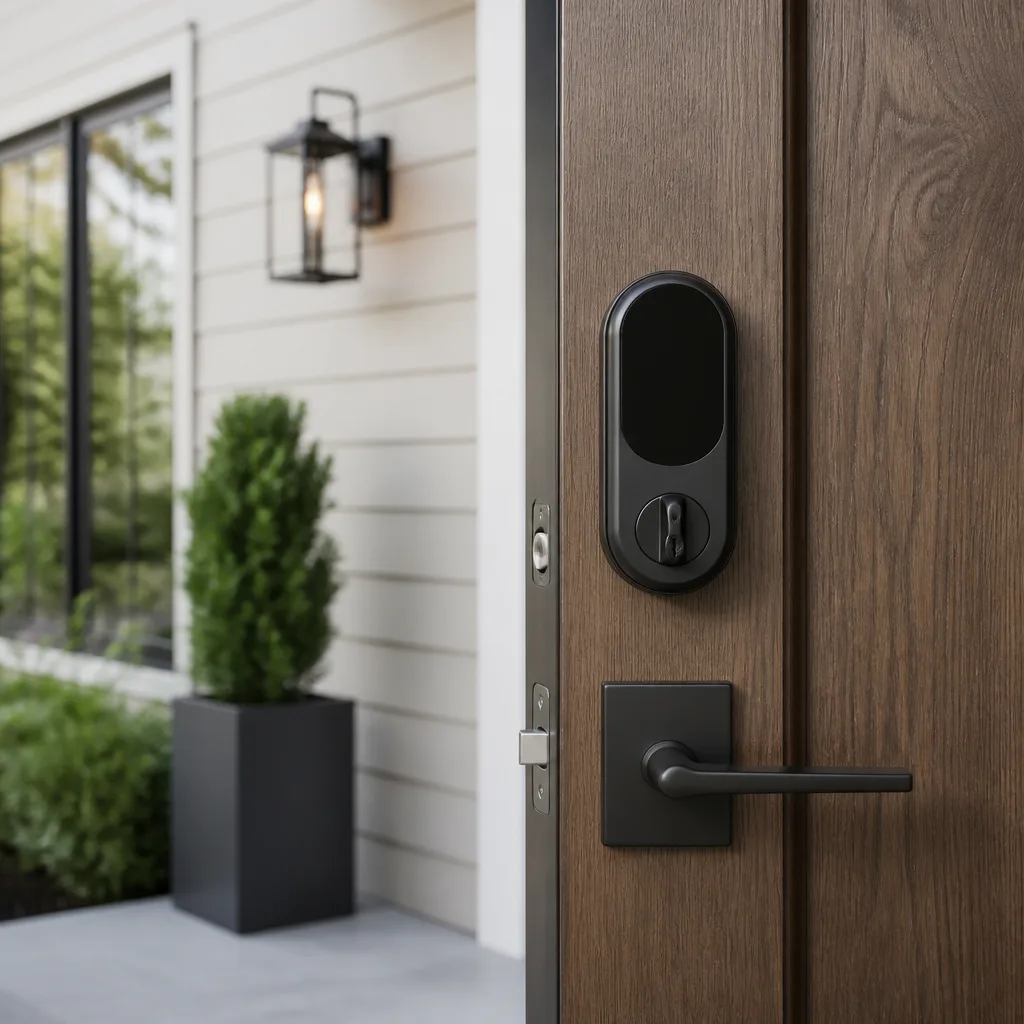 Smart locks
 House lockouts
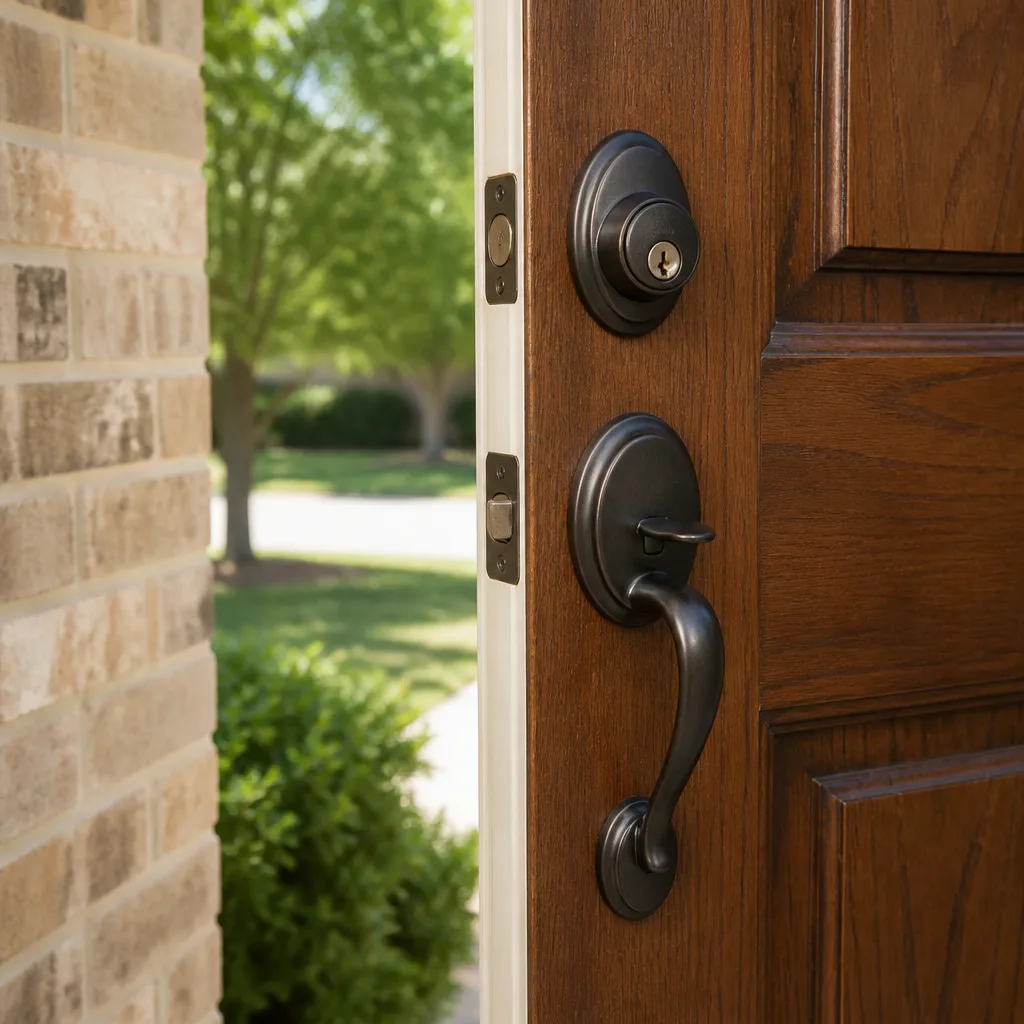
 Re-keying
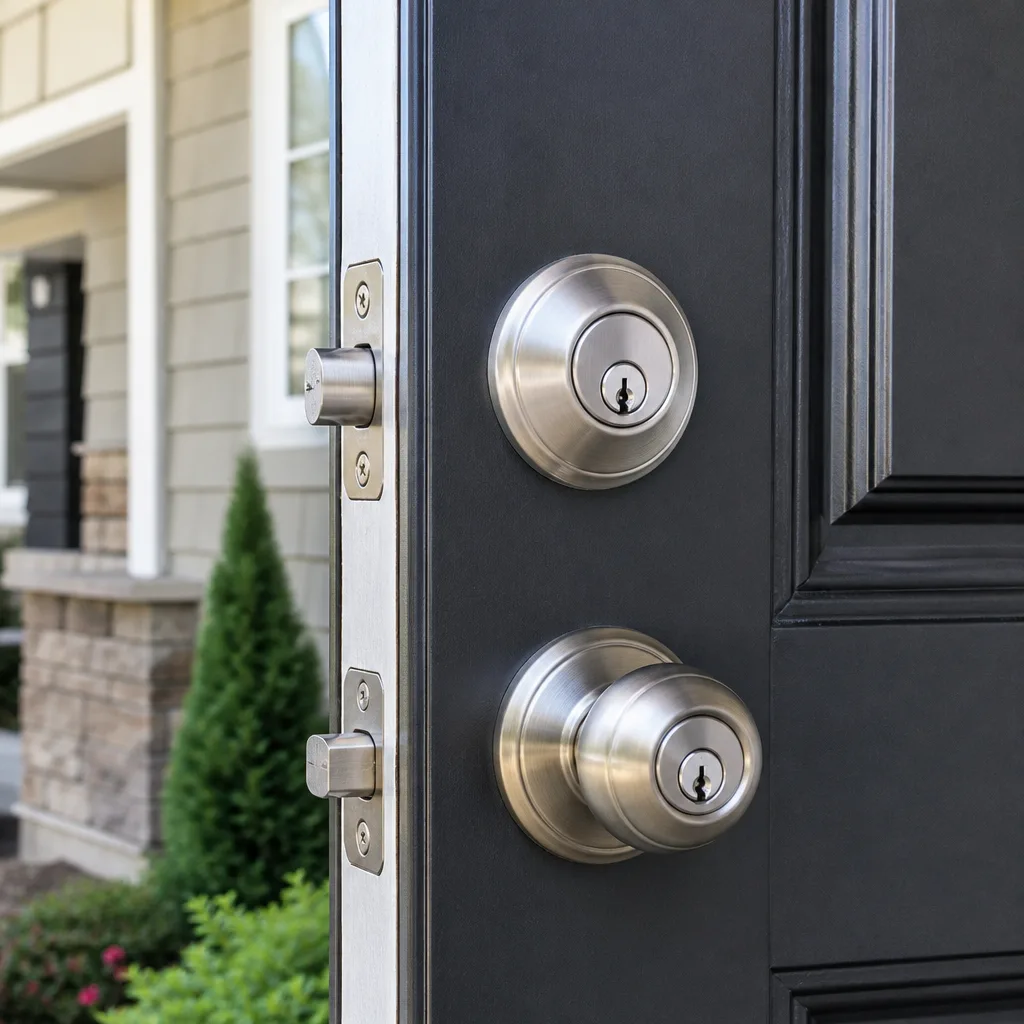
 Deadbolt upgrades
 Schlage
 Kwikset
 Car keys & fobs
Non-destructive entry first, always - and we re-key Schlage, Kwikset, and Baldwin locks on the spot while you watch
You get a price before we start. It does not change when we arrive. No surprises.
Get your free estimateLocksmith Permits, Codes & Inspections in DC: What You Need to Know
Most people don’t think twice about calling a locksmith until they’re locked out or moving into a new place. But here’s what surprises many Washington, D.C. homeowners and landlords: some locksmith work you’d assume is a simple swap can actually trip a building code or permit requirement, especially in historic districts or multi-unit buildings. Security hardware isn’t just a piece of metal bolted to a door. It’s part of the building envelope, and in D.C., the regulations treat it that way. This guide walks through what actually needs a permit, what doesn’t, and how to avoid creating a headache for yourself when you sell, file an insurance claim, or get inspected. For Locksmith Warning Signs: A Washington, D.C. Homeowner’s Reference Guide, see our related resource. Knowing this before you upgrade a deadbolt or install access control can save you thousands and keep your security upgrade legal.
Styles & brands we work with
Quick Answer
In Washington, D.C., standard locksmith work like rekeying, lock replacement of the same type, and car key cutting is exempt from permits. However, any work that alters the door frame, modifies fire-rated openings, installs wired access control systems, or changes egress hardware in multi-unit buildings may require DCRA review or approval. Historic properties in designated districts face additional oversight from the D.C. Historic Preservation Office. Before scheduling any security hardware upgrade, confirm both permit status and whether your door is in a landmark or contributing building.
Table of Contents
- Which Locksmith Jobs Are Permit-Exempt in D.C.
- Which Jobs May Require DCRA Review
- Historic District Rules: What the HPO Actually Controls
- Lock-in-Kind Replacement: The Legal Line You Need to Know
- Condo and Multi-Unit: HOA Bylaws, Egress Codes, and Landlord Obligations
- Documenting Locksmith Work for Insurance and Resale
- Common Mistakes to Avoid
- When to Call a Professional
- Frequently Asked Questions
- The Bottom Line
Which Locksmith Jobs Are Permit-Exempt in D.C.
The good news is that the majority of what a residential locksmith does in Washington, D.C. requires no permit at all. For year-round upkeep tips, see our Seasonal Locksmith Care for Washington, D.C.: Year-Round Homeowner’s Guide. DCRA (the Department of Consumer and Regulatory Affairs) treats routine lock service as ordinary maintenance, not construction. Here’s what’s typically exempt:
- Rekeying existing locks – no permit. This is the most common service we handle. The lock body, cylinder, and door frame remain unchanged. You’re swapping internal pins, not the hardware itself.
- Key duplication – no permit. Including automotive transponder keys and high-security blanks from brands like Medeco and Mul-T-Lock when the customer is the registered owner.
- Lock replacement in kind – no permit. Replacing a worn Kwikset deadbolt with a new Kwikset deadbolt of the same function and footprint. The mortise pocket, faceplate, and strike plate stay as they were.
- Door closer adjustment – no permit. Adjusting the speed and latching force on an existing closer.
- Car key replacement and programming – no permit. This falls outside building codes entirely, handled as automotive service.
In our experience, roughly 80 to 90 percent of residential calls we get in D.C. fall squarely into this category. A rental turnover in Shaw or Petworth that just needs rekeying? Permit-exempt. A homeowner in Brookland replacing a failing Schlage deadbolt with the same style? Permit-exempt. The line only shifts when the work begins to alter the door itself or the building’s fire and egress systems.
Which Jobs May Require DCRA Review
Once the work goes beyond replacing hardware in kind, D.C. starts treating it as a building modification. These are the jobs where you should check before the drill comes out:
- Door frame alteration. Widening a mortise pocket to fit a larger lock body, boring new cross-bores, or cutting the frame to accept a new strike plate is structural work. In multi-unit residential buildings, this can require a DCRA building permit because it modifies a fire-rated assembly.
- Installing a new deadbolt where none existed. Adding a second lock to a door that only had a knob or lever means boring a new hole through the door. On fire-rated doors in condo and apartment buildings, that new hole can break the fire rating. DCRA may require an inspection.
- Converting mechanical locks to electronic access control. Running low-voltage wire through walls, installing a power supply, and mounting a card reader changes the door from mechanical to electrical. D.C. building code treats wired access control as an electrical system requiring a permit for the low-voltage wiring, plus compliance with fire alarm and egress integration.
- Modifying panic bars or exit devices. Touch the crash bar on a commercial or multi-unit exit and you’re modifying life-safety hardware. That falls under D.C. fire code and requires a licensed professional who knows what they’re doing.
- Multi-unit master key system installation. In larger residential buildings, installing or reconfiguring a master key system can require board approval and, in some cases, a filed keying schedule with the building’s fire safety plan. D.C. housing code requires that first responders can access common areas in an emergency, so the keying system has to work with the fire department’s access plan.
The practical takeaway: if the word “boring,” “wire,” or “exit device” describes any part of the job, call DCRA or have your locksmith check first. We’ve seen condo boards reject entire projects because a contractor bored a hole through a fire-rated door without asking.
Historic District Rules: What the HPO Actually Controls
Washington, D.C. has 27 designated historic districts, covering neighborhoods like Capitol Hill, Georgetown, Dupont Circle, Shaw, and LeDroit Park, along with roughly 600 individually designated landmarks. If your rowhouse or building contributes to a historic district, the D.C. Historic Preservation Office (part of the Office of Planning) has a say in what happens to your exterior doors. And here’s what most people miss: the HPO cares about the hardware on those doors, not just the door itself.
For contributing properties, HPO review generally covers exterior doorsets: the door, the frame, the hinges, the lock, the deadbolt, the handle, and any visible plates. Installing a bright brass Baldwin mortise lock on a 1890s Capitol Hill rowhouse that originally had cast iron hardware can trigger review because it changes the building’s character. Installing a large modern keypad deadbolt on a Georgetown door might draw a violation notice if the historic review board considers it an incompatible alteration.
The rules are generally less strict for non-contributing buildings in historic districts and for interior doors. Interior locks and hardware typically fall outside HPO purview. But the moment you touch street-facing doors on a contributing property, the standard is compatibility: material, finish, scale, and overall appearance.
What does this mean in practice? If you’re in a historic district and want a high-security lock, choose a model that fits the door’s existing footprint and mimics the original finish. A satin nickel or aged bronze Mul-T-Lock deadbolt that drops into the existing mortise is far more likely to pass review than a flashy smart lock with a touchscreen. We’ve worked on Capitol Hill doors where the HPO specifically flagged a brass strike plate that was too large for the original frame. Small details matter. Checking with HPO before you buy saves money and prevents having to reverse work.
Lock-in-Kind Replacement: The Legal Line You Need to Know
This concept is the single most misunderstood aspect of D.C. locksmith regulations. “Lock in kind” means replacing a lock with one of the same type, function, and rough footprint. Same backset. Same bore diameter. Same latch style. The new lock fits the holes that are already there. Nothing structural changes, so no permit is required.
The confusion starts when a customer wants to upgrade. You have a standard Grade 3 Kwikset deadbolt and you want a Grade 1 Sargent mortise lock. That’s not lock-in-kind. A mortise lock requires a mortise pocket cut into the door edge. If the door doesn’t have one, you’re modifying the door. Function changes. So does the permit status.
Here’s the nuanced part most guides gloss over: upgrading from one cylindrical deadbolt to another cylindrical deadbolt of the same diameter is still lock-in-kind, even if the new one is higher security grade. A Medeco Maxum deadbolt and a Kwikset 660 deadbolt both use a 2⅛-inch cross bore and a 1-inch latch face. You can swap one for the other without structural change. It’s a smarter lock, same door. That upgrade is generally permit-exempt.
But upgrading from a cylindrical deadbolt to a mortise lock, or adding an additional deadbolt above the handle, or converting a single-cylinder deadbolt to a double-cylinder (which changes egress function and can violate egress codes in D.C. housing) – that’s where you leave lock-in-kind territory. When in doubt, we tell D.C. customers to photograph the existing lock, measure the backset, and ask whether the new hardware drops into the same holes. If the answer is no, you’re doing a modification, and it’s time to check codes.
Condo and Multi-Unit: HOA Bylaws, Egress Codes, and Landlord Obligations
Multi-unit buildings in Washington, D.C. have their own layer of rules, and they exist on top of DCRA and HPO requirements. If you own a condo, you probably hold title only to the interior of your unit. The entry door is often a limited common element, meaning the HOA or condo board controls what happens to it. Some boards restrict lock types to maintain master key override capability for emergency access. Some require board approval before any lock change. Some maintain a list of approved hardware finishes.
Before you rekey or replace a condo entry door lock, read your bylaws. We see this weekly: a unit owner installs a shiny new deadbolt, and the building manager can’t get in during a water leak because the master key no longer works. In the best case, it’s an awkward conversation. In the worst case, the board forces reversal at the owner’s expense and fines them.
D.C. housing code also imposes egress requirements. Any door that serves as a required exit from a dwelling unit must open from the inside without a key or special knowledge. That means double-cylinder deadbolts (the ones that need a key from both sides) are generally prohibited on unit entry doors in multi-family buildings if that door is the designated egress. They’re also prohibited on any door in a common path of travel. They slow evacuation in a fire. Landlords have a specific obligation here: D.C. law requires that rental units meet minimum security and egress standards. A landlord who installs a thumb-turn deadbolt that’s installed backward or a key-operated deadbolt on the inside of a rear exit door can be cited for a housing code violation.
For property managers and small landlords, the practical move is to stick with a single-cylinder deadbolt with an interior thumb turn on all unit entry doors, keep a keying schedule on file, and notify the board or management company before any rekey. The rekey service we provide in Washington, D.C. always includes verifying that the lock still operates correctly from the inside, which is a safety check most people never think about until a fire inspector brings it up.
Documenting Locksmith Work for Insurance and Resale
Insurance companies and home inspectors care about two things: whether the door was legally modified, and whether the hardware was installed to manufacturer specifications. When you sell a home in D.C., a buyer’s home inspector will look at every exterior door. If the inspector sees a deadbolt that was bored through a fire-rated door, or a lock that was forced into a mortise that doesn’t match, they’ll flag it. That flag can delay closing or become a seller concession.
Here’s how to document work so it never becomes a problem:
- Save the technical sheet from the lock manufacturer for every new lock installed. It proves the backset, bore size, and function match the door.
- If any permit was pulled, keep the permit and the final inspection approval. This applies mainly to frame modifications or access control work. A finaled permit is your insurance against a future buyer’s objection.
- Photograph the door inside and out before and after any hardware change. Ten seconds of phone photos now can save a lot of explaining later.
- Keep invoices from any licensed locksmith who performed the work. It demonstrates work was done by a professional, not a handyman, which matters if an insurance adjuster reviews a claim.
- For condo owners, keep a written approval from the board or management company for any lock change, even a rekey. One email is enough.
On the insurance side, the key issue is whether a door was modified in a way that invalidates the policy’s coverage. If you install a high-security lock and later file a claim for a break-in, the adjuster may ask whether the door was altered during installation. If the lock was installed in the same bore with no frame modification, you have nothing to worry about. If the frame was cut to accommodate a new strike plate and the work was never inspected, that can complicate a claim for door damage. Paperwork avoids all of it.
Common Mistakes to Avoid
- Boring through a fire-rated door without checking. In condos and apartment buildings, exterior unit doors are often fire-rated. A new hole for a deadbolt can void the rating. Before any boring, confirm the door’s rating and get approval if it’s a rated assembly.
- Installing a double-cylinder deadbolt on an egress door. This is a code violation on unit entry doors and common egress paths in D.C. housing. If you need extra security against a door with glass near the lock, talk to a professional about alternatives like a high-security single-cylinder deadbolt.
- Skipping HPO review on a historic rowhouse. If you’re in a historic district and the door faces the street, replacing visible hardware without checking can result in a violation notice from the Historic Preservation Office. The fines and reversal costs exceed whatever you saved by not asking.
- Assuming a smart lock is always a simple swap. If the smart lock requires a new bore or an adapter that doesn’t fit the existing hole, you may be doing a modification. Wireless smart locks that replace only the interior thumb turn are safer bets.
- Letting a handyman do commercial-grade hardware installation. Grade 1 mortise locks from Sargent or Abloy hardware require precise installation. A misaligned mortise pocket binds the mechanism, wears it out early, and can fail at the worst time. This is where brand-specific training matters.
- Ignoring condo board rules on keying. We’ve seen boards force owners to replace an entire corridor of locks because one owner changed their lock and broke the master key system. A 30-minute bylaw check saves thousands.
- Replacing a lock with a different footprint and calling it a replacement. Close enough isn’t lock-in-kind. If the new lock needs a new hole or a bigger faceplate, it’s a modification, with everything that entails.
When to Call a Professional
You should involve a professional locksmith in Washington, D.C. the moment the job involves anything beyond a straightforward rekey or key copy. That includes any installation on a fire-rated door, any work on a historic district exterior door, any access control wiring, any mortise lock installation or repair, and any work on a master key system in a multi-unit building. The same goes for automotive work: modern car keys involve transponder chips and programming that requires specialized equipment. A professional who is certified on the lock brands involved (Kwikset, Schlage, Medeco, Yale, Baldwin, Mul-T-Lock, Sargent, Abloy) will ensure the work is done to manufacturer spec, which is exactly what your inspection and insurance paperwork needs. If you’re unsure whether a job requires a permit, a good locksmith will tell you before any work starts. Coral Locksmith offers free estimates in Washington, D.C. for security hardware consultations. Call (855) 382-1343 to speak with someone who can assess your door and your code exposure.
Frequently Asked Questions
No. Rekeying changes the internal pins or wafer configuration of an existing lock, leaving the door, frame, and hardware physically unchanged. It’s considered routine maintenance and is permit-exempt throughout D.C. If you want a professional rekey, our rekeying service in Washington, D.C. covers all eight major lock brands we’re certified on, from Kwikset to Medeco.
Not if the work is done in kind and to manufacturer spec. Insurance concerns arise when a door is structurally modified (new bore, altered frame, changed fire rating) without a permit or inspection. Document the installation with an invoice and photos, and keep the manufacturer’s technical sheet for the new lock. If the job was a same-footprint swap, you have no exposure.
On an interior door, yes. On a street-facing exterior door of a contributing rowhouse, no. The D.C. Historic Preservation Office reviews visible door hardware changes on contributing properties for compatibility of material, finish, and scale. Check with HPO before buying, or choose hardware that drops into the existing footprint and matches the original finish.
A lock change replaces hardware with something that fits the same holes and performs the same function. A lock modification alters the door, frame, or opening: boring new holes, widening a mortise pocket, cutting the frame for a new strike, or changing the lock’s function. Modifications can trigger DCRA review and, on fire-rated doors, require inspection.
No. Automotive lock and key work is unrelated to building codes and requires no permit. At Coral Locksmith, car key replacement in Washington, D.C. is a dedicated service, not an afterthought, and covers transponder programming for most major makes without a dealership markup.
Work with the board, not against it. Many D.C. condo declarations control the entry door as a limited common element and require board approval for any lock change because the building needs emergency access via master key. Submit a written request, specify that you want a lock that accepts the building’s master key, and get the approval in writing before any work happens. If you’re locked out and the board is dragging its feet, our emergency locksmith service in Washington, D.C. can help with non-destructive entry and advise on next steps.
The Bottom Line
Most locksmith work in Washington, D.C. is permit-exempt: rekeying, key duplication, and lock-in-kind replacement. The risk lives in the edges: frame modifications, fire-rated door alterations, access control wiring, double-cylinder deadbolts on egress doors, and visible hardware changes on historic rowhouses. Do the 10-minute check before upgrading. Confirm your door’s fire rating, your condo bylaw restrictions, and your historic district status. Document everything. Use a professional certified on the specific lock brand you’re installing. Get the work done right the first time, and your security upgrade is exactly that: an upgrade, not a liability. For questions about lock work in Washington, D.C., the team at Coral Locksmith home is available at (855) 382-1343. Free estimates, honest answers, and hardware installed to spec, every time.
Written by the team at Coral Locksmith, serving Washington, D.C. since 2018.