Last updated October 30, 2026
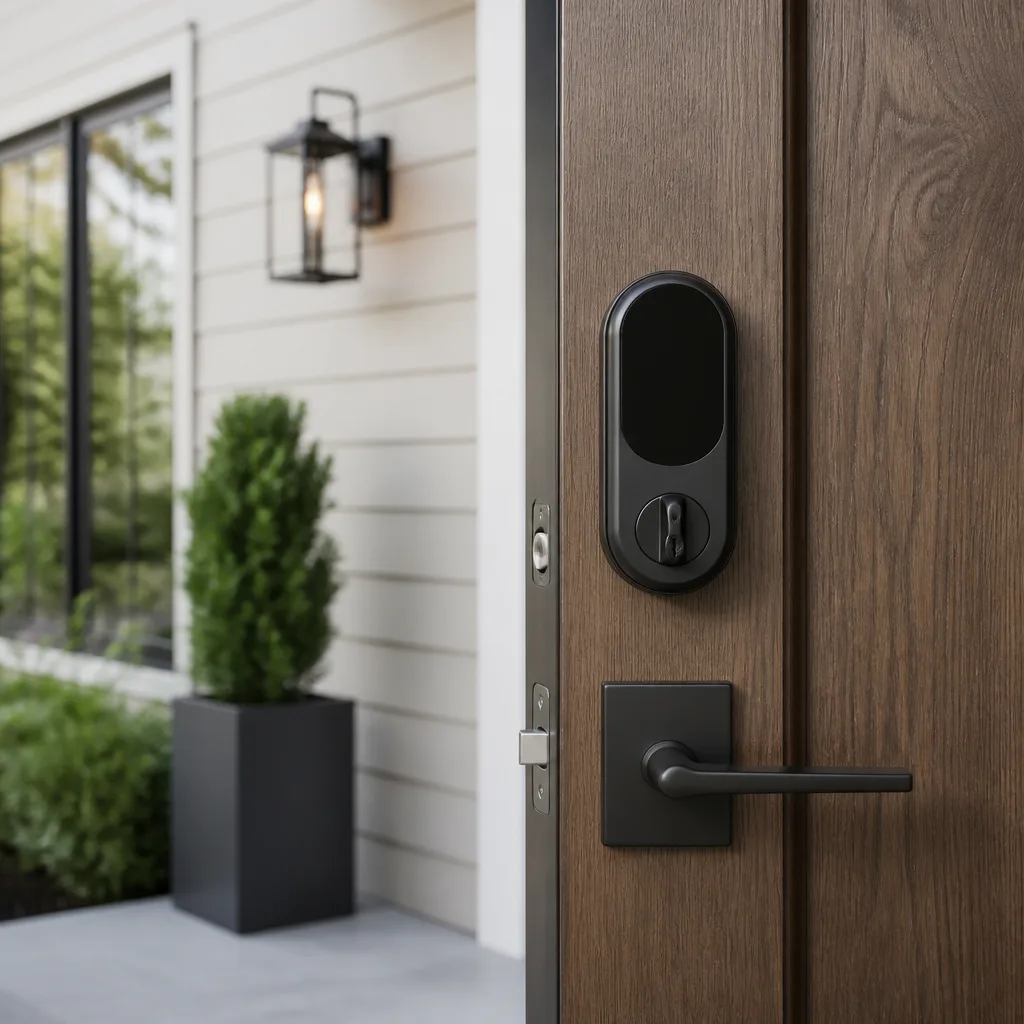 Smart locks
 House lockouts
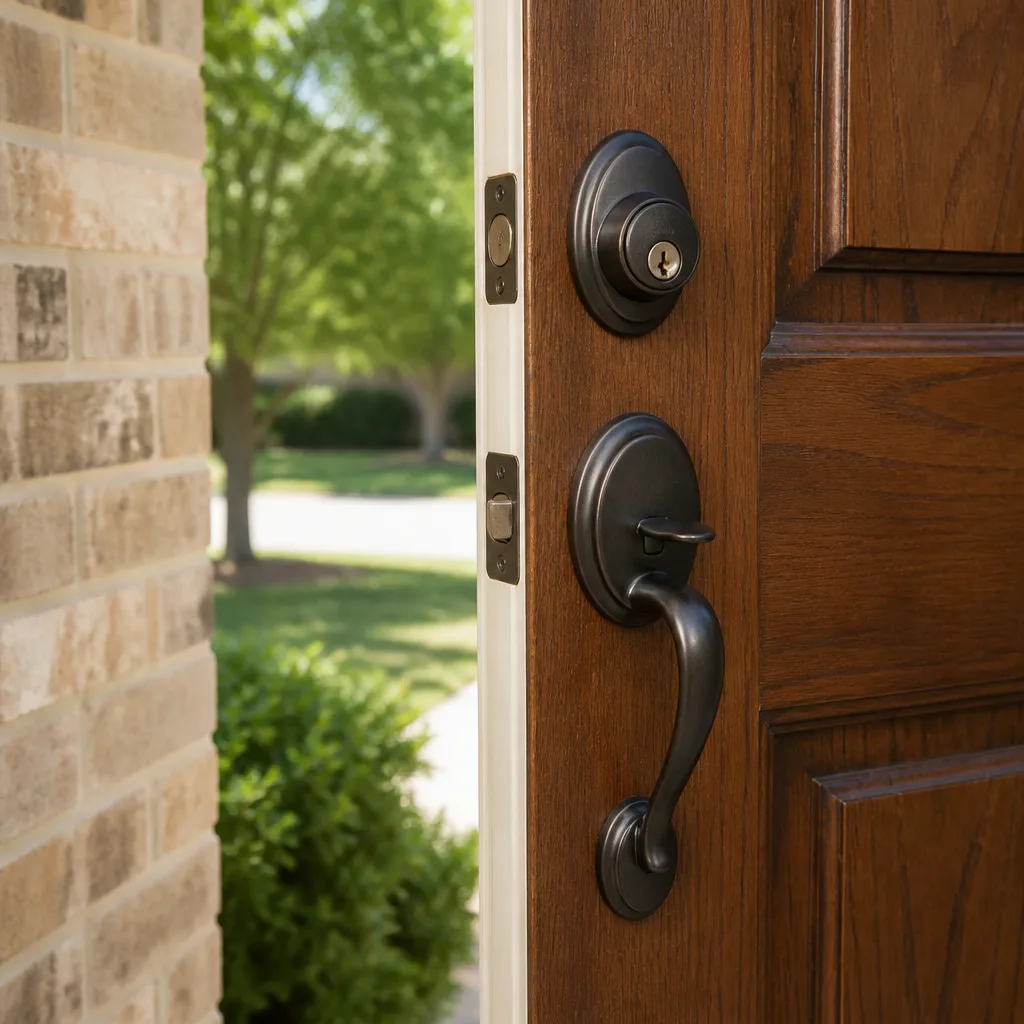
 Re-keying
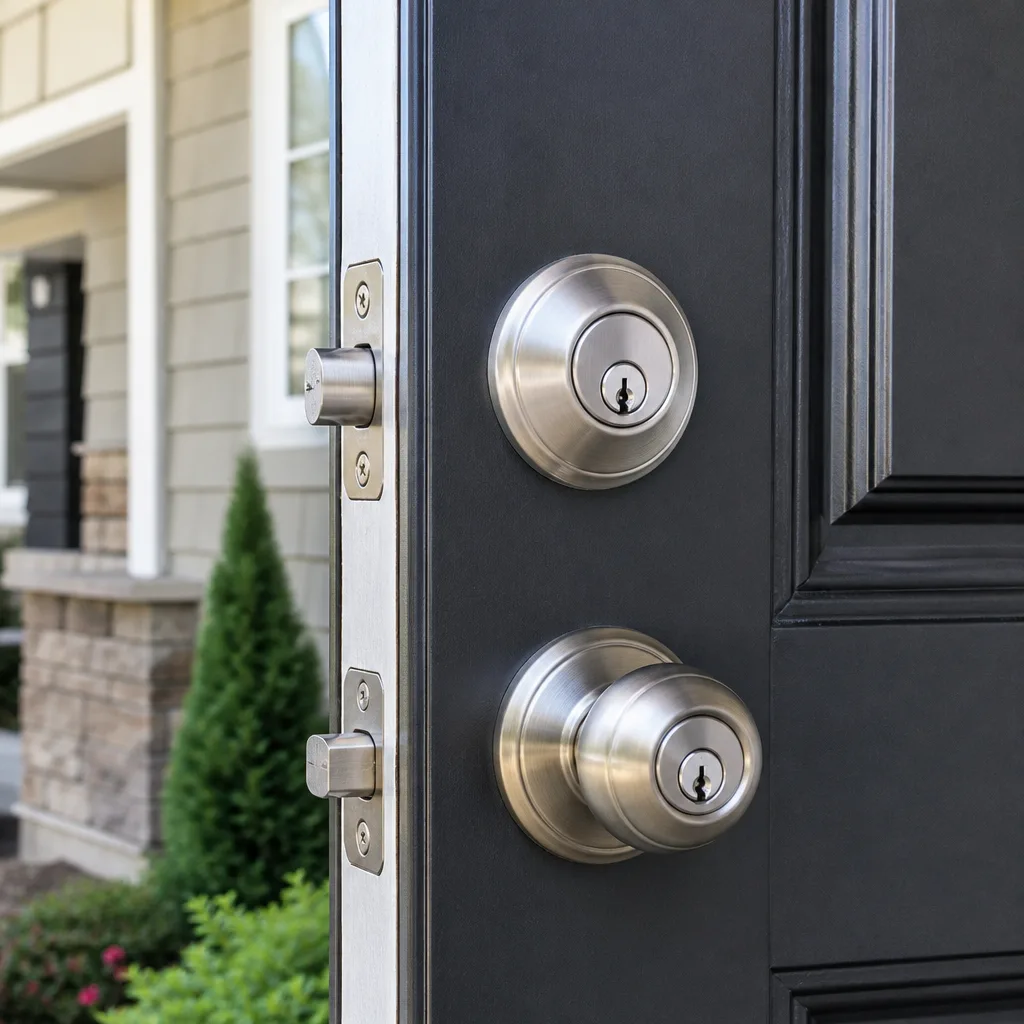
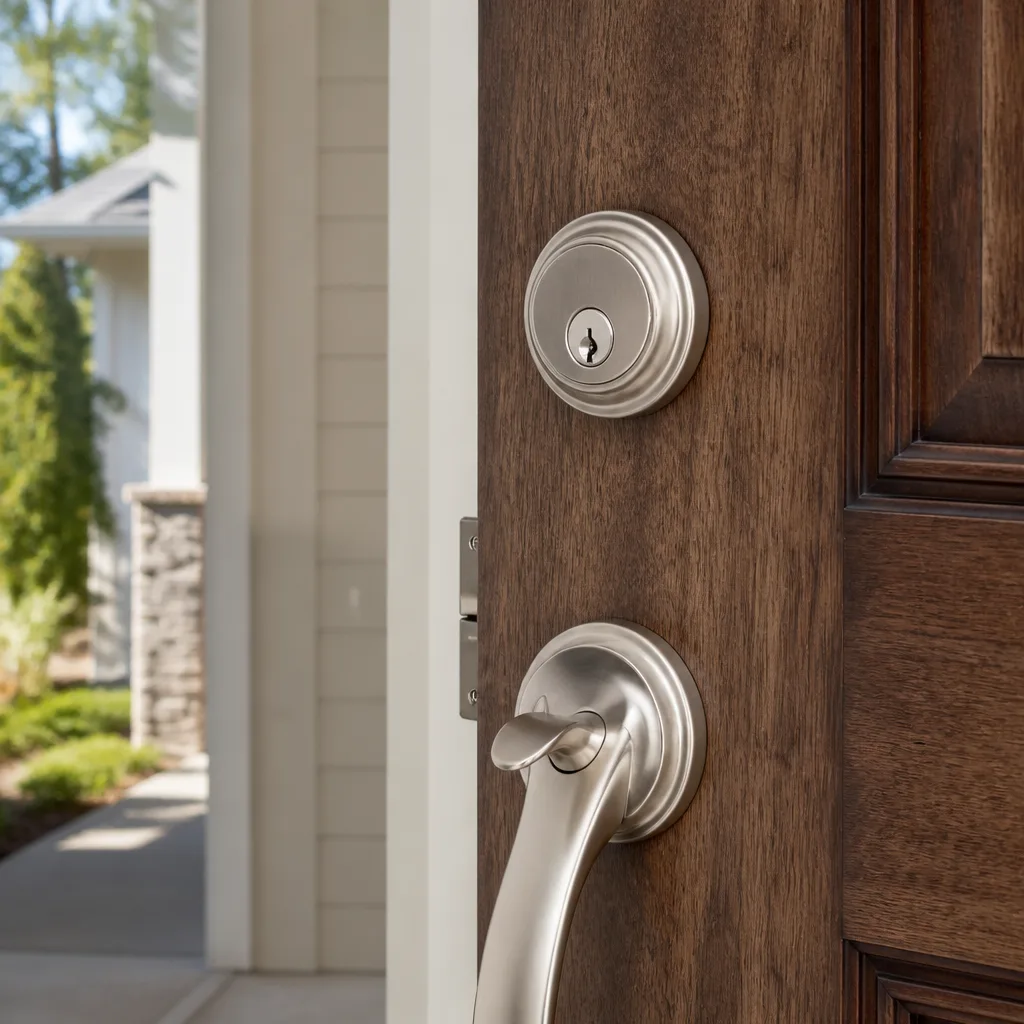 Deadbolt upgrades
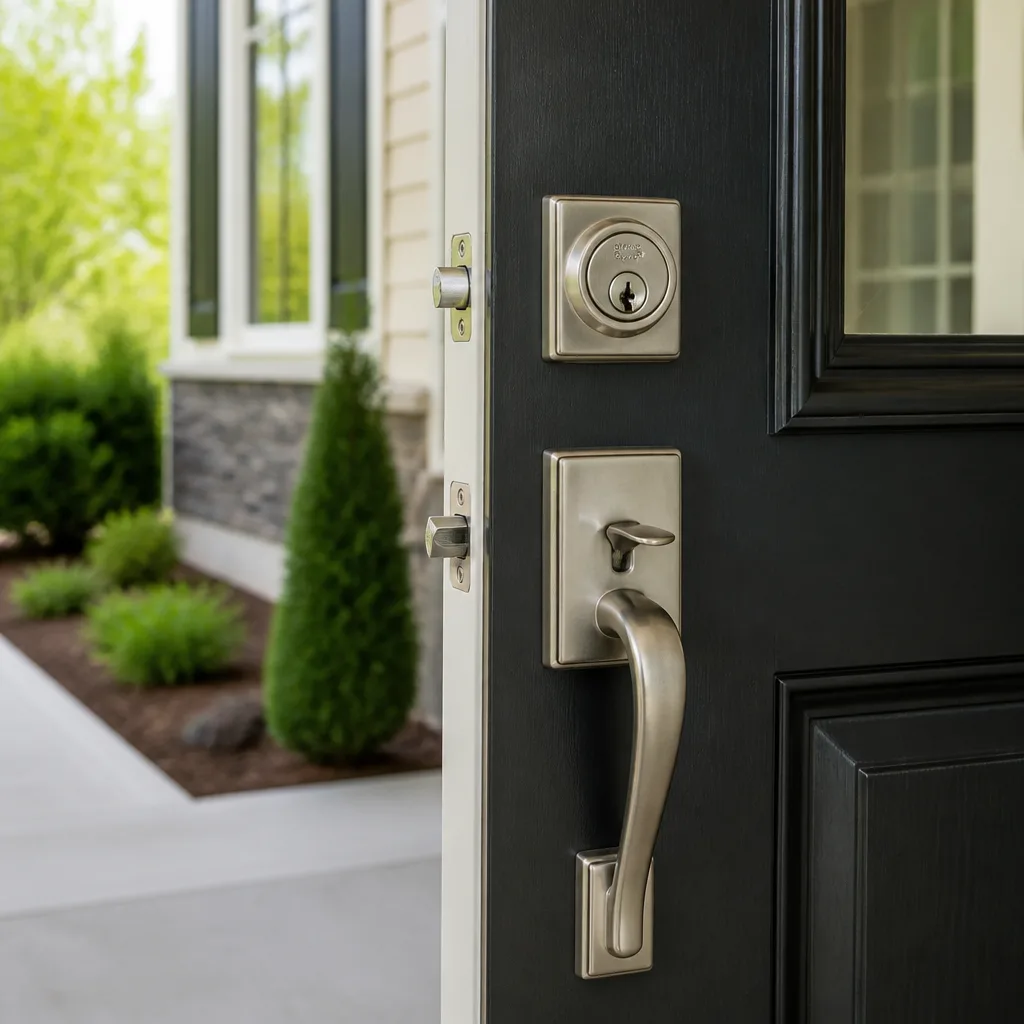 Schlage
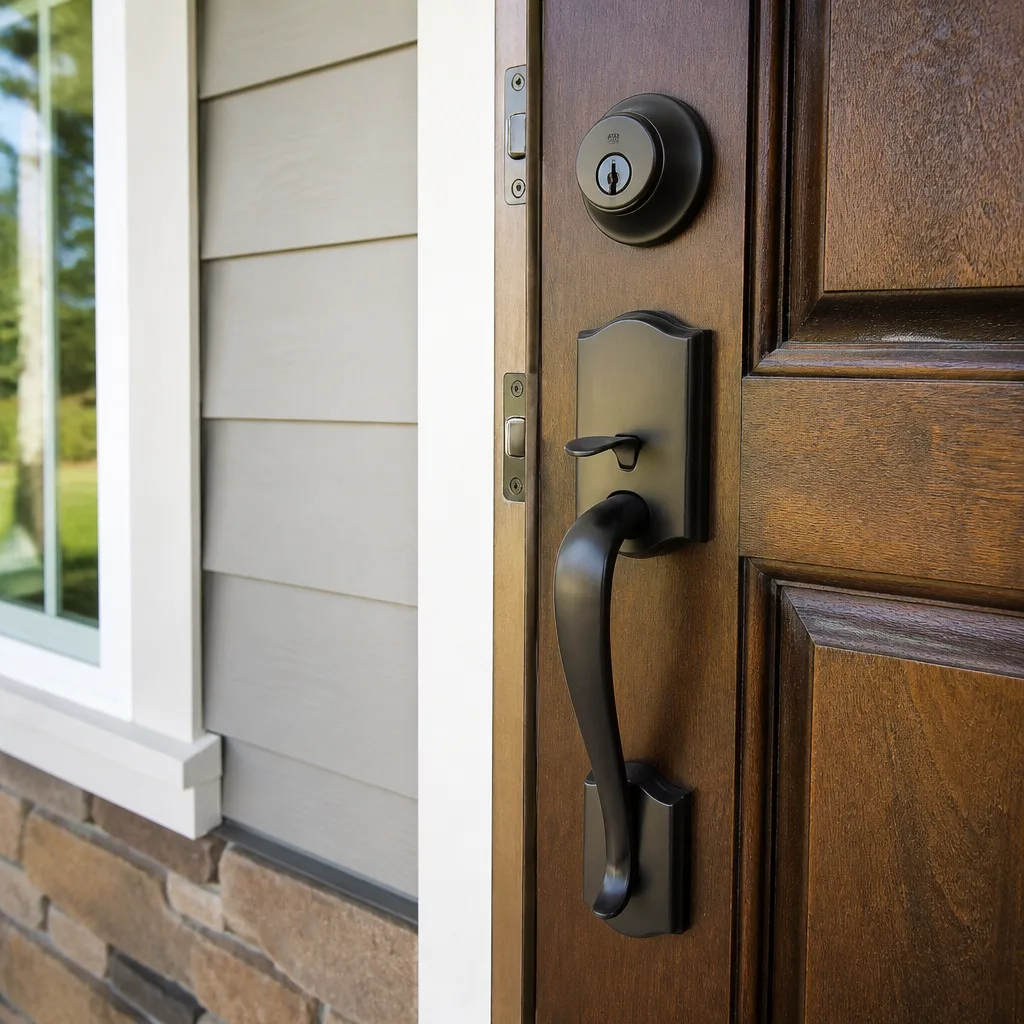 Kwikset
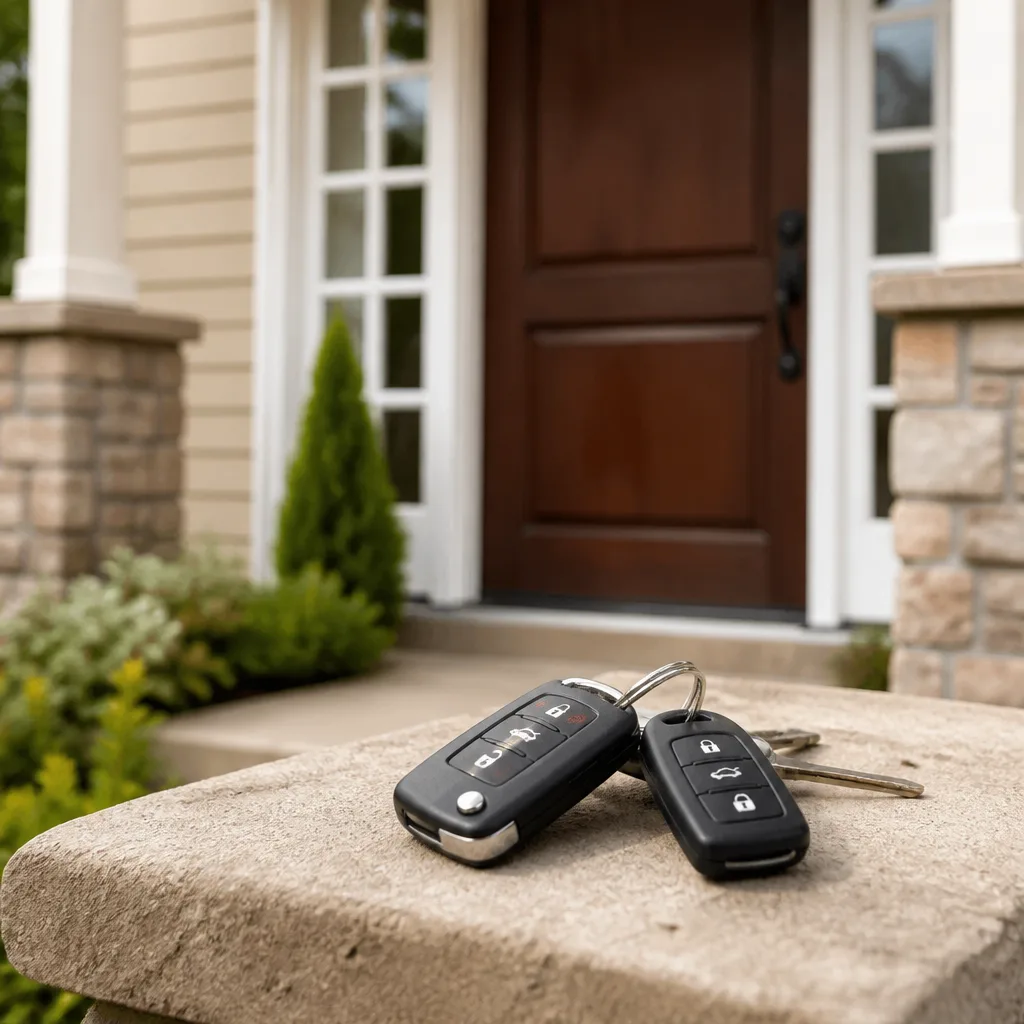 Car keys & fobs
Non-destructive entry first, always - and we re-key Schlage, Kwikset, and Baldwin locks on the spot while you watch
You get a price before we start. It does not change when we arrive. No surprises.
Get your free estimateLocksmith Emergency Preparedness Guide for Washington, D.C. Homes
After a break-in, the average Washington, D.C. homeowner spends 45 minutes searching for a reputable locksmith while standing in a compromised property. That is 45 minutes of heightened vulnerability, with a door that won’t lock and a phone full of unfamiliar search results. The fix is not complicated: a five-minute prep exercise completed once, before anything goes wrong, eliminates nearly all of that wasted time. This guide gives you the exact plan to build now, so that a lock emergency in Washington, D.C. feels like a solvable problem instead of a crisis, and points you to more guides & resources for ongoing home security. You will learn what to document in advance, how to respond to a break-in in the first hour, how to prevent lockouts in D.C.-specific housing types, and how to vet a locksmith at 2 a.m. in under 90 seconds.
Styles & brands we work with
Quick Answer
Emergency locksmith preparedness for Washington, D.C. homes means building a one-page “locksmith preparedness card” with your trusted locksmith’s number, your DCRA license verification, your spare key location, and your building super’s contact, then storing it where you can access it fast. In a lockout or break-in, you follow a documented sequence: secure or photograph the scene, call the pre-vetted locksmith, and confirm the price before dispatch. Preparation converts a high-stress, time-sensitive event into a calm, 10-minute phone call.
Table of Contents
- The Locksmith Preparedness Card: What to Document Before You Need It
- Break-In Response: The First 60 Minutes in Washington, D.C.
- Lockout Prevention for D.C. Property Types: Rowhouses, Condos, and Cars
- How to Vet an Emergency Locksmith at 2 A.M. in Under 90 Seconds
- Post-Emergency Follow-Up: When You Need a Security Audit, Not Just a Lock Change
- Understanding DCRA Licensing and Why It Matters in an Emergency
- Common Mistakes to Avoid
- When to Call a Professional
- Frequently Asked Questions
- The Bottom Line
The Locksmith Preparedness Card: What to Document Before You Need It
Every Washington, D.C. household should have a single index card, a saved note on a phone, or a printed sheet tucked inside a kitchen drawer with five pieces of information. This is the document that turns a midnight lockout from a scramble into a routine call. In our experience, the households that recover fastest from lock emergencies are the ones that never have to search for a number at all.
Here is exactly what belongs on the card:
- Trusted locksmith contact: The name and phone number of a locksmith you have already researched and, ideally, used once for a non-emergency job like a rekey. Write down the number. Do not rely on memory. Call (855) 382-1343 for Coral Locksmith in Washington, D.C. and save it before you need it.
- DCRA license number: Washington, D.C. requires locksmiths to hold a license issued by the Department of Consumer and Regulatory Affairs (DCRA). Write this number on your card after you confirm it. In an emergency, you want it already verified, not something you’re checking while standing outside your own door.
- Spare key location: Where exactly is the spare key? With a neighbor in unit 4B? In a coded lockbox on the rear gate? At your sister’s house in Petworth? Be precise. “Spare key with Sarah” is not enough. “Spare key in Sarah’s kitchen drawer, 14th St NW” is.
- Building super or property manager contact: For condo and co-op residents, this is essential. Your super may hold a master key or have access to building-level lock systems. Document their name and after-hours number.
- Insurance or landlord procedures: If you rent, note whether your landlord requires you to call a specific locksmith or reimburse you after the fact. If you own, note your homeowner’s insurance policy number for break-in claims.
Store this card in at least two places: a physical copy at home and a digital copy on your phone, ideally in a note app that syncs to the cloud so you can pull it up even if your phone is dead and you need to borrow a neighbor’s. The card takes five minutes to create, and it eliminates the 45-minute search window entirely.
We also recommend reviewing the card twice a year. Set a calendar reminder for when you change clocks in the spring and fall. If your spare key location changed, your super was replaced, or you moved, update the card. An outdated card is only marginally better than no card.
Break-In Response: The First 60 Minutes in Washington, D.C.
A break-in is different from a lockout in one critical way: you are dealing with a crime scene, not just a mechanical failure. The first hour after you discover a break-in determines how well your insurance claim goes and how thoroughly your home gets re-secured. Here is the sequence to follow, in order.
- Do not enter the property if you suspect the intruder may still be inside. Back away, leave the building, and call 911 from a safe location. Your safety comes before any lock or door.
- If the property is clear, photograph everything before touching anything. The front door, the jamb, the lock cylinder, the strike plate, any damaged windows, displaced items. Your insurance company will ask for these photos. The moment you start handling hardware, you compromise the visual record.
- Call your pre-vetted locksmith. This is where the preparedness card pays off. You are not searching. You are calling the number you already saved. Tell the locksmith you have had a break-in and need both an emergency re-secure and a written security assessment for your insurance claim.
- Request temporary securing even if you plan a full hardware replacement later. A broken jamb can often be braced the same night, letting you stay in the home safely. The full repair can follow.
- Ask for the security assessment in writing. Your insurer may ask what specifically failed, what was replaced, and what is recommended to prevent recurrence. A locksmith who can document the condition of the lock, the jamb, and the cylinder provides exactly what a claims adjuster needs.
- Call your insurance company. Most policies require prompt notification. Have your photos and the locksmith’s assessment ready.
In Washington, D.C., many break-ins happen through forced entry at the front door or a ground-floor window. We have seen repeatedly that the lock cylinder itself often survives intact while the strike plate or door jamb splinters. That is why a re-secure job often involves more than swapping a deadbolt. The hinge, the jamb, and the strike all need evaluation. A Kwikset or Schlage deadbolt is only as strong as the wood around it.
Do not post about the break-in on social media before your claim is filed. Do not throw away broken hardware. Keep everything as evidence and let your locksmith and insurer document it.
Lockout Prevention for D.C. Property Types: Rowhouses, Condos, and Cars
Washington, D.C. housing stock has a specific character, and lockout prevention looks different in a 1912 rowhouse on Capitol Hill than it does in a glassy condo tower in NoMa. The strategy has to fit the property type, or it won’t get used. We break down what works for each.
Rowhouses and single-family homes
Rowhouse front doors are often heavy wood with old hardware and a deadbolt that predates the current residents by decades. The single best lockout prevention tool for a rowhouse is a coded lockbox mounted on a rear gate, basement door, or utility closet. A combination lockbox holding a spare key eliminates the “I left my keys on the kitchen counter” problem permanently. Choose a shackle-style lockbox from a brand you recognize, and mount it somewhere not visible from the street. The code should be changed after any visitor or contractor uses it.
We also recommend upgrading aged deadbolts and entry hardware in D.C. rowhouses before they fail. Older Yale and Baldwin entry sets can develop worn cylinders that simply stop turning at the worst possible moment. A rekey or cylinder replacement now is cheaper than a forced-entry repair later.
Condos and co-ops
Condo residents in Washington, D.C. face two lockout layers: the building entry and the unit door. Your building fob or key card is the first line, and losing it often means a call to the front desk, the super, or a locksmith who can work with the building’s access system. For the unit door, many D.C. condos still use builder-grade Schlage or Kwikset hardware that is easy to rekey. Keep a spare unit key in your car, at your office, or with a trusted neighbor in the building. Never leave a spare key in the corridor, under a mat, or on the door frame.
If your building uses a fob system, ask the management office about their after-hours lockout procedure before you need it. Some buildings have a 24-hour concierge. Others do not, and a lost fob at 1 a.m. means a locksmith call. Know which scenario applies to you.
Car keys in the city
Washington, D.C. residents without garages face a particular challenge: there is no safe “at home” storage for a spare car key. The glove box is locked. The house key ring holds the only car key. When that key is lost or locked inside the vehicle, urban drivers need a Car Key Replacement in Washington, D.C. service that can cut and program a new key on-site. Spare car keys are best kept with a trusted family member or in a small home safe. For fob-based systems, know your car’s year and model when you call – it speeds up the process considerably.
How to Vet an Emergency Locksmith at 2 A.M. in Under 90 Seconds
At 2 a.m., standing outside your own front door, you do not have 20 minutes to research a locksmith. You have 90 seconds. Here is the three-point check—drawn from our Locksmith Warning Signs: A Washington, D.C. Homeowner’s Reference Guide—that separates a licensed professional from a fly-by-night operator who will overcharge you and do bad work.
- Confirm the DCRA license before dispatch. Ask the dispatcher: “What is your DCRA license number?” A legitimate Washington, D.C. locksmith will provide it without hesitation. You can also check the Department of Consumer and Regulatory Affairs website. If they dodge the question, hang up.
- Confirm the price on the phone, in full. Ask: “What is the total price for this job, including the service call, labor, and any parts you expect to use?” A professional will give you a real range or a flat quote. Anyone who says “we’ll see when we get there” or quotes only a suspiciously low number is setting you up for a bait-and-switch. At Coral Locksmith, the full price is quoted on the phone before anyone is dispatched, and that is the price on the invoice. There is no call-out surcharge added on arrival.
- Confirm they can handle your specific hardware. Say the brand name on your lock: “This is a Medeco deadbolt” or “This is a Baldwin entry set.” A real locksmith will respond with recognition, not confusion. If the person on the phone does not know what a Medeco is, they should not be touching your door. You want someone fluent in the hardware already installed on your Washington, D.C. home.
Ninety seconds is enough. License. Price. Hardware literacy. If all three check out, you are dealing with a professional. If any one of them fails, call the next number on your preparedness card. Having a pre-vetted locksmith stored in advance means you may never need this 90-second test at all, because you already did the vetting at a calm moment.
We also recommend checking the vehicle. A professional locksmith arrives in a marked van with business identification. Ask for the technician’s name before they arrive. You should know who is coming to your door at night.
Post-Emergency Follow-Up: When You Need a Security Audit, Not Just a Lock Change
After a break-in or a serious lock failure, the instinct is to replace the broken part and move on. But a lock emergency often reveals deeper vulnerabilities that a single hardware swap will not address. Knowing when to request a full security audit, rather than just a rekey or cylinder replacement, is part of smart preparedness.
Here are the situations that should trigger a full walk-through audit of your Washington, D.C. property:
- A break-in where the door jamb splintered. The lock was not the only point of failure. The jamb, strike plate, and hinge hardware all need evaluation. Replacing a deadbolt on a weak jamb is like putting a new lock on a door made of cardboard.
- A lockout caused by a key that snapped off in the cylinder. This often signals a worn cylinder that was about to fail completely. The repair should include inspecting every entry point, not just the door where the key broke.
- A lost key that cannot be accounted for. If a key went missing and you cannot confirm who has it, a rekey is the minimum. But if the lost key was part of a larger set or attached to identifying information, consider a full cylinder replacement or an upgrade to more restricted hardware. A Rekey Locks in Washington, D.C. service can often handle this in one visit.
- Repeated lockouts at the same door. If the same door keeps locking you out, something is mechanically wrong, not just human error. An audit finds the actual cause.
A proper security audit looks at every entry point: front door, rear door, basement door, ground-floor windows, garage access. It evaluates the cylinder grade, the strike plate strength, the jamb condition, and whether the hardware matches the property’s actual risk level. For many D.C. rowhouses, the original hardware is homeowner-grade Kwikset or Schlage that was never intended to be the sole barrier on a street-facing door. Upgrading to a Grade 1 deadbolt or a high-security system from Medeco or Mul-T-Lock is a meaningful step up that most big-box stores cannot install or service. A locksmith who works across those lines, from consumer to high-security, can recommend the right level without overselling.
Understanding DCRA Licensing and Why It Matters in an Emergency
Washington, D.C. is one of the jurisdictions that actively regulates locksmiths through the Department of Consumer and Regulatory Affairs, as detailed in our guide to Locksmith Permits, Codes & Inspections in DC: What You Need to Know. Locksmiths operating in the District are required to hold a DCRA-issued license. This matters for two reasons in an emergency.
First, it gives you a verification tool. When a locksmith arrives at your door at 2 a.m., you have the right to ask for their DCRA license number and verify it. A licensed locksmith will have no problem with this. An unlicensed operator is someone you should not let near your locks, your keys, or your security.
Second, licensing is your consumer protection backstop. If a licensed locksmith damages your door, overcharges you, or does substandard work, you have a formal complaint path through DCRA. With an unlicensed operator, you have almost no recourse. The person might be in another state by morning.
We recommend adding the DCRA locksmith license lookup page to your bookmarks, or simply noting on your preparedness card: “Coral Locksmith, DCRA-licensed, (855) 382-1343.” That way, the verification is already done. You are calling a known, checked, and documented professional instead of hoping the first search result is legitimate.
It is also worth understanding that DCRA licensing requirements exist because locksmith work involves access to people’s homes, businesses, and vehicles. The person holding your keys holds significant responsibility. In Washington, D.C., a city with dense residential buildings, a high number of rental units, and a constant churn of new residents, that responsibility is not theoretical. Any locksmith who treats it casually is not worth your call.
Common Mistakes to Avoid
- Searching for “locksmith near me” during the emergency instead of before it. The emergency is the worst moment to do research. You are rushed, stressed, and more likely to click on a paid ad from an unlicensed operator. Do the research now, and save the number.
- Paying before the job is done and inspected. Never hand over full payment until you have seen the work and tested the lock. A professional will not ask for payment before the lock functions properly.
- Ignoring DCRA licensing because “it’s an emergency.” The license check takes 60 seconds. It is the difference between a legitimate technician and a stranger with a drill. In Washington, D.C., unlicensed locksmith activity is a documented problem, not a hypothetical.
- Leaving a spare key in obvious places, especially in D.C. rowhouses. Under the mat, on the door frame, in the flowerpot, inside the gas meter box. These are the first places an intruder checks. A coded lockbox on a rear gate is better. A neighbor or a small home safe is better still.
- Replacing a broken lock without asking why it broke. A snapped key, a jammed cylinder, a loose deadbolt: these often signal an underlying problem. Swapping the visible part without diagnosing the cause means you will be back in the same situation in six months.
- Assuming all locksmiths handle all lock brands. Kwikset and Schlage are common enough. But when the lock is a Medeco, an Abloy, or a Mul-T-Lock, you need a locksmith with specific training and tools. Confirm hardware knowledge before dispatch, not after the technician arrives and tells you they can’t help.
- Not photographing break-in damage before touching anything. The first instinct after a break-in is to fix the door. But the insurance claim depends on documentation. Photograph first, always.
When to Call a Professional
Some lock situations are genuinely DIY-fixable. A loose screw on a strike plate. A key that needs a little graphite. But many are not, and the difference matters. Call a professional locksmith when: you are locked out and do not have a spare key you can access within 30 minutes; a key has snapped in the cylinder; the door was kicked in or the jamb is splintered; you need a rekey after moving into a new home or losing a key; the lock is a high-security brand like Medeco, Abloy, or Mul-T-Lock; or you are dealing with a car key replacement and do not want to pay dealership pricing. Coral Locksmith offers free estimates in Washington, D.C. Call (855) 382-1343 and describe the situation. The person on the phone will tell you what is possible, what it costs, and how quickly a technician can arrive.
Frequently Asked Questions
First, check whether a spare key is accessible within 30 minutes, via a neighbor, a coded lockbox, or a family member nearby. If not, call your pre-vetted locksmith. Waiting longer while trying to improvise entry usually causes damage that costs more than the locksmith call. Call (855) 382-1343 and explain the situation for a free estimate.
Emergency locksmith service in Washington, D.C. typically ranges from $75 to $175 for a standard lockout, with rekeying or hardware replacement adding to that based on the lock brand and the work required. The full price should be quoted on the phone before anyone is dispatched. At Coral Locksmith, the quote you receive over the phone is the price on the invoice. There is no call-out surcharge added on arrival.
Ask for the locksmith’s DCRA license number and confirm it on the Department of Consumer and Regulatory Affairs website. A licensed Washington, D.C. locksmith will provide the number without hesitation. If they refuse or deflect, end the call. This verification takes under a minute and should be done before the technician arrives.
A locksmith can often re-secure the door the same night, but the final repair depends on the damage. If the lock cylinder is intact but the jamb splintered, the repair involves the strike plate and door frame, not just the lock. A professional will assess the full entry point and give you a written security assessment for your insurance claim.
For many D.C. rowhouses, especially those on street-facing ground floors, upgrading to a high-security deadbolt from Medeco or Mul-T-Lock is a meaningful step up in drill resistance and key control. These brands use restricted keyways, meaning keys cannot be duplicated at a hardware store. The trade-off is that you need a locksmith with the specific training to install and service the hardware, which is not something every locksmith has.
Rekeying changes the internal pins so old keys no longer work, while keeping the existing hardware. Replacing means swapping the entire lock for new hardware. Rekeying is faster and less expensive when the existing lock is in good condition, which is why it is the right first option after moving into a new home or losing a key. Call (855) 382-1343 and a technician can tell you whether your hardware is worth rekeying or should be replaced.
The Bottom Line
A lock emergency in Washington, D.C. is manageable when you have a plan and a number already saved. The preparedness card, the break-in response sequence, and the 90-second vetting routine are not complicated. They take under an hour to set up, total, and they pay for themselves the first time you need them. Renter or owner, rowhouse or condo, the core principle is the same: do the thinking before the emergency, not during it. Save the Coral Locksmith number now at (855) 382-1343, and the next time your key turns the wrong way, you will know exactly what to do.
Written by the team at Coral Locksmith, serving Washington, D.C. since 2018.