Last updated October 30, 2026
 Smart locks
 House lockouts
 Re-keying
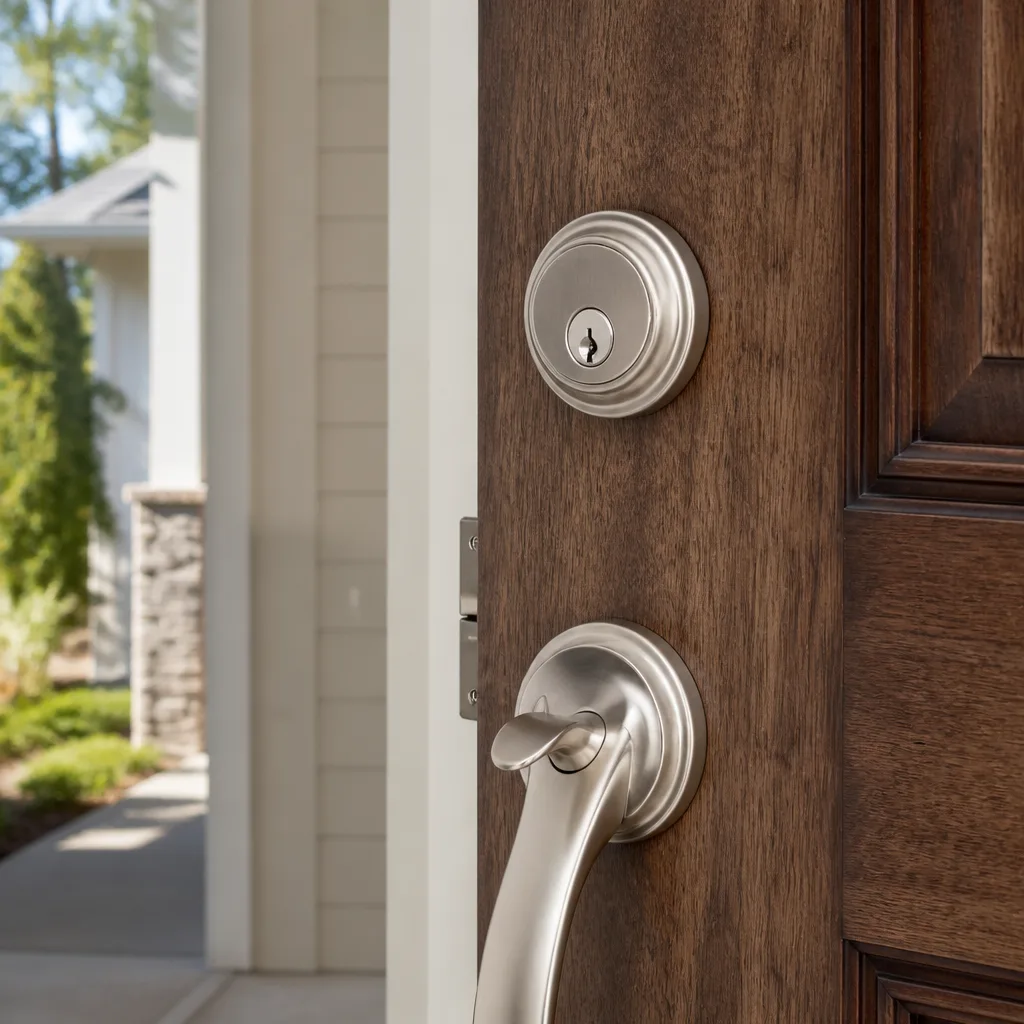 Deadbolt upgrades
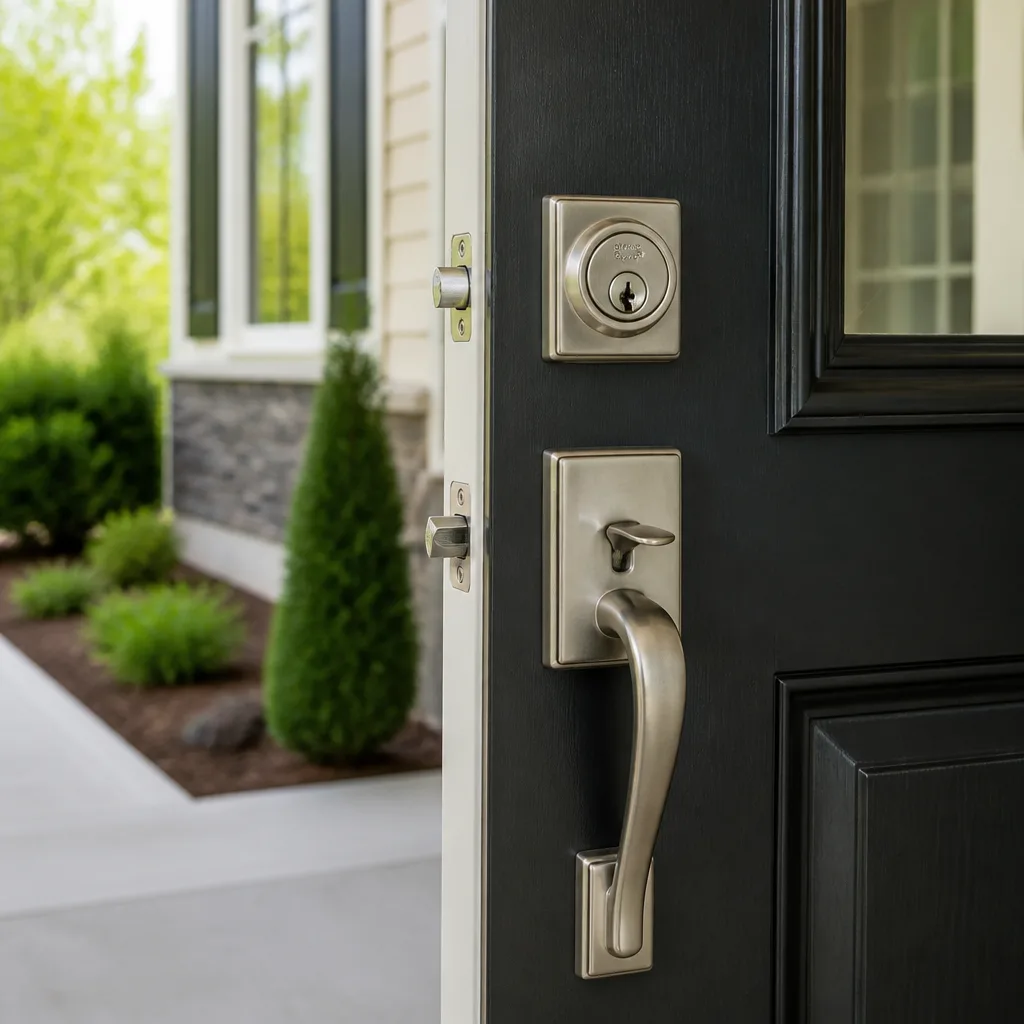 Schlage
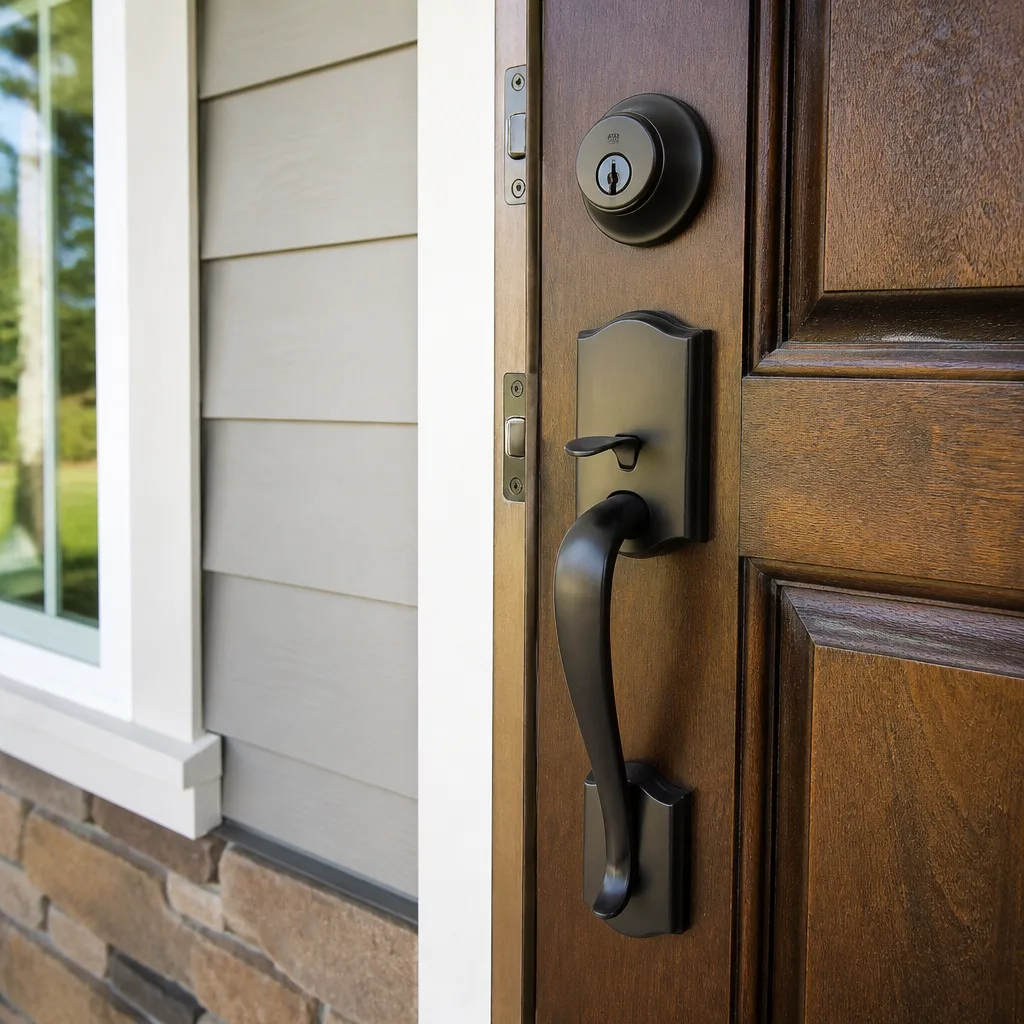 Kwikset
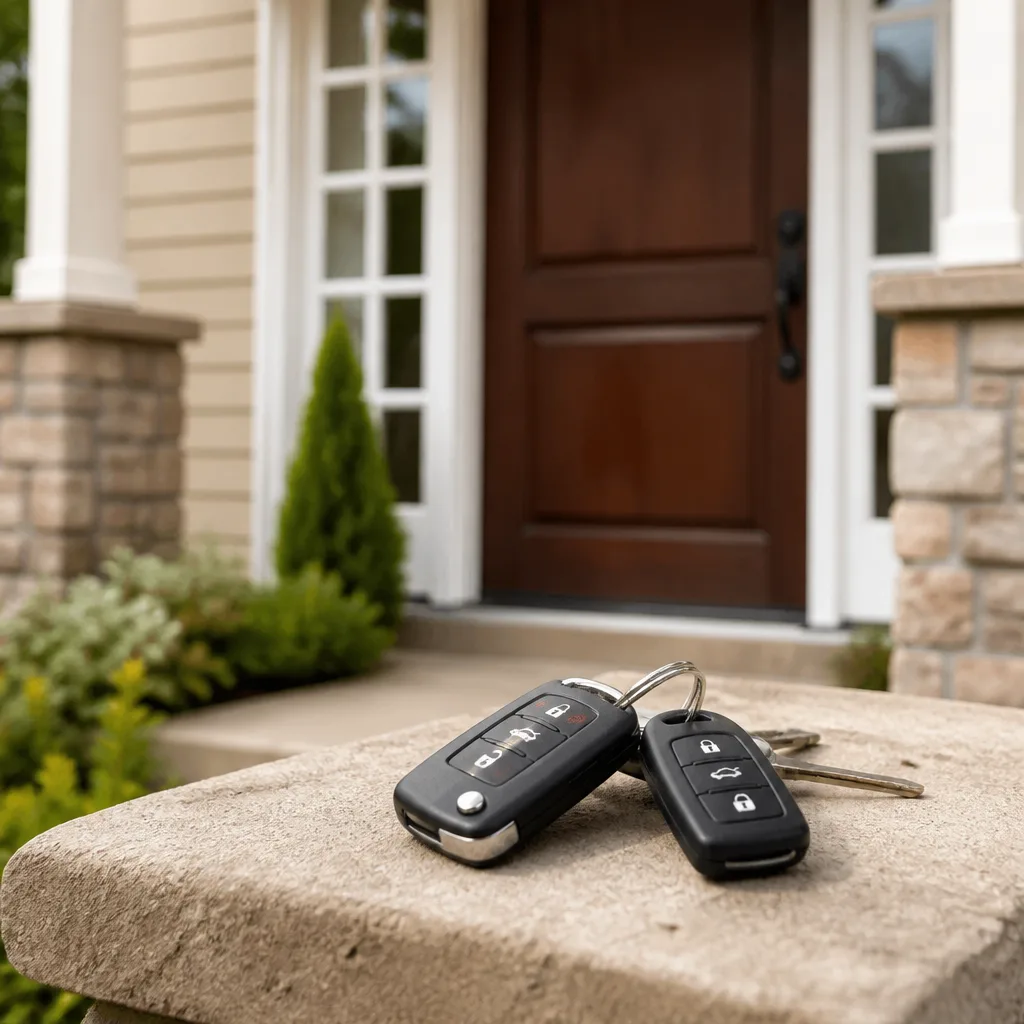 Car keys & fobs
Non-destructive entry first, always - and we re-key Schlage, Kwikset, and Baldwin locks on the spot while you watch
You get a price before we start. It does not change when we arrive. No surprises.
Get your free estimateDIY vs Professional Locksmith: The Washington, D.C. Homeowner’s Decision Guide
Replacing a deadbolt looks like a screwdriver job, and it is, until the strike plate alignment is off by 1/8 inch, the door warps in Washington, D.C.’s summer humidity, and what appeared to be a locked door can be shouldered open in under two seconds. This guide draws the line between locksmith tasks you can safely handle yourself and the ones where a mistake carries real consequence, from voided insurance claims to failed rental inspections to security gaps nobody sees until after a break-in. For related more guides & resources, see our blog. We’ll walk through the exact tools, the specific lock brands, the D.C. housing code requirements, and the honest math on what DIY failure actually costs.
Styles & brands we work with
Quick Answer
Most Washington, D.C. homeowners can safely handle three DIY locksmith tasks: rekeying a Kwikset SmartKey lock, changing a key fob battery, and lubricating a sticky door lock cylinder. Everything else, especially deadbolt installation, high-security hardware like Medeco or Mul-T-Lock, and any automotive key programming, belongs in a professional’s hands because the failure cost in D.C. outweighs the labor savings almost every time. If you’re unsure how to choose one, read our How to Hire a Locksmith Contractor in Washington, D.C.: A Step-by-Step Guide. Rekey, don’t replace, is the smart move when you move into a new home or lose a key, and that’s where a credentialed locksmith earns the call.
Table of Contents
- The DIY-Safe List: Three Tasks You Can Handle
- The Professional-Required List: What Actually Demands a Credentialed Hand
- Washington, D.C. Housing Code and the Legal Side of DIY Lock Work
- The Real Tool and Knowledge Threshold for Deadbolt Installation
- The Hidden Cost of DIY Failure
- Brand-by-Brand Reality Check: Kwikset, Schlage, Medeco, and Mul-T-Lock
- Common Mistakes to Avoid
- When to Call a Professional
- Frequently Asked Questions
- The Bottom Line
The DIY-Safe List: Three Tasks You Can Handle
Not every lock task needs a professional. In fact, a few are genuinely better learned than hired out, because they’re repeatable, low-stakes, and forgiving when you get them slightly wrong. In our experience across Washington, D.C., these three come up most often, and none of them put your home’s security or your D.C. rental standing at risk.
1. Rekeying a Kwikset SmartKey Lock
Kwikset’s SmartKey cylinder was designed for homeowner rekeying. You insert the current working key, turn it 90 degrees, insert the SmartKey tool into the small hole beside the keyway, remove the old key, insert the new key, and turn back. Done in under a minute. No disassembly, no pins, no springs. If you make a mistake, you still have a functioning lock, and you can repeat the process immediately. This is the one rekeying task we actively encourage D.C. homeowners to learn, especially landlords with quick tenant turnover in neighborhoods like Petworth or Columbia Heights.
2. Changing a Key Fob Battery
Car key fobs and proximity remotes eat batteries every two to three years. Most fobs split open with a small flathead screwdriver along the seam, exposing a standard CR2032 or CR2450 coin cell. Swap it out, snap the case back together, and you’re done. The risk is nearly zero, and the dealership would charge $20 to $50 for the same ninety-second job. If the fob stops working after a battery change, that’s when it’s time to call, because the issue is likely the transponder chip or the programming, not the power source.
3. Lubricating a Sticky Cylinder
When a key starts dragging or sticking in a deadbolt or doorknob, the fix is often a $6 can of dry graphite or PTFE lubricant. Squirt a short burst into the keyway, insert and remove the key several times to spread it through the pins, and wipe the key clean. Avoid oil-based products like WD-40, which attract dust and gum up the cylinder over time. If lubrication doesn’t resolve the stickiness within a day, the cylinder has a mechanical problem, worn pins, or a bent key, and that’s a professional diagnosis at that point.
For everything else, keep scrolling. The dividing line isn’t about intelligence or handiness. It’s about consequence.
The Professional-Required List: What Actually Demands a Credentialed Hand
Here’s the list where DIY stops being a weekend project and starts being a liability. Each one has a specific reason it belongs with a locksmith, and none of those reasons are about protecting our trade. They’re about physics, security ratings, and the cost of getting it wrong.
Installing High-Security Cylinders (Medeco, Abloy, Mul-T-Lock)
High-security hardware is not a drop-in upgrade. Medeco cylinders use angled cuts and rotating pins that require specialized cutting equipment for duplicate keys. Abloy uses a rotating disc mechanism that most local hardware stores cannot cut. Mul-T-Lock uses telescoping pin technology. Each of these systems requires factory-certified installation to maintain their security rating and their warranty. A cylinder that’s incorrectly installed, even by a millimeter, can bind, wear unevenly, or create a false set that leaves the door vulnerable. When a Washington, D.C. homeowner buys a Medeco or Mul-T-Lock cylinder, they’re paying for a security standard, and that standard only holds if the installation is done to factory spec.
Automotive Transponder Programming
Modern car keys, roughly anything built after 2000, contain a transponder chip that communicates with the vehicle’s immobilizer. Replacing a lost key isn’t just cutting a blank. It’s cutting the mechanical key, then programming the chip to the car’s ECM. That requires a diagnostic tool that costs thousands of dollars and, for many models, a security PIN or token from the manufacturer. Get the programming wrong and the car won’t start, and in some cases, the immobilizer locks out entirely, turning a $200 key replacement into a tow, a dealership visit, and a $500 to $1,200 bill. Our car key replacement service in Washington, D.C. handles this end to end, without the dealership markup.
Master Key Systems
A master key system, whether for a small apartment building or a D.C. rowhouse with multiple tenants, is a deliberate hierarchy of pins and master wafers. Each lock cylinder has to be built to a specific pinning chart that maps which keys open which doors. One extra master wafer, one pin placed in the wrong chamber, and suddenly a key opens doors it shouldn’t, or the master doesn’t work at all. This is the most common DIY failure we see in multi-unit D.C. properties, and the repair always costs more than the original installation would have.
Access Control Wiring Retrofits
Adding an electronic strike, a keypad, or a fob reader to a D.C. rowhouse or small office means running low-voltage wiring, often through door frames and walls, and integrating it with the existing power supply and egress hardware. Fire code compliance matters here, especially in multi-family buildings where electronic locks must fail open or allow egress without power. This is not a drill-and-hope scenario.
Washington, D.C. Housing Code and the Legal Side of DIY Lock Work
Here’s something most DIY guides completely miss: Washington, D.C. has housing regulations that make certain lock modifications a legal problem, not just a mechanical one. D.C. Municipal Regulations Title 14, which governs housing standards, requires that every dwelling unit have a working lock on each exterior door, and that the lock be operable from the inside without a key. That second part matters. Installing a double-cylinder deadbolt, the kind that requires a key from both sides, on a rental unit is a direct violation, because it traps occupants inside during a fire. Landlords who install them thinking they’re adding security are actually opening themselves to citations and liability.
For rental properties, the D.C. Tenant Opportunity to Purchase Act and standard lease agreements also restrict what a tenant can change without landlord consent. A tenant who swaps their own locks, even for a legitimate security concern, can be found in breach of lease if the landlord wasn’t notified. The correct move is a rekey, not a replacement. Our lock rekeying service handles exactly this, for tenants, landlords, and property managers across the District.
For homeowners in condos and co-ops, the governing documents often specify approved lock styles and finishes, especially on doors facing common hallways. A mismatched deadbolt can trigger a violation notice from the association. We see this regularly in buildings across Dupont Circle and Logan Circle, where architectural consistency is enforced.
The Real Tool and Knowledge Threshold for Deadbolt Installation
The deadbolt installation videos make it look like a twenty-minute job with a drill and a chisel. The reality is that a competent deadbolt installation in a Washington, D.C. door, especially an older rowhouse door that’s been painted six times and has settled out of square, requires more than enthusiasm. Here’s what it actually takes.
Tools You Need, and the Ones Most Homeowners Don’t Have
- A sharp 2-1/8-inch hole saw and 1-inch spade bit, ideally carbide-toothed for older doors with hardened paint and decades of grime.
- A door lock installation jig, not freehand drilling. Freehand is how bore holes end up misaligned by 1/16 inch, which turns into a 1/8-inch strike plate gap, which turns into a door that doesn’t lock.
- A router or sharp chisel set for mortising the strike plate and the latch face. A chisel that’s even slightly dull tears out wood instead of cutting it.
- A depth gauge or caliper for verifying the backset, the distance from the door edge to the center of the bore hole. Most D.C. doors are 2-3/8 or 2-3/4 inch. Guess wrong and the latch won’t line up.
- Long wood screws, at least 3 inches, for the strike plate. The #1 security failure in D.C. homes isn’t the lock. It’s the 3/4-inch screws that come in the box, which only anchor the strike plate to the jamb trim, letting a kick or shoulder blow open the door in seconds.
Knowledge Thresholds That Videos Don’t Teach
You need to know how to read a door’s reveal, the gap between the door edge and the frame. You need to understand what seasonal movement does in Washington, D.C.’s climate, where humid summers swell wood and dry winters shrink it, and how that affects latch alignment across the year. You need to know when a door needs hinge adjustment before a lock change, because a sagging door makes a perfectly installed deadbolt bind. And you need to know how to test the final install, not just visually, but by feel: the bolt should slide smoothly with no resistance at any point in the throw, and the strike plate should capture the bolt fully with no slop.
Most homeowners undershoot that bar. Not because they can’t learn it, but because learning it on your own front door means the mistakes are the curriculum, and the final grade is whether someone kicks your door open.
The Hidden Cost of DIY Failure
The math on DIY locksmith work is almost always framed as labor cost versus free. It’s the wrong framing. The real comparison is cost of doing it right once versus cost of doing it wrong, then fixing it. And in our experience in Washington, D.C., the second number is consistently higher.
A botched deadbolt installation often ends with an ovalized bore hole that won’t hold the faceplate, a strike plate mortise that’s been chiseled too deep, and a door edge that’s been chewed up beyond cosmetic repair. That’s not a reinstall. That’s a door repair plus a rein stall, and in a D.C. rowhouse with solid wood doors, the labor to fill, re-drill, and re-mortise can run two to three times the cost of having the lock installed correctly the first time.
Same story with rekeying. A homeowner who opens a standard pin-and-tumbler cylinder and spills the springs and top pins onto the floor now has a disassembled lock and a door that doesn’t secure. The $25 in saved labor has become an emergency call, often same-day, and the cost of repinning plus the service fee exceeds the original rekey price.
The pattern holds across every category. DIY failure rarely stays DIY. It becomes an emergency, and emergencies carry emergency pricing. To avoid this, consult our Locksmith Emergency Preparedness Guide for Washington, D.C. Homes. Call first, and the fixed quote is lower than the repair would have been.
Brand-by-Brand Reality Check: Kwikset, Schlage, Medeco, and Mul-T-Lock
Not all lock brands are created equal, and the DIY-versus-professional line moves depending on what’s on your door. Here’s the honest breakdown of the four brands we work with most in Washington, D.C.
Kwikset: The DIY-Friendly Standard
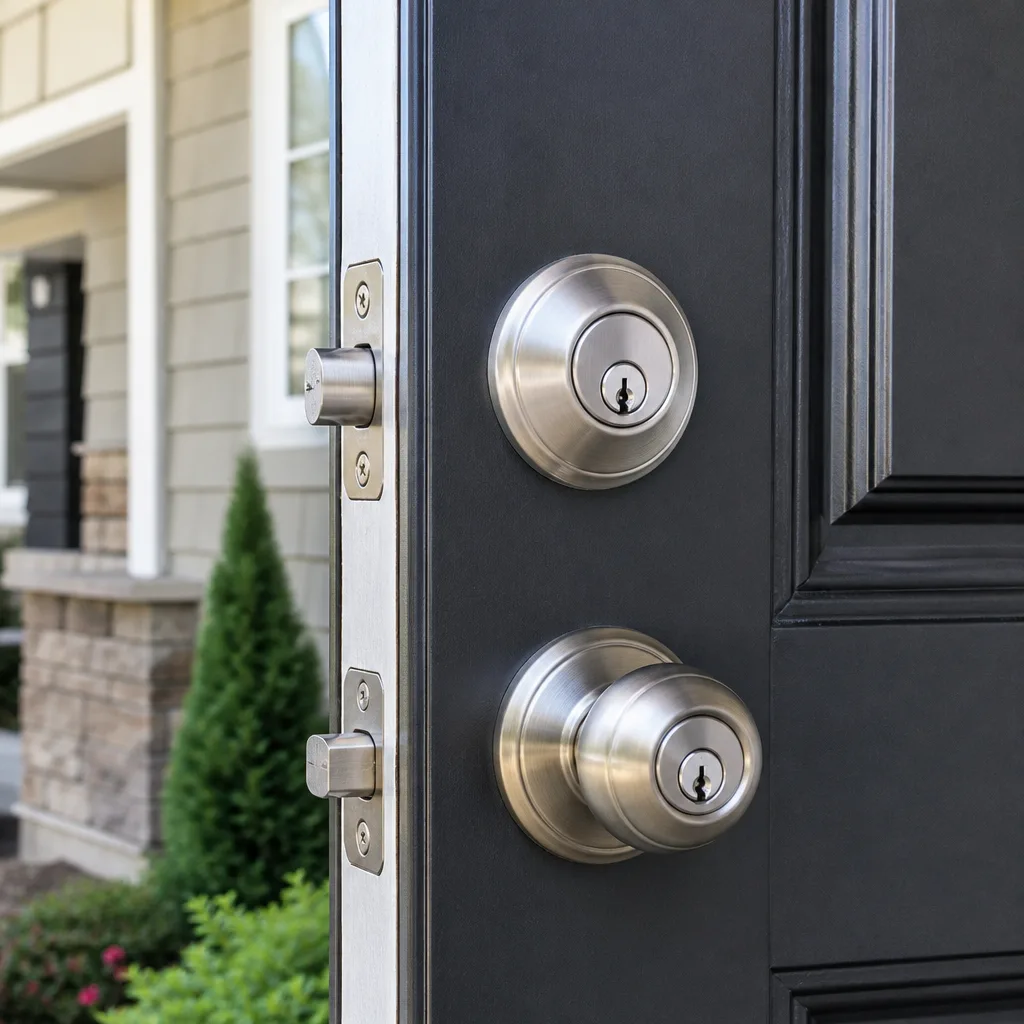
Kwikset is the most common lock in American homes, and for good reason. It’s accessible, inexpensive, and the SmartKey system makes rekeying genuinely homeowner-accessible. But Kwikset’s security ceiling is low. The standard cylinders are five-pin, the tolerances are loose, and the metal quality is entry-grade. A Kwikset lock is fine for a bedroom door or a low-stakes application, but on a primary D.C. exterior door, it’s the minimum, not the recommendation.
Schlage: The Workhorse Upgrade
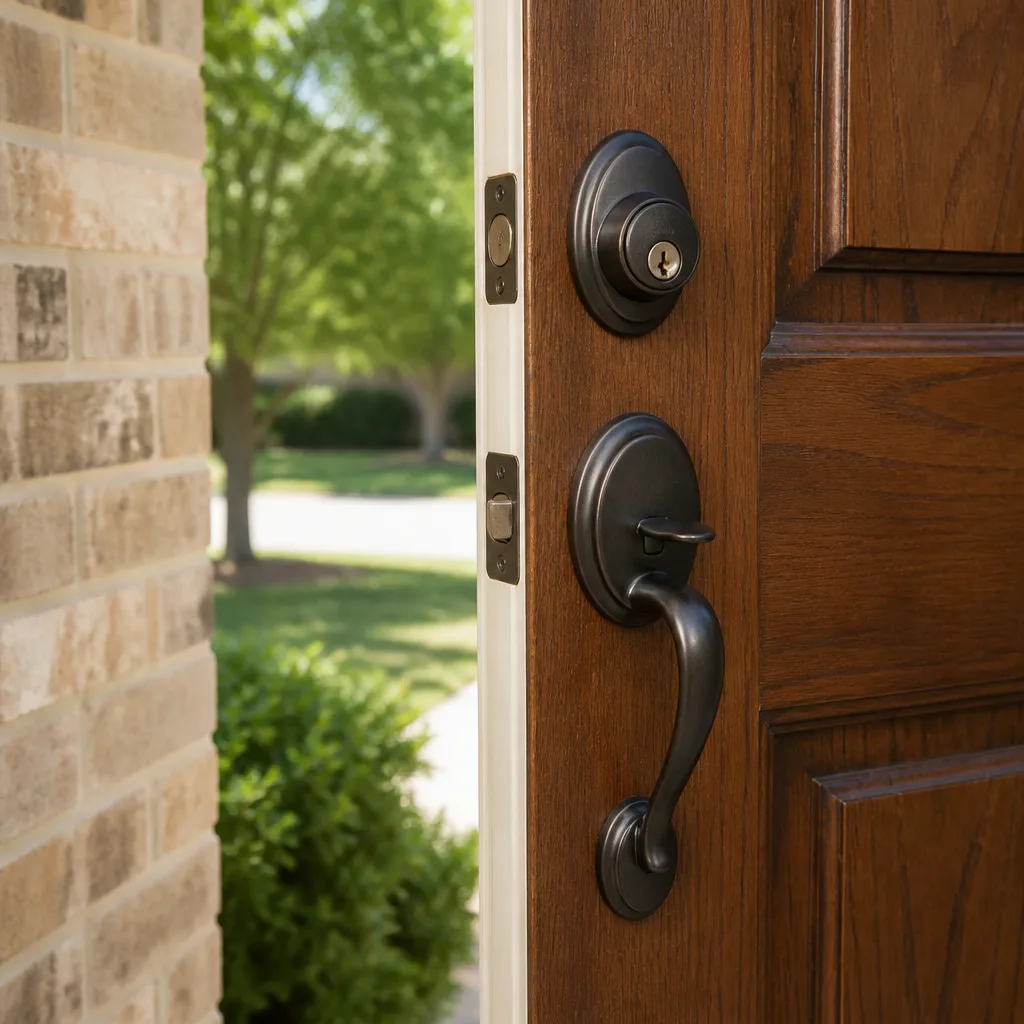
Schlage, particularly the B60 deadbolt line, is a meaningful step up. Six-pin cylinders, tighter tolerances, better strike plate hardware. Still very DIY-installable, but the security benefit only materializes if the installation is correct. A Schlage B60 installed with the stock short screws is no better than a Kwikset. A Schlage B60 installed with a reinforced strike plate and 3-inch screws is a legitimate barrier.
Medeco: Professional Territory, Full Stop
Medeco is high-security hardware. Angled pin cuts, hardened steel inserts, keys that can only be duplicated with a factory card. This is not a lock you buy at Home Depot, and it’s not a lock you install from a YouTube video. Medeco cylinders require factory-certified installation to maintain their UL 437 rating and their warranty. We’re certified to work on Medeco hardware, because Medeco doesn’t let just anyone touch their cylinders. That certification means the lock performs as rated. Without it, you’ve bought expensive hardware with no guarantee it’s doing the job.
Mul-T-Lock: The Expanding-Pin Standard
Mul-T-Lock uses telescoping pin technology, where each pin has an inner and outer component. That makes picking dramatically harder and key duplication controlled. Like Medeco, Mul-T-Lock is not sold through retail channels, and the installation and keying must be done by a certified professional. In D.C., where we see Mul-T-Lock hardware on high-value homes in Georgetown and Kalorama, the brand is a security statement. It only works if it’s installed right.
Baldwin and Yale sit in the middle: Baldwin for premium residential aesthetics, Yale for solid mid-grade security and a growing smart-lock line. Both are DIY-possible but benefit from professional installation when they’re going on high-traffic exterior doors.
Common Mistakes to Avoid
- Using the stock strike plate screws. The hardware that comes in the box uses 3/4-inch screws that anchor only to the door jamb trim. One solid kick and the door opens. Replace them with 3-inch screws that reach into the framing behind the jamb.
- Rekeying by replacing the whole lock. This is the single most common unnecessary expense we see. A rekey costs a fraction of new hardware and achieves the same security outcome, old keys stop working. Unless the hardware is damaged or you want a visual upgrade, rekey, don’t replace.
- Lubricating with WD-40. It’s a water displacer, not a lock lubricant. It leaves a residue that attracts dust and gums up the pins. Use dry graphite or PTFE lubricant only.
- Installing a double-cylinder deadbolt on a rental unit. In Washington, D.C., a deadbolt that requires a key on the inside is a housing code violation because it blocks emergency egress.
- Cutting a high-security key at a hardware store. Medeco, Mul-T-Lock, and Abloy keys require the original key card and specialized cutting equipment. A generic blank cut by a kiosk won’t work and may damage the cylinder.
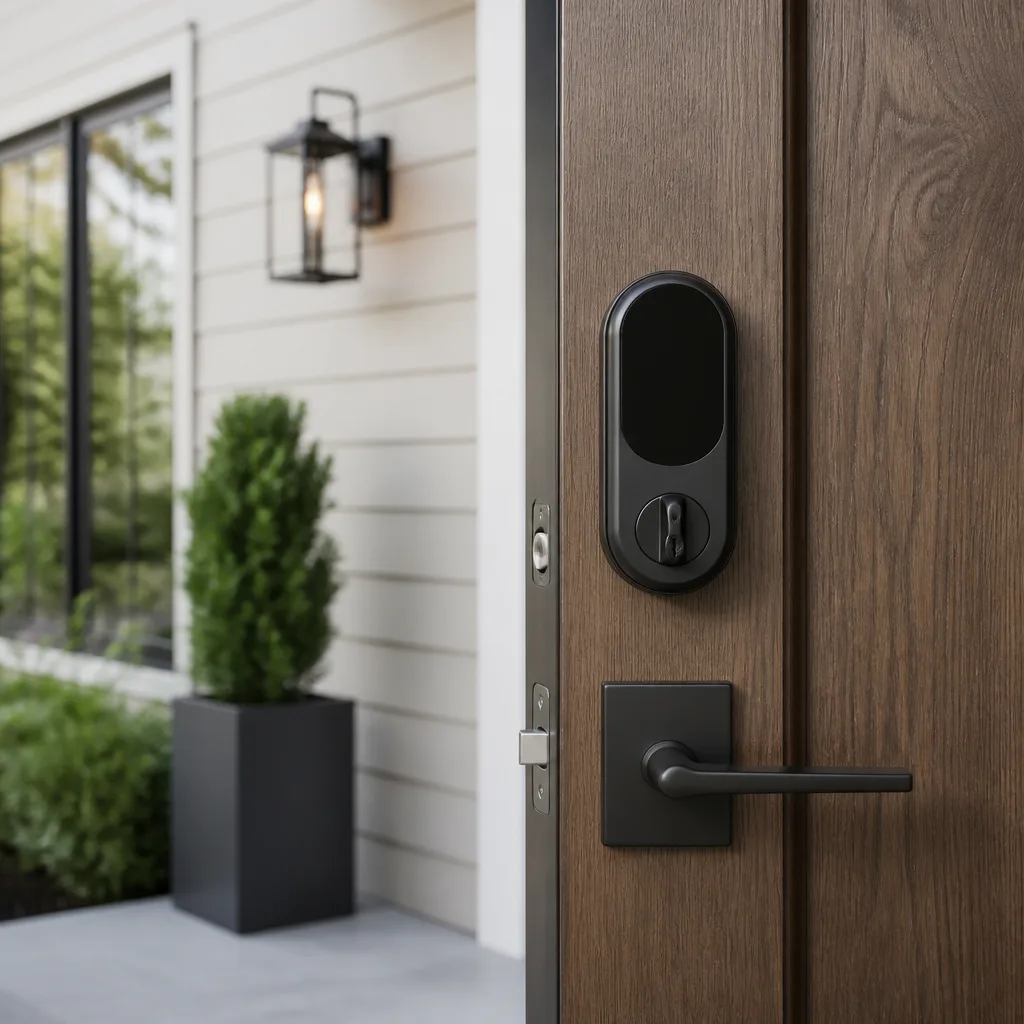
- Assuming a smart lock is plug-and-play. Smart locks still need a properly aligned mechanical deadbolt underneath. The electronics don’t compensate for a misaligned strike plate or a sagging door.
- Drilling the bore hole freehand. Without a jig, the hole wanders, and the lock ends up misaligned. That’s the 1/8-inch gap that turns a deadbolt into a suggestion.
When to Call a Professional
Call a locksmith when the task involves a high-security cylinder like Medeco, Mul-T-Lock, or Abloy. Call when a car key needs transponder programming. Call when a master key system has to be designed or repaired. Call when a deadbolt installation is going on a primary exterior door and you don’t own a jig, a sharp chisel, and 3-inch screws. Call when a rental unit needs a lock change and you want it done without running afoul of the D.C. Housing Code. Call when a DIY attempt has already gone sideways, because a half-disassembled lock in an unsecured door is an emergency, not a project. Coral Locksmith offers free estimates in Washington, D.C. Call (855) 382-1343 and we’ll quote the exact price on the phone before anyone is dispatched, and that’s the price on the invoice. No call-out fee added on arrival.
Frequently Asked Questions
A residential lockout in Washington, D.C. typically runs $90 to $180, a rekey runs $65 to $120 for the service call plus $20 to $35 per cylinder, and a deadbolt installation runs $150 to $300 including hardware. Automotive key replacement varies widely by vehicle, from $150 for a basic transponder key to $400 for a proximity fob. Coral Locksmith quotes the full price on the phone before dispatch, and that’s the price you pay. Call (855) 382-1343 for a free estimate.
Yes. The price we quote on the phone is the price on the invoice, period. We don’t add a call-out surcharge on arrival, and we don’t inflate the quote once the technician sees the lock. That’s a known bait-pricing problem in this trade, and it’s exactly why we quote firm over the phone.
Yes, if it’s a Kwikset SmartKey. The SmartKey system was designed for homeowner rekeying and takes about a minute with the included tool. If it’s a standard pin-and-tumbler Kwikset, leave it alone, opening the cylinder without the right tools and a pinning kit usually ends with springs on the floor and a door that doesn’t lock.
Washington, D.C. does not currently have a standalone locksmith licensing board, but legitimate locksmiths carry business licenses, general liability insurance, and often manufacturer certifications for high-security brands like Medeco and Mul-T-Lock. Always ask for proof of insurance and ask which brands the locksmith is certified to service.
For urgent lockouts in Washington, D.C., we prioritize speed and calm resolution. Call (855) 382-1343 and we’ll give you an ETA and a firm quote before we dispatch.
Rekey. You get the same security outcome, old keys stop working, for a fraction of the hardware cost. Replacement only makes sense if the existing hardware is damaged, worn out, or you’re upgrading to higher-security cylinders. Our rekeying service in Washington, D.C. handles move-in security for homeowners, renters, and landlords.
The Bottom Line
The DIY-versus-professional locksmith question in Washington, D.C. comes down to consequence. Three tasks, SmartKey rekeying, fob batteries, and lubrication, are genuinely safe for homeowners. Everything else carries a cost of failure that exceeds the savings, whether that’s a voided warranty on a Medeco cylinder, a D.C. Housing Code violation on a double-cylinder deadbolt, or a deadbolt installed with stock screws that opens to a shoulder bump. Know the line, respect it, and when you’re on the wrong side of it, call someone who does this every day. From Coral Locksmith home to our emergency locksmith service in Washington, D.C., we’re one call for your home, your car, and your peace of mind.
Written by the team at Coral Locksmith, serving Washington, D.C. since 2018.