
Last updated October 30, 2026
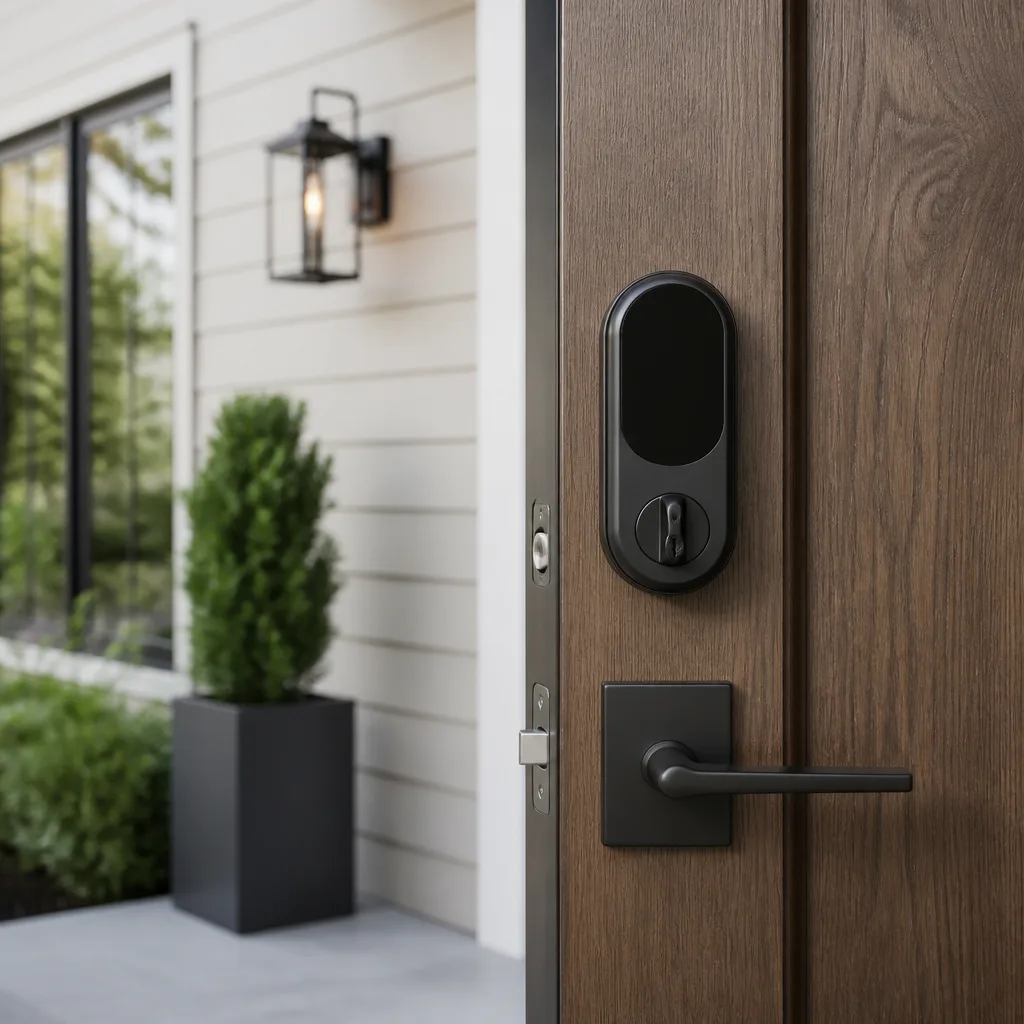 Smart locks
 House lockouts
 Re-keying
 Deadbolt upgrades
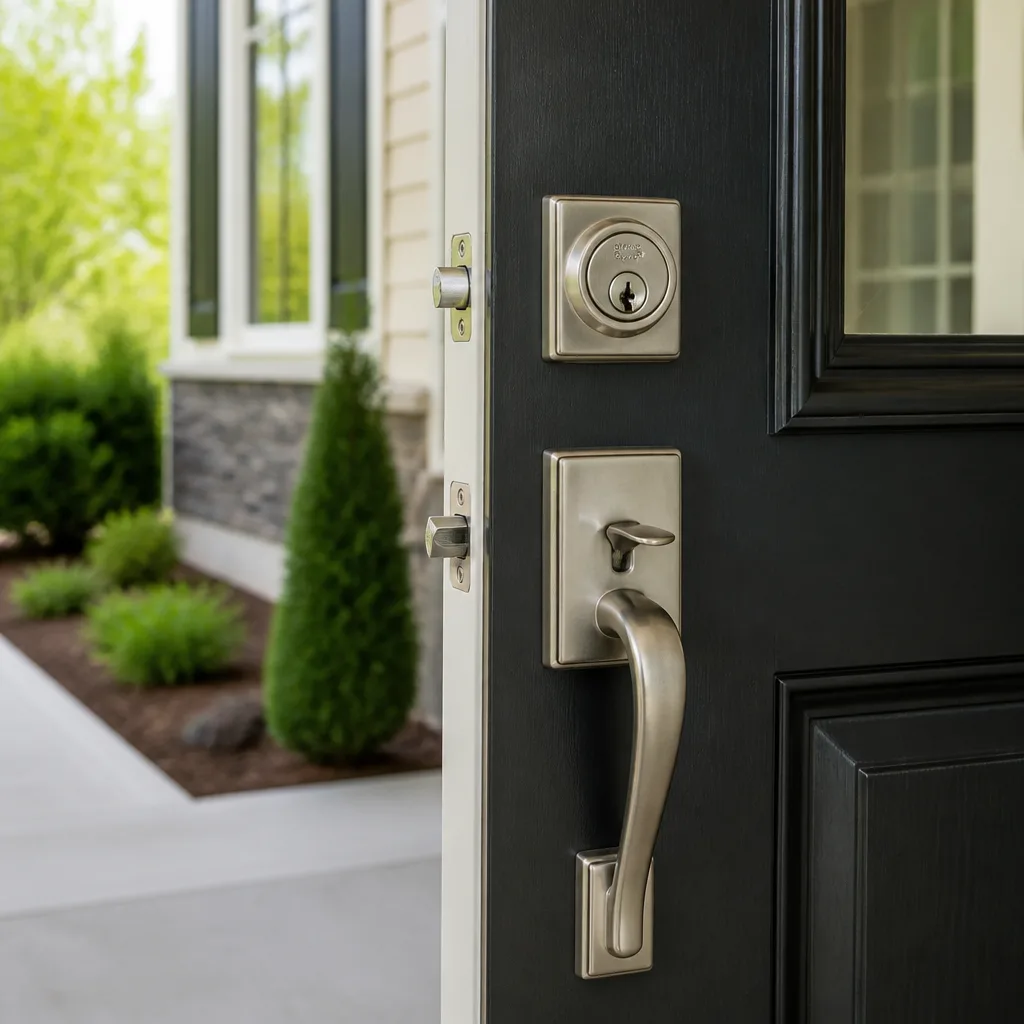 Schlage
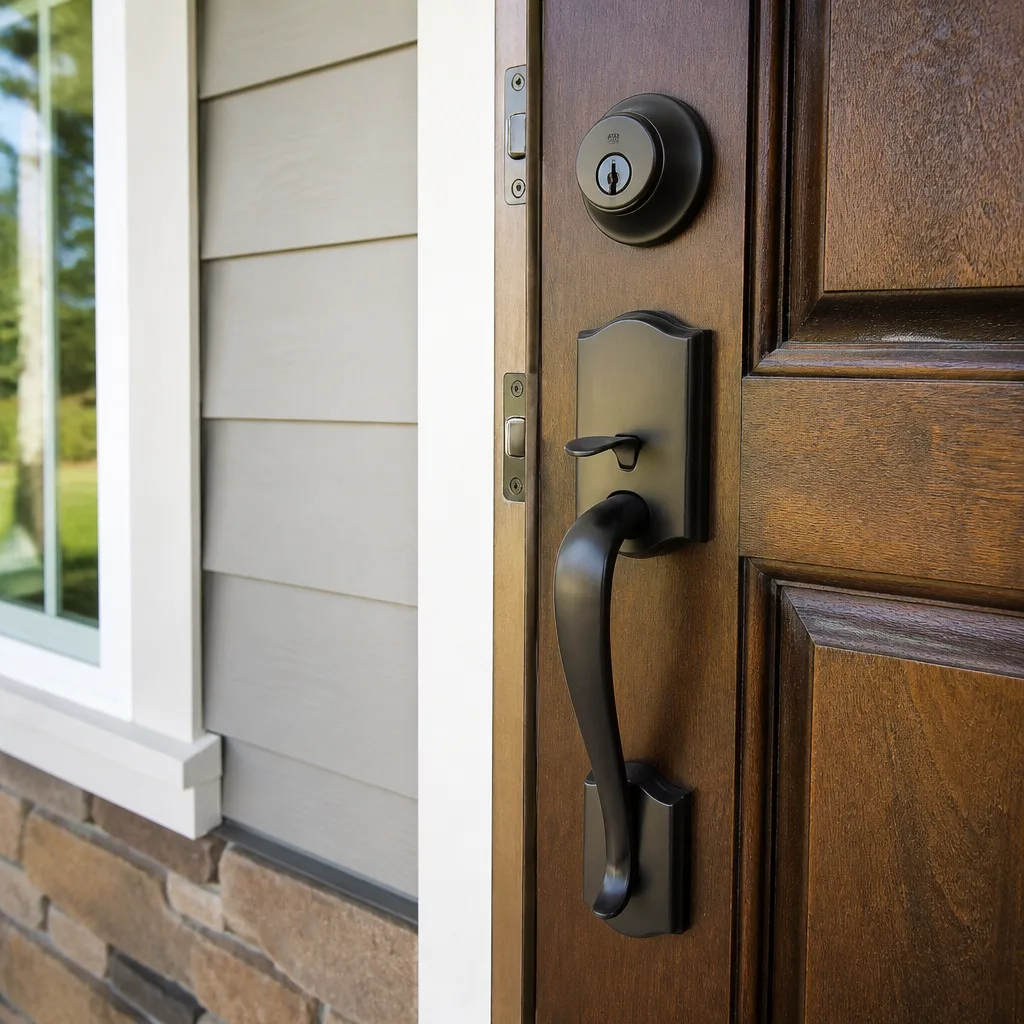 Kwikset
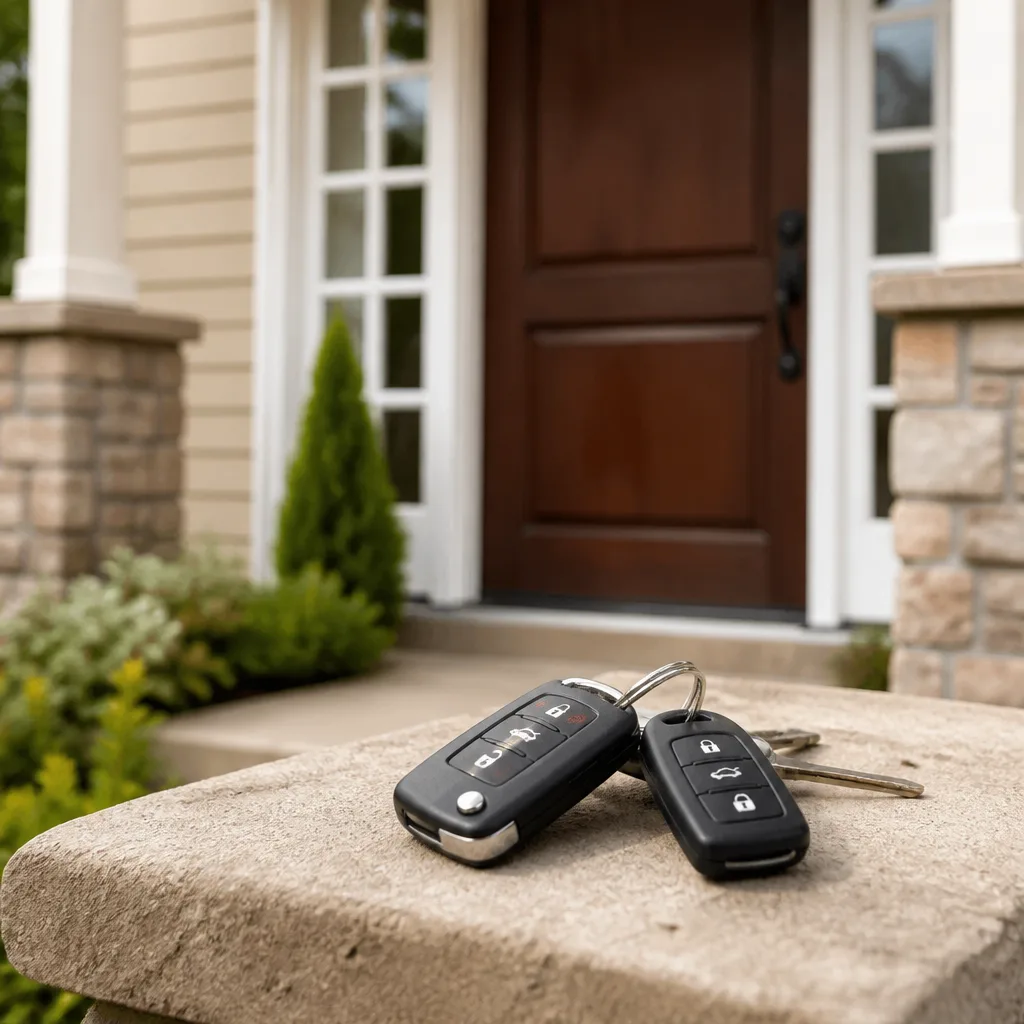 Car keys & fobs
Non-destructive entry first, always - and we re-key Schlage, Kwikset, and Baldwin locks on the spot while you watch
You get a price before we start. It does not change when we arrive. No surprises.
Get your free estimateLocksmith Warning Signs: A Washington, D.C. Homeowner’s Reference Guide
A key that needs a half-turn of jiggling before it catches is not “just stiff.” It’s a lock cylinder with worn driver pins, and in our experience it is statistically likely to fail completely within 60 to 90 days, often at the worst possible moment. Washington, D.C. homeowners tend to discover this at 11 p.m. on a weeknight, standing in a vestibule on Capitol Hill or outside a Logan Circle rowhouse with groceries melting on the stoop. This guide teaches you to read your own hardware the way a locksmith does, so the small issues get addressed before they become expensive emergencies.
Quick Answer
The clearest signs your lock needs attention in Washington, D.C. are: a key that resists turning or requires jiggling, a deadbolt that doesn’t throw fully without shoulder pressure on the door, visible scratches or dents around the keyway, a lock that feels different every time you use it, and electronic locks that respond intermittently. Any of these means the lock is telling you it’s nearing end-of-life. Catching them early costs far less than a lockout or a break-in after the fact.
Styles & brands we work with
Table of Contents
- Cylinder Wear: The Warning Signs You Can Feel
- Deadbolt Misalignment and D.C. Rowhouse Frame Movement
- Tampering vs. Wear: Reading the Marks on Your Lock
- Electronic and Smart Lock Warning Signs
- Rekey vs. Repair vs. Replace: A Triage Framework
- What Makes Washington, D.C. Locks Different
- What Not to Do Yourself (And Why)
- When to Call a Professional
Cylinder Wear: The Warning Signs You Can Feel
Before a lock fails completely, it almost always sends tactile signals. Your hand knows something is wrong before your brain does. In Washington, D.C., where many homes are 80 to 120 years old, cylinder wear is the single most common lock issue we see, and it presents in predictable ways.
A healthy lock cylinder turns with a consistent, smooth motion from the moment the key enters until the bolt retracts. Any deviation from that consistency is a data point. Here is what each one indicates about remaining service life.
Key Resistance on Entry
If your key catches, drags, or needs a wiggle before it slides in, that is the first stage of cylinder decline. The driver pins inside the cylinder have worn against the key cuts for years. Every insertion scrapes a little more material away. When the pin chambers no longer align cleanly, the key starts fighting the geometry it was designed to match. This is not something that fixes itself. The resistance typically worsens over 60 to 90 days until the key either stops entering or snaps off in the keyway.
Inconsistent Turning Feel
A lock that turns easily one day and grinds the next is trying to tell you something specific: one or more pins have worn past their tolerance threshold. The pin stack is no longer stable. In some cases, a single worn pin will intermittently catch the shear line and then release, which is why the lock feels different from insertion to insertion. Weather makes it more pronounced. Washington, D.C.’s humidity and freeze-thaw cycles cause the metal in older cylinders to expand and contract, binding against pins that a dry climate would let slide quietly.
Visible Keyway Deformation
Look directly at the keyway, the slot where you insert the key. Is the opening still a crisp, machined rectangle, or is it rounded at the edges, widened, or slightly bell-mouthed? A deformed keyway means the cylinder body itself has stretched under years of key torque. At that point, even a freshly cut key will feel loose, because the keyway tolerances that held it true are gone. On a Schlage or Kwikset cylinder, this is a terminal condition. Replacement is the only honest recommendation.
Key Wear as a Diagnostic Tool
Examine the key itself. A key that is shiny on one side, visibly thinner than a spare, or shows flattened teeth is telling you something about the cylinder it works in. Worn keys accelerate cylinder wear, because the misshapen cuts act like sandpaper on the pins. But replacing the key without addressing the cylinder only delays the failure. Think of the key and cylinder as a matched set. When one is worn, the other is almost never far behind.
If you are experiencing any of these signs on a deadbolt protecting a back door of a Washington, D.C. rowhouse, consider a Rekey Locks in Washington, D.C. assessment. A rekey replaces the pins that are wearing, which sometimes resets the clock entirely without the cost of new hardware.
Deadbolt Misalignment and D.C. Rowhouse Frame Movement
Washington, D.C. is not geologically stable in the way a newer build on a concrete slab might be. Rowhouses in Georgetown, Capitol Hill, Bloomingdale, and Shaw sit on clay-heavy soil that expands and contracts dramatically with seasonal moisture. That movement transmits through brick party walls and framed door openings, and it lands directly on your deadbolt.
How to Check for Misalignment in 60 Seconds
- With the door open, throw the deadbolt. Watch how the bolt extends. It should move straight out, smoothly, to full length, with no sideways drift.
- Now close the door without locking it. Run your finger along the gap between door edge and frame. Is the gap wider at the top than the bottom, or vice versa? That wedge shape is frame settlement made visible.
- Close the door and throw the deadbolt without pulling or pushing on the handle. Does the bolt enter the strike plate freely, or do you catch yourself lifting, tugging, or leaning on the door to help it?
- Open the door and look at the strike plate. Are there fresh scratches or bright metal showing where the bolt has been hitting off-center? That is a written record of misalignment.
What the Symptoms Mean
A bolt that doesn’t throw fully is not just an annoyance. It is a security vulnerability with a number attached to it. A deadbolt that extends only halfway or sits at a slight angle has a fraction of its rated shear strength. A properly installed Grade 1 deadbolt resists physical attack by transferring force into the frame through the full length of the bolt. A half-thrown bolt transfers force into air.
A door that requires shoulder pressure to close means the frame has moved more than the lock can tolerate. The bolt is no longer hitting the strike plate aperture in its designed alignment. Forcing the door closed works against the very geometry the hardware depends on. Over time, the bolt bends, the strike plate screws strip, and eventually the lock or the frame or both fail. In a Washington, D.C. rowhouse with a century of settlement behind it, this is not a hypothetical. It is a scheduled event.
The fix is usually straightforward, but it is not glamorous. Repositioning the strike plate, shimming the hinge side to re-square the door, or in more advanced cases re-setting the door frame itself. A locksmith who understands frame geometry can usually restore proper alignment in a single visit. You do not need to replace the door, and you usually do not even need to replace the lock. But you do need to address it before the misalignment turns a working deadbolt into a liability.
For time-critical misalignment failures, like a lock that has fully stopped throwing on the only entrance you can use, Emergency Locksmith in Washington, D.C. service is the right call. A door you cannot secure is an urgent security problem, not a daytime job.
Tampering vs. Wear: Reading the Marks on Your Lock
One of the most useful skills a homeowner can develop is the ability to tell the difference between a lock that is old and a lock someone has tried to defeat. The marks look different, and the action you take afterward should be different too. In Washington, D.C., where foot traffic means strangers pass within arm’s reach of your front door daily, this distinction matters.
Signs of Tampering
- Fresh scratches radiating outward from the keyway: Picking attempts leave fine, fan-shaped scratches or polished arcs around the keyhole, because the pick tool scrapes as it works. These are usually shallow, parallel, and curve with the shape of the opening.
- Dents or flattened areas around the keyway rim: A bump key or a tension wrench used with force can leave small dents right where the inner edge of the keyway meets the face of the cylinder.
- Tool marks on the strike plate or latch area: Pry or shim attempts leave vertical gouges on the strike plate or crushed edges on the latch bolt itself.
- A key that suddenly works “differently”: If your key feels as though it is passing over something it never passed over before, and you have not changed keys, that can indicate a snapped pick tip or other tool fragment left inside the keyway.
Signs of Normal Wear
- Uniform, gradual rounding of the keyway edges: Years of key insertion wear metal evenly. The edges look smoothed and polished, not gouged.
- Faded or worn finish from handling: The area around the keyway is often lighter than the rest of the lock, from thousands of insertions. This is cosmetic.
- A key that has been getting gradually harder to turn over months: Slow, progressive decline points to pin wear. Sudden change points to something else.
If you find signs of tampering, the right response has two parts. First, verify the lock still works correctly and that the door is currently secure. Second, make a decision about rekeying or replacing the cylinder. A lock that has been attacked once will likely be attacked again, and any tool damage to the keyway compounds the existing wear. In our experience, a tampered lock is almost always worth a rekey at minimum. A lock that has been tampered with and is also showing age is worth replacing outright. The cost difference between a rekey and a cylinder replacement is modest, and the security difference is not.
Electronic and Smart Lock Warning Signs
Smart locks fail differently than mechanical locks. They do not wear out the same way a pin stack does. Instead, they send a different set of signals, and homeowners regularly misread them. Knowing what each signal means saves you from either overreacting to a simple battery problem or under-reacting to a real hardware failure.
Battery Warnings That Mimic Malfunction
The most common call we get about smart locks in Washington, D.C. apartment buildings and offices is someone reporting the lock is “broken” when the batteries are simply below threshold. The symptom looks dramatic: the lock freezes, resets, or refuses to respond to the app. But here is the tell. If the lock behaves normally for six to eight months and then suddenly acts erratically over two weeks, the batteries are nearly always at fault. A smart lock that is truly failing behaves erratically from the start, regardless of battery state.
In D.C.’s summer, battery discharge accelerates noticeably, because heat plus humidity taxes the electronics and the motor that drives the bolt. We recommend checking smart lock batteries twice a year in this climate, not once a year as the manufacturer inserts suggest. Write the install date on the batteries with a marker. A lock that comes back to life immediately with fresh batteries does not need a service call. It needs a better battery replacement habit.
Connectivity Drops: What They Actually Mean
A lock that drops off the app or becomes unresponsive to remote commands is suffering from one of three root causes, and two of them are not the lock’s fault.
- Hub distance or interference: In brick and lathe construction, which is most of Washington, D.C.’s housing stock, the signal between hub and lock degrades through multiple interior walls. If the lock is on the back door of a three-story rowhouse and the hub is on the first floor, that connection is working through dense material at the edge of its range.
- Router channel congestion: Rowhouse density means dozens of overlapping networks. Smart locks operate on frequencies that compete with everything else in the air. A router channel change often resolves intermittent connectivity that is not a lock problem at all.
- Actual lock radio failure: If the lock responds to the keypad but not the app, and the hub and router check out, the lock’s radio module may be failing. This is a hardware failure and typically requires the manufacturer or a knowledgeable locksmith to service.
Motor and Gear Train Wear
Smart locks contain a small motor that throws the bolt for you. That motor has a finite operational life. The warning sign is subtle: a lock that takes longer to throw the bolt than it did when new, accompanied by a higher-pitched or slightly labored whine during operation. Any change in the sound or speed of the mechanism is meaningful. Once the motor or gear train starts to fail, it does not recover. The fix is a replacement mechanism or a new lock. Catching it before it fails completely means you replace on your schedule, not at midnight when the lock leaves you stranded outside.
If your smart lock has reached end-of-life and you are considering an upgrade, the conversation should include lock type and security grade, not just convenience features. A lockout is still a lockout, even when the deadbolt is electronic. For urgent access issues, Emergency Locksmith in Washington, D.C. service can get you back in without destroying the door, which matters when the door is original to a 1910 rowhouse.
Rekey vs. Repair vs. Replace: A Triage Framework
Not every warning sign means the lock is headed for the recycling bin. The right response depends on what specifically is failing. Here is the triage framework we use when assessing a lock, and you can use the same logic at home.
Step 1: Identify What Is Failing
- Is the problem the key or the cylinder? If a new key cut from code works smoothly, the old key was the issue. If a new key still drags, the cylinder pins are worn.
- Is the problem the cylinder or the alignment? If the key turns smoothly but the bolt will not throw, the cylinder is fine. The problem is the frame, the strike plate, or the bolt itself.
- Is the problem the lock or the door? A lock that works perfectly when the door is open but fails when the door is closed points to door alignment, not lock failure.
- Is the problem mechanical or digital? A smart lock that works on the keypad but not the app is a connectivity issue. A smart lock that does not work on the keypad or the app is a power or motor issue.
Step 2: Match the Solution to the Problem
- Rekey when the cylinder is fundamentally sound but the key is compromised, lost, or you have moved into a new home and cannot account for every previous key. Rekeying replaces the pins inside the cylinder so old keys stop working and new keys operate the lock. It is the right choice after moving into a new home in Washington, D.C., after a tenant move-out, or after a key goes missing. It is dramatically less expensive than replacing hardware, and it restores full security. This is the Rekey Locks in Washington, D.C. service in its element.
- Repair when a single component has failed in an otherwise healthy lock: a bent latch, a worn strike plate, a stripped screw. Repairs are surgical. They cost less than replacement and preserve original hardware, which matters on the antique locks you find on Washington, D.C.’s historic doors.
- Replace when the cylinder is worn past tolerance, the housing is deformed, the smart lock motor or gear train is failing, or the lock has been visibly tampered with and shows terminal damage. Replacement is also the right call when a repair would cost more than 60% of the price of new hardware. On a standard Kwikset or Schlage deadbolt, a new unit is modestly priced, and replacement installs in about an hour. On a high-security Medeco, Mul-T-Lock, or Abloy cylinder, replacement is more involved, but those cylinders are also far more resistant to the wear and tampering that kills consumer locks early, so they rarely need it in the first place.
The triage rule that saves money and prevents emergencies: rekey before you must, repair while the repair is small, and replace before the lock forces your hand. A Washington, D.C. rowhouse owner who rekeys on move-in day and repairs a misaligned strike plate within the month spends a fraction of what the person who ignores both until the lockout spends.
What Makes Washington, D.C. Locks Different
Locks do not exist in a vacuum. The same Schlage deadbolt behaves differently on a new-construction door in Navy Yard than it does on an original 1890 front door in Capitol Hill. Understanding the local factors that shape lock performance in Washington, D.C. helps you separate what is normal from what is a warning sign.
Historic Hardware Meets Modern Expectations
Washington, D.C. has one of the highest concentrations of pre-1940 housing stock of any major American city. Those rowhouses and Victorian-era homes often came with mortise locks, which are built differently from the cylindrical deadbolts on modern doors. A mortise lock wears differently too. The warning signs are the same in spirit, key resistance, inconsistent throw – but the repair path is different. A loose mortise lock body inside a 120-year-old door is a salvage job, not a swap. It requires someone who has worked on those mechanisms before, not someone whose entire experience is swapping cylindrical locks on newer builds.
Climate and Moisture Cycles
The freeze-thaw cycle in Washington, D.C. winters, combined with summers that sit in the 90s with 70% humidity for weeks at a time, puts locks through expansion and contraction cycles that a stable climate does not. Metal housings swell in heat and contract in cold. Humidity works into the cylinder and accelerates pin corrosion on cheaper steel components. This is why locks in D.C. tend to show wear earlier than their counterparts in drier, more stable climates. It is also why we recommend lubricating lock cylinders with a dry graphite or PTFE lubricant twice a year in this region. A dry lock announces itself with that grinding, resistant key turn. A lubricated lock turns the way it should.
Rowhouse Frame Movement as a Constant Variable
The most Washington, D.C.-specific lock issue is structural: rowhouse party walls and clay-rich soil create shifting pressure on door frames. If your home shares walls with neighbors on both sides, you have likely seen this. A deadbolt that worked perfectly in March might not throw cleanly in November. The lock did not change. The wall behind the frame did. In these homes, periodic strike plate adjustment is maintenance, not repair, and understanding that timing prevents the misdiagnosis of a perfectly good lock as broken.
Owning a home in Washington, D.C. means owning the relationship between your door, your frame, and your lock. The hardware matters, and so does the geometry around it. A locksmith who works in this city daily has seen every iteration of that relationship, from Georgetown mansions to Brightwood bungalows to Navy Yard condos.
What Not to Do Yourself (And Why)
There is a difference between maintenance a homeowner should handle and work that belongs in professional hands. Knowing that line keeps you safe and keeps small problems from becoming expensive ones.
Homeowner-Appropriate Maintenance
- Dry lubrication: Twice a year, apply a dry graphite or PTFE lubricant to the keyway, insert and remove the key several times to work it through, and wipe the key clean. This is the single most effective lock maintenance task, and it requires no disassembly.
- Strike plate inspections: Check that screws are snug and that the plate has not shifted. If the screws feel loose, removing them one at a time and adding a small wooden toothpick and a drop of wood glue before re-driving them often tightens things back up without a service call.
- Battery replacement: Smart lock batteries are a homeowner task. Write the install date on the batteries and rotate them before the low-battery zone, which in D.C.’s climate means every six months for deadbolt motors.
Work That Belongs in Professional Hands
Disassembling a lock cylinder to replace individual pins is precise work. The parts are small, the tolerances are tight, and a spring or pin on the floor turns a rekey into a hardware replacement. We have been called to enough partial disassembly jobs to know that whatever was saved in DIY effort was spent on the professional repair of a lock now in pieces. The same applies to mortise lock removal on a historic door. That hardware is integrated into the door leaf, often with hard-to-find setscrews and multiple fasteners. Damaging the door costs far more than the lock work ever would have.
For security-grade work, replacing a Medeco, Mul-T-Lock, or Abloy cylinder, or working on a Sargent commercial lock, professional installation is not optional. Those systems work because they are installed exactly to specification. A close-enough install on a high-security cylinder undermines the entire reason for buying it. The brand certifications exist for a reason, and the hardware is not available through consumer retail for the same reason.
If a situation involves a lock that is actively failing and you need it resolved without delay, do not attempt a disassembly-and-repair experiment at the door. Call a professional, get the door secured, and then talk through whether the right next step is repair or replacement. Sometimes the lockout is the cheaper lesson.
For a home you are moving into, new construction or not, start with a rekey. Rekey Locks in Washington, D.C. service on day one means every key that existed before you owned the door stops working on the same day.
When to Call a Professional
Call a locksmith the same day you notice a deadbolt that will not throw fully, a key that requires jiggling to enter or turn, signs of tampering on a lock you use daily, a smart lock that freezes even on fresh batteries, or any lock that leaves your door unsecured. Call immediately if you are locked out, if a door cannot be secured, or if you have just moved in and cannot account for every key that might exist. Coral Locksmith offers free estimates in Washington, D.C. Call (855) 382-1343 for an assessment, whether you need a rekey, a repair, or a full hardware recommendation.
Frequently Asked Questions
Replace a lock when the keyway is visibly deformed, the key requires jiggling even after proper lubrication, the lock has been visibly tampered with and shows structural damage, or a smart lock’s motor or gear train has failed. A lock that still turns smoothly and securely with a new key is a candidate for rekeying rather than replacement, which costs less and achieves full security.
Deadbolt misalignment caused by frame movement is the most common issue in Washington, D.C. rowhouses, driven by clay-rich soil and shared party walls that shift seasonally. The symptom is a bolt that will not throw fully or requires lifting the door to engage. The fix is usually a strike plate adjustment or hinge re-squaring, not a new lock.
A heavily worn key acts like sandpaper on the cylinder pins, accelerating pin wear and shortening the life of the lock. If you notice shiny wear spots on a key, flattening of the cuts, or difficulty inserting the key, replace the key immediately and have the cylinder inspected. A key and cylinder wear in matched pairs, so both usually need attention.
Lubricate lock cylinders twice a year in Washington, D.C., due to the region’s freeze-thaw winters and humid summers. Use a dry graphite or PTFE lubricant only. Wet oils and penetrating sprays attract dust and gum up the pin chambers. A dry lock announces itself with grinding or stiff key turns, and that is the signal to lubricate.
Rekeying restores full security by changing the internal pins so old keys stop working, and it is as secure as replacement when the cylinder itself is in good condition. Replacement is only necessary when the cylinder is physically worn out, deformed, or tampered with. In a new home, rekeying on day one is the single highest-value security action you can take.
Scratch marks radiating from the keyway can indicate a picking or bumping attempt. Verify that the door is currently secured and that the lock still operates correctly, then rekey the cylinder to eliminate any question of compromised keys. Treat a tampered lock as a security event, not a cosmetic issue.
Common Mistakes to Avoid
- Ignoring a stiff key as “just old.” A key that is progressively harder to turn is a cylinder warning you about an imminent failure. In Washington, D.C.’s climate, that failure often arrives during the first cold snap of winter when you least want to be locked out.
- Using WD-40 or another wet lubricant in a lock. Wet lubricants attract dust and road grit, which turns into a grinding paste inside the cylinder. Use dry graphite or PTFE lubricant only, and use it twice a year in this region’s climate.
- Forcing a misaligned deadbolt with shoulder pressure. Every forced throw bends the bolt a little more and strips the strike plate screws a little further. The repair gets more expensive each time, and one day the bolt simply will not engage at all.
- Assuming a smart lock problem is always a lock problem. Connectivity drops in a Washington, D.C. rowhouse are usually a hub range or router interference issue, not a failing lock. Check the batteries, then the network, before you replace the hardware.
- Replacing a lock when a rekey would do. A lock that works well but has unknown or unaccounted keys behind it does not need replacement. It needs a rekey, which changes the pins so old keys stop working, at a fraction of the cost of new hardware.
- Performing DIY cylinder disassembly on a lock that is actively failing. The small parts and tight tolerances inside a cylinder punish amateur disassembly, and a failed attempt converts a repair into a replacement. If the lock is mission-critical, call a professional first.
The Bottom Line
Your locks are talking to you. The key that jiggles, the deadbolt that needs a hip check, the smart lock that freezes, the faint scratches around the keyway: each one is a data point, and together they tell you exactly what is failing and how much time you have. Washington, D.C. homeowners deal with specific conditions that accelerate lock wear, from rowhouse frame movement and historic mortise hardware to freeze-thaw cycles that bind cylinders. The fix is almost always cheaper before the failure. Rekey on move-in day. Repair the strike plate when the bolt first hesitates. Replace the cylinder when the keyway deforms. Do those things and the 11 p.m. lockout becomes someone else’s story.
Written by the team at Coral Locksmith, serving Washington, D.C. since 2018.