Last updated October 30, 2026
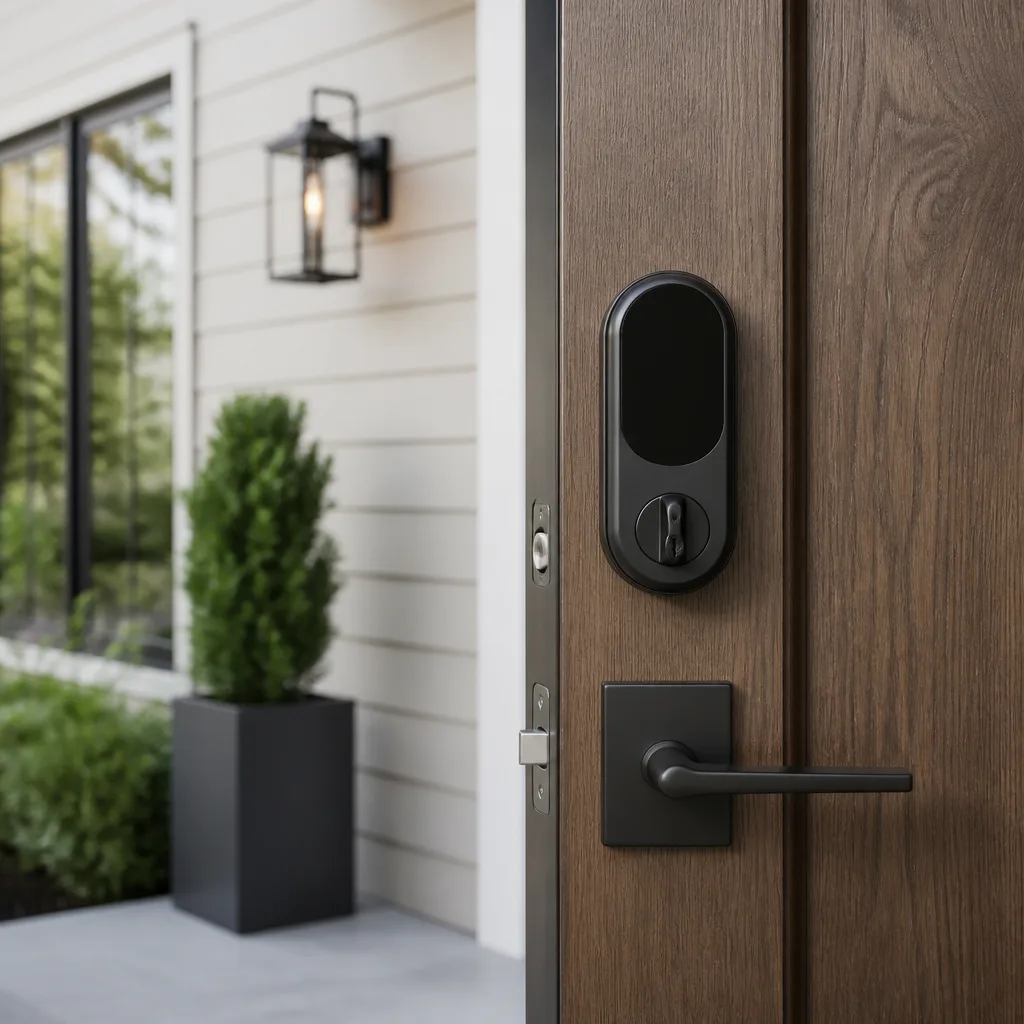 Smart locks
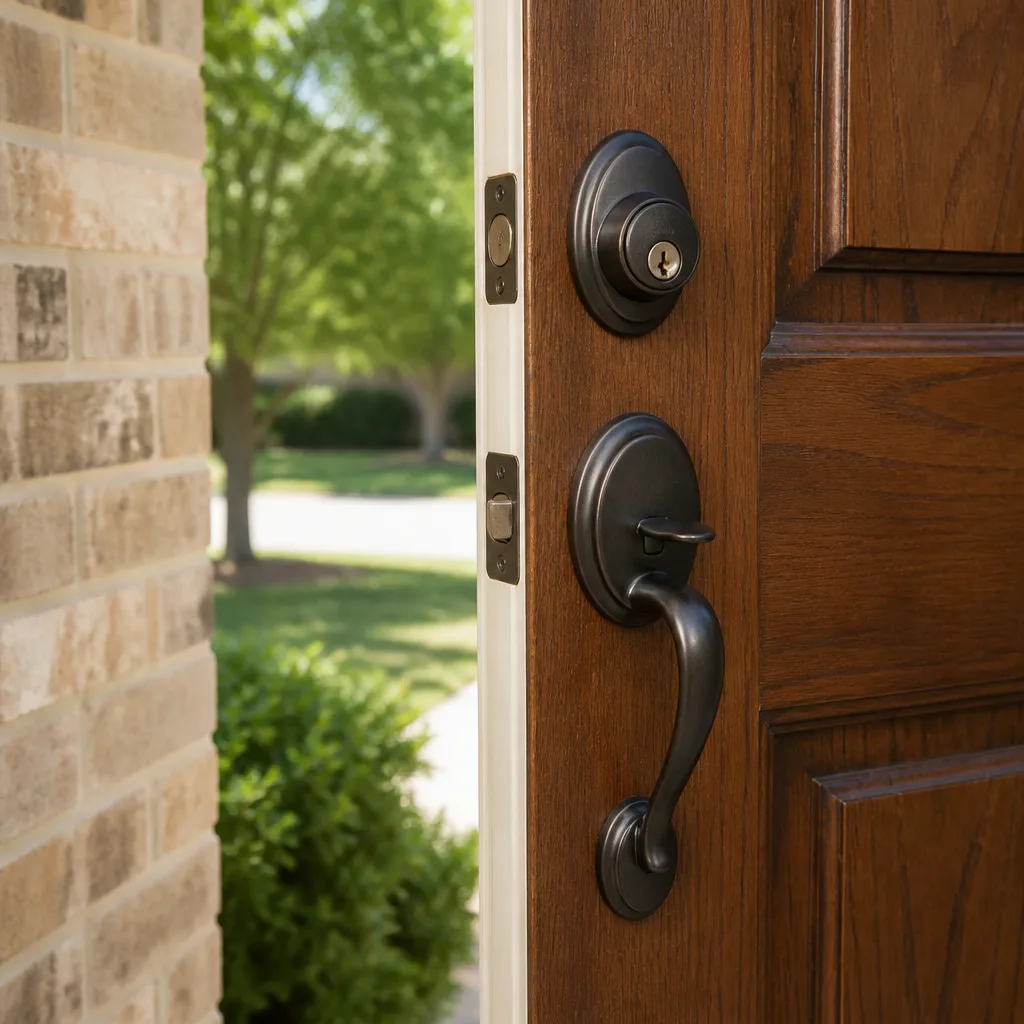 House lockouts
 Re-keying
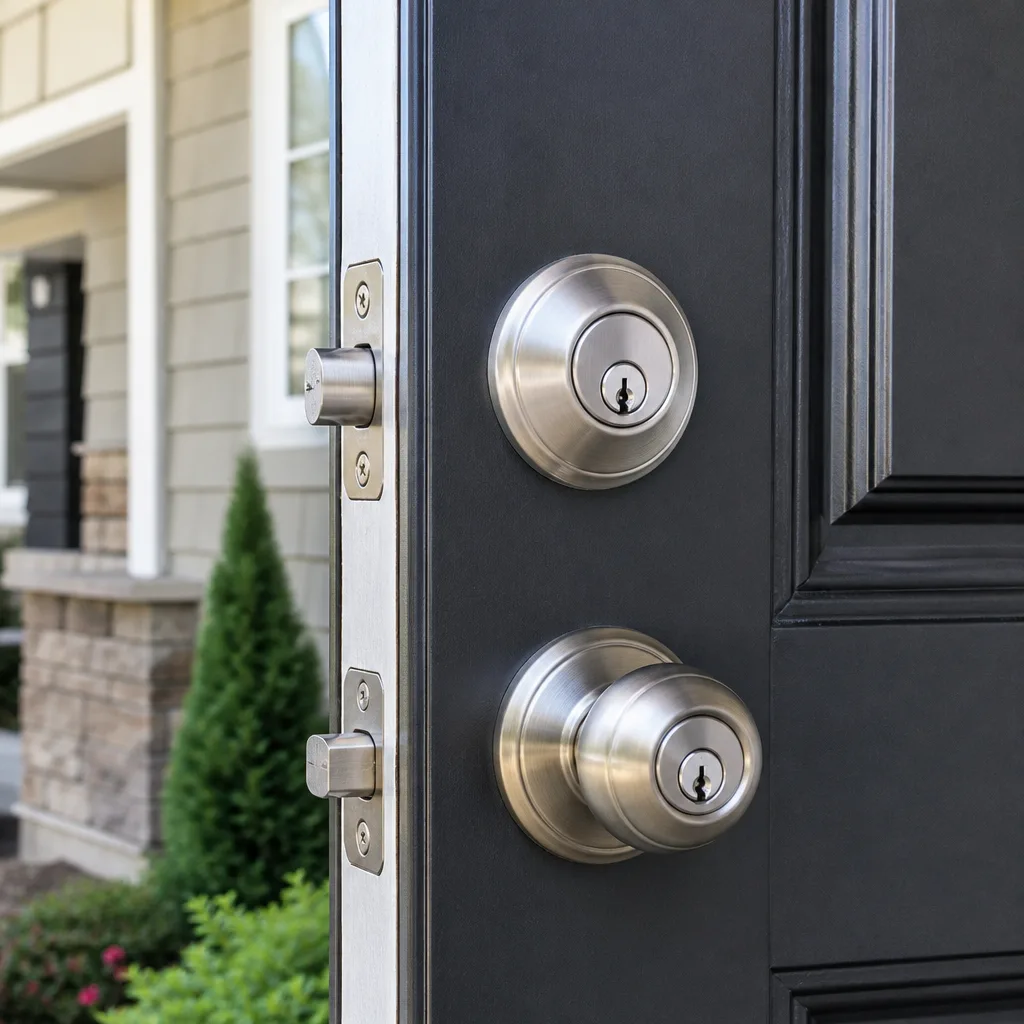
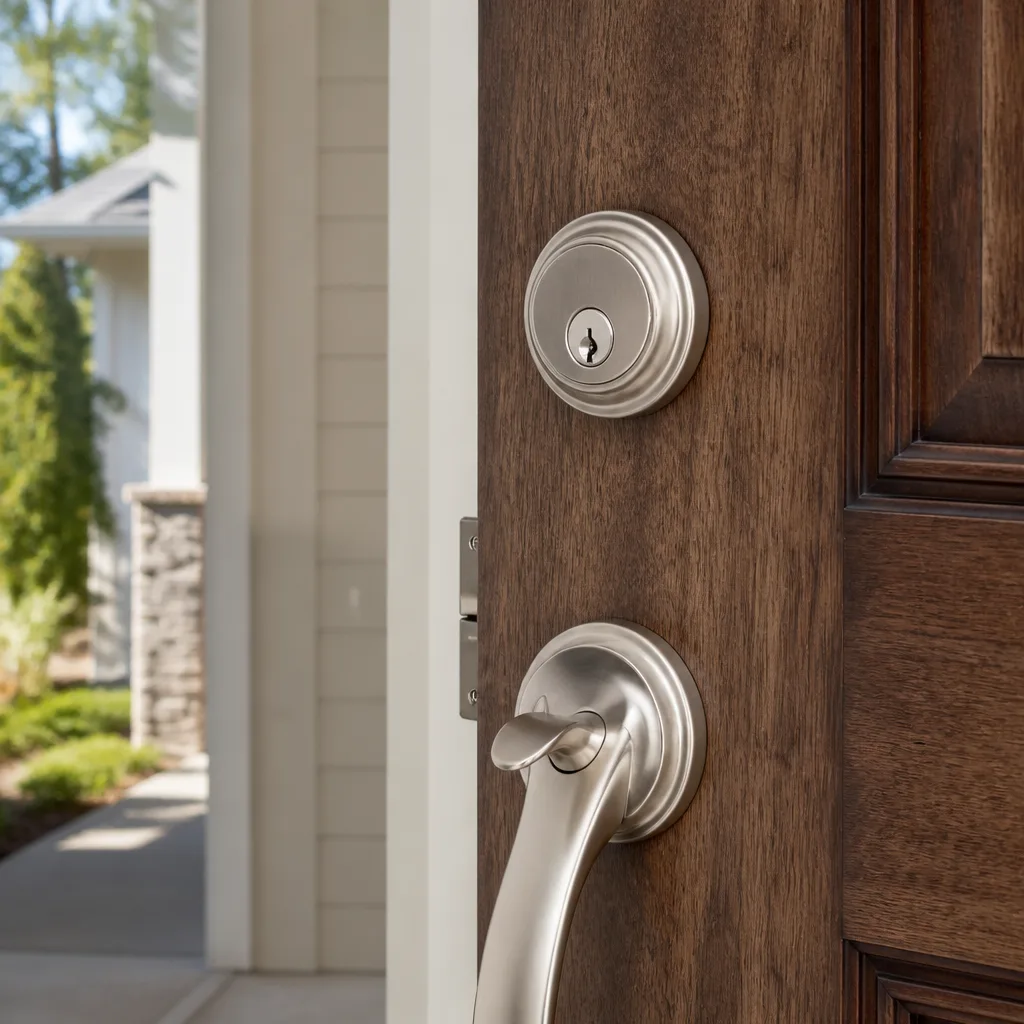 Deadbolt upgrades
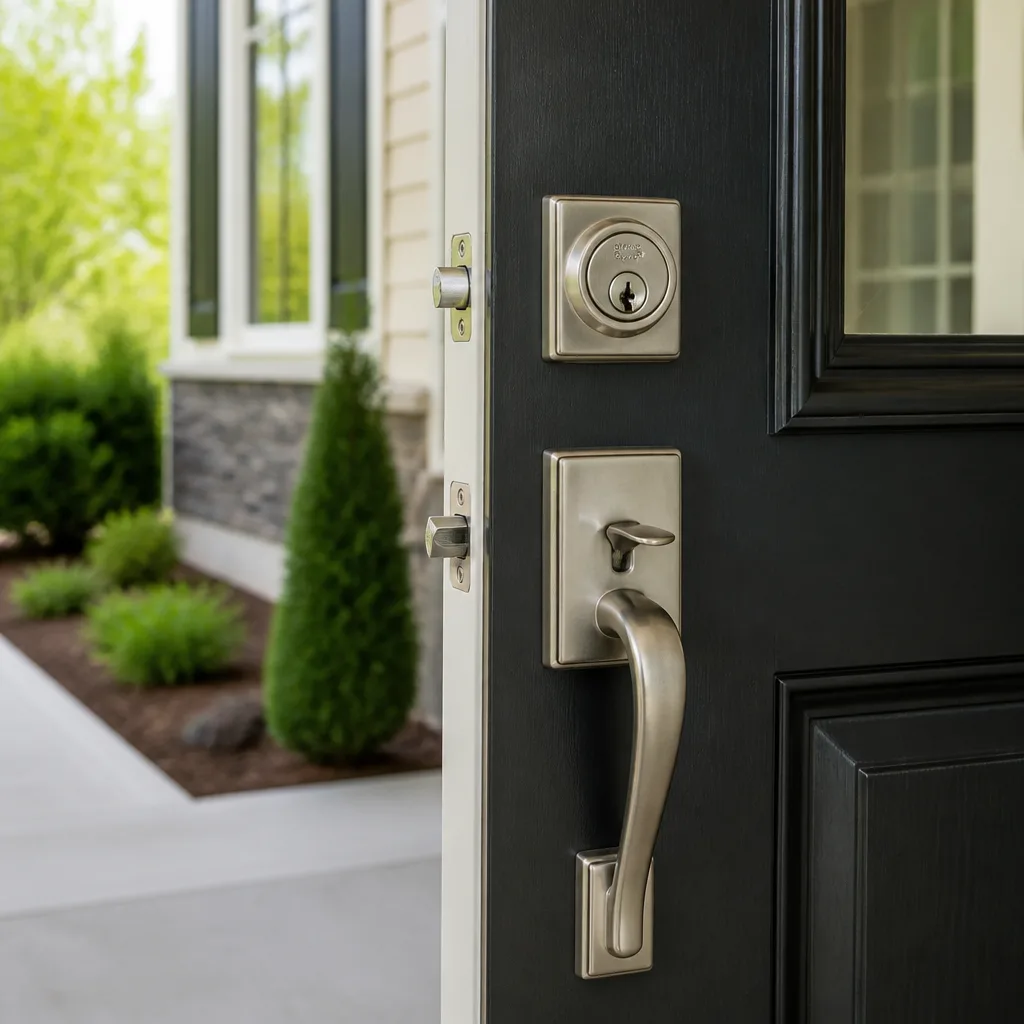 Schlage
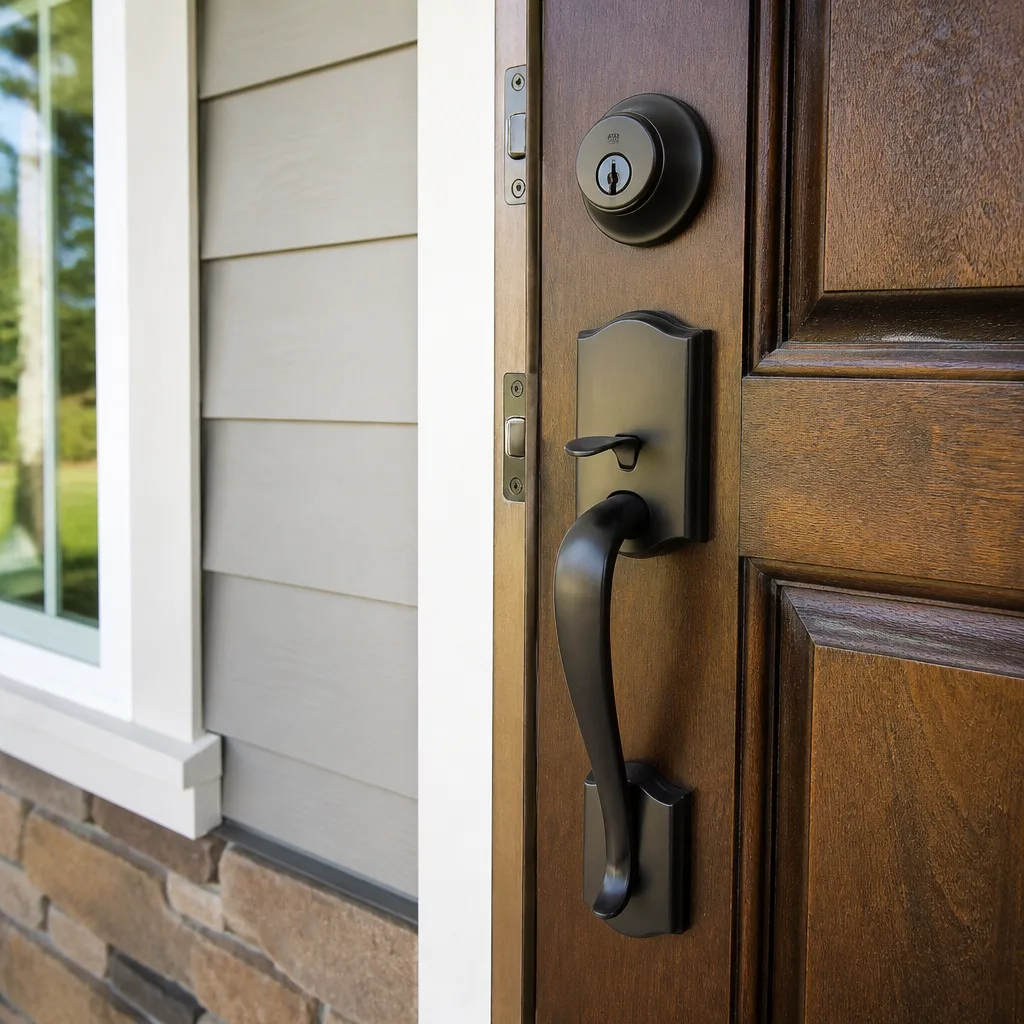 Kwikset
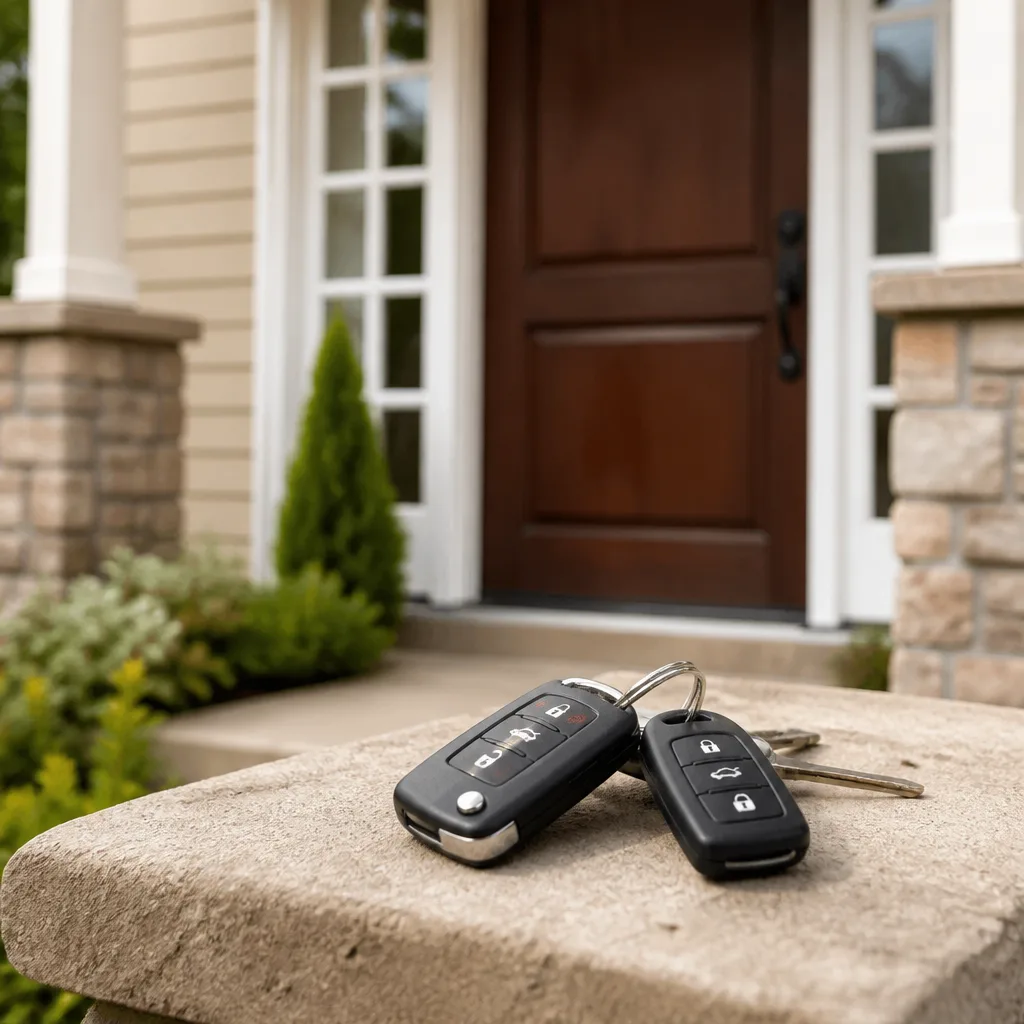 Car keys & fobs
Non-destructive entry first, always - and we re-key Schlage, Kwikset, and Baldwin locks on the spot while you watch
You get a price before we start. It does not change when we arrive. No surprises.
Get your free estimateChoosing the Right Locksmith Brand: A Buyer’s Guide for Washington, D.C.
The most popular deadbolt brand at Washington, D.C. hardware stores carries an ANSI Grade 2 rating. That sounds reassuring until you learn what it actually means: the lock was tested to withstand 250,000 open-and-close cycles, but its kick-in resistance was only measured up to 75 foot-pounds of force. A determined intruder with a size-12 boot generates roughly twice that. This guide walks through the real differences between lock brands sold in Washington, D.C., what the ratings actually measure, and how to match hardware to your specific door, building, and threat level. For a deeper dive, see The Complete Guide to Locksmith in Washington, D.C.
Quick Answer
The right lock brand depends on your property type and security needs, not marketing. For most rental units in Washington, D.C., a Kwikset SmartKey or Schlage B-series deadbolt offers solid Grade 2 protection with rekey-friendly convenience. For owner-occupied rowhouses, stepping up to a Medeco or Mul-T-Lock high-security cylinder adds pick resistance, bump resistance, and restricted key duplication. For the highest-threat environments, Abloy Protec2 remains the benchmark in D.C. We service all of these brands, and the honest answer is that correct installation and door frame reinforcement matter as much as the brand stamped on the faceplate.
Styles & brands we work with
Table of Contents
- What ANSI/BHMA Grade Ratings Actually Measure
- Brand-by-Brand Breakdown for D.C. Properties
- How D.C.’s Rental Market Changes Brand Choice
- Total Cost of Ownership by Brand Tier
- Smart Lock Integration in D.C. Rowhouses and Condos
- Door Frame Reinforcement: The Overlooked Variable
- UL 437 Certification and Why It Matters in D.C.
- Common Mistakes to Avoid
What ANSI/BHMA Grade Ratings Actually Measure
The American National Standards Institute and Builders Hardware Manufacturers Association jointly test locks and assign them a grade: 1, 2, or 3. Most consumers in Washington, D.C. assume Grade 1 means “best” and mission accomplished. The reality is more nuanced, and knowing what the tests cover will save you from buying the wrong hardware.
A Grade 1 lock must withstand 800,000 cycles of use, a Grade 2 lock 250,000 cycles, and a Grade 3 lock 200,000 cycles. The tests also measure door impact resistance, bolt strength, and resistance to forced entry. But here is the gap: the ANSI/BHMA standard does not test pick resistance, bump resistance, or key control. A lock can earn Grade 1 certification and still be opened in under 30 seconds by someone with a basic picking kit.
That is why we tell D.C. customers to use the grade rating for durability and physical strength, then look for a separate UL 437 certification if actual manipulation resistance matters to them. UL 437 tests locks against picking, impressioning, and other covert entry methods. Most consumer-grade hardware, including nearly everything sold at big-box stores, does not carry UL 437. A few high-security lines from Medeco, Abloy, and Mul-T-Lock do.
For most row house front doors in Washington, D.C., a Grade 2 deadbolt is adequate for durability. What fails first is rarely the lock body. It is the door frame, the strike plate, or the screws holding everything together. We cover that below.
Brand-by-Brand Breakdown for D.C. Properties
Washington, D.C. housing stock runs from 1920s brick rowhouses in Capitol Hill to glassy condos in Navy Yard to three-story group houses in Petworth. Each property type calls for a different lock strategy. Here is how the major brands map across those use cases.
Kwikset: The Rekey-Friendly Workhorse
Kwikset dominates the D.C. rental market for one reason: SmartKey technology. A landlord or property manager can rekey a SmartKey cylinder in about 30 seconds using the original working key and a SmartKey tool. No locksmith, no cylinder replacement, no scheduling. For a landlord rotating tenants every 12 to 24 months across multiple units, that capability alone justifies the brand.
Kwikset deadbolts typically carry Grade 2 ratings. The standard models are adequate for interior doors and low-risk exterior doors, but we recommend pairing a Kwikset SmartKey deadbolt with a reinforced strike plate and three-inch screws. The weak point is not the cylinder. It is the frame. Most Kwikset installations we see in D.C. use the factory-short screws that come in the box. Those pull out under a single solid kick.
Schlage: The B-Series Standard
Schlage holds a unique position in Washington, D.C. The Schlage B-series, especially the B560 and B660 deadbolts, are common on rowhouses that have been renovated in the last 15 years. Contractors install them because they are reliable, widely available, and priced mid-range. The B560 carries a Grade 2 rating, the B660 reaches Grade 1.
From a service perspective, Schlage hardware is easy to maintain and rekey. The standard 5-pin C keyway means replacement keys are simple to cut. The limitation is that standard Schlage cylinders offer no meaningful pick resistance. The brand does make Primus and Everest high-security lines, but those are commercial products rarely seen on residential doors in D.C.
For a rental unit or a first home, a Schlage B560 or B660 paired with proper frame reinforcement is a sensible, durable choice. We install and rekey Schlage regularly for landlords across D.C.
Medeco: Restricted Keys and Real Security
Medeco is the brand we recommend most often to D.C. homeowners who have experienced a break-in or who live on a block with visible foot traffic from non-residents. Medeco cylinders carry UL 437 certification. Their pins rotate as well as lift, which defeats standard lock picks. Their keys are protected by patent and can only be duplicated at authorized facilities with your key card present.
The practical implication for a Washington, D.C. homeowner: if an ex-roommate, contractor, or unknown previous owner has a key, a Medeco conversion eliminates that risk permanently. You cannot copy a Medeco key at a hardware store on H Street or anywhere else. Duplication requires presenting a valid key card to a certified dealer. Medeco Maxum deadbolts also achieve Grade 1 ratings.
The trade-off is cost. A Medeco cylinder typically runs three to four times the price of a Schlage B-series. For a single-family rowhouse in a high-traffic D.C. neighborhood, we consider that expenditure justified. For a rental turnover between tenants, it is overkill.
Mul-T-Lock: The Middle Ground for High-Security
Mul-T-Lock occupies the space between consumer hardware and Medeco-grade security. Their telescopic pin system defeats picking, their keys are restricted, and the pricing lands below Medeco. We install Mul-T-Lock for D.C. homeowners who want meaningful bump and pick resistance without stepping up to the full Medeco platform.
One advantage of Mul-T-Lock in the D.C. market is their integration with certain access control systems used in small condominium buildings. If a condo board in Dupont Circle or Adams Morgan wants to manage unit access centrally while allowing owners to retain individual key control, Mul-T-Lock offers a flexible cylinder platform.
Abloy Protec2: The Highest-Threat Benchmark
Abloy Protec2 sits at the top of the residential hardware spectrum. The rotating disc cylinder design is effectively bump-proof and pick-proof against all known attacks. Keys are controlled through a restricted distribution network. In Washington, D.C., Abloy Protec2 typically appears on diplomatic residences, high-value rowhouses, and commercial properties with sensitive access needs.
For most D.C. homeowners, Abloy is more security than warranted. But for a homeowner in Georgetown, Kalorama, or Embassy Row with art, jewelry, or sensitive documents in the house, Abloy Protec2 is the logical endpoint. We are certified to install and service Abloy, which is rare among local locksmiths. The specialty dealers sold the hardware, but often refer installation to shops with the proper training and tooling.
In our experience, the customers who choose Abloy in D.C. have usually already researched the threat landscape. They are not comparing prices across brands. They are comparing capability, and they want the strongest cylinder available for a residential door.
How D.C.’s Rental Market Changes Brand Choice
Washington, D.C. has one of the highest renter occupancy rates of any major U.S. city. Roughly 60% of D.C. households rent, according to the latest U.S. Census data. That single statistic shapes lock brand decisions more than any other factor in this market.
Landlords and property managers need locks that can be rekeyed quickly between tenants. A standard cylinder rekey takes a locksmith about 15 minutes per lock. A SmartKey cylinder takes the landlord 30 seconds with no special training. Across a portfolio of 20 units turning over annually, the labor and service-call costs of traditional rekeys add up quickly.
- Landlord with a single rental unit: Kwikset SmartKey deadbolt and SmartKey entry knob. Grade 2, rekey-friendly, tenant-proof in the sense that you can rotate access without scheduling a locksmith.
- Landlord or property manager with 5-50 units: Schlage B-series or Kwikset SmartKey, depending on the property’s turnover pattern. Schlage is more durable; Kwikset is faster to rekey. Some managers standardize on one brand across the portfolio for keyway consistency.
- Owner-occupied condo or rowhouse with occasional renters: Step up to a Schlage B660 or introduce a Mul-T-Lock cylinder if the property is in a higher-traffic neighborhood.
- Landlord who has experienced unauthorized key duplication: Upgrade to restricted-key hardware, even for a rental. A Medeco or Mul-T-Lock conversion costs more than a standard rekey but ends the key-copying problem permanently. One compromised rental in a D.C. group house can justify the investment.
The D.C. tenant turnover period is also a security gap. Between the last tenant moving out and the new one moving in, a vacant unit is exposed. The old tenant might have given a key to a friend, or a maintenance worker might still hold a copy. Rekeying during this window is the single highest-value security measure a D.C. landlord can take. We handle rekeying for properties across the city, and the service call generally takes under an hour for a standard one-bedroom unit. See The Complete Car Key Replacement Guide for Washington, D.C. Homeowners for related guidance.
Total Cost of Ownership by Brand Tier
Lock pricing is not just about the upfront hardware cost. The smarter calculation for a Washington, D.C. property owner is total cost over the time you own or manage the property. A cheaper lock can cost more over five years if it requires more rekeying, more replacements, or suffers a security failure.
| Brand Tier | Example Hardware | Typical Hardware Cost Range | Rekey Cost per Turnover | Key Duplication Control | Best D.C. Use Case |
|---|---|---|---|---|---|
| Consumer Grade 2 | Kwikset SmartKey, Schlage B560 | $35-$90 per lock | $0 for SmartKey (self-rekey), $25-$45 for Schlage | None – keys copyable anywhere | Rental units, group houses, first home |
| Grade 1 Consumer | Schlage B660 | $80-$140 per lock | $25-$45 per cylinder | None – keys copyable anywhere | Owner-occupied rowhouse, condo |
| High-Security Mid | Mul-T-Lock | $120-$250 per cylinder | Keyed-to-card; rekey only when you request it | Restricted – requires authorized dealer | Rowhouse in high-traffic area, small condo building |
| High-Security Top | Medeco Maxum, Abloy Protec2 | $180-$350 per cylinder | Keyed-to-card; rekey only when you request it | Strictly restricted – patent-protected | High-value home, diplomatic-adjacent property, security-conscious owner |
The hidden cost in the consumer tier is rekeying. A landlord rotating tenants annually on a standard Schlage keyway pays a locksmith service call plus per-cylinder labor every single turnover. Over five years and five tenants, that can add up to more than the cost of a restricted-key high-security cylinder that never needs rekeying between tenants unless a key is lost.
For a D.C. homeowner in a rowhouse, the calculus is different. There is no tenant turnover. The relevant variables are whether an ex-partner, contractor, dog walker, or roommate ever held a key. If the answer is yes and you cannot account for every copy, restricted-key hardware is the only way to truly close the loop. A standard rekey changes the keying, but does not prevent the same key from being cut again if someone still has the original.
Smart Lock Integration in D.C. Rowhouses and Condos
Smart locks are common on Washington, D.C. renovations, and the brand compatibility question trips up more buyers than any other. The issue is not whether a smart lock works. It is whether the smart lock cylinder plays well with the mechanical hardware already on the door and the access system already in the building.
Rowhouses in D.C. built before 1950 often have non-standard door preps, mortise pockets, or trim plates that complicate smart lock installation. A standalone deadbolt retrofit is straightforward on a standard 2-1/8 inch bore, but older rowhouse doors sometimes require modification. Before buying a smart lock, check the existing prep dimensions against the smart lock’s requirements rather than assuming everything is universal.
Condos in D.C. present a different set of compatibility concerns. Many buildings in neighborhoods like Logan Circle, Shaw, and the Wharf use one of two access systems: a traditional keyed entry with a building-wide master key, or an electronic access system based on fobs or phone credentials. A smart lock that replaces the unit’s mechanical cylinder can conflict with a building master key system. The unit owner might gain phone convenience while the building loses the ability to access the unit in an emergency or during scheduled maintenance.
Here is the practical guidance we give D.C. condo owners:
- Check your condo bylaws before changing any lock. Many D.C. condo associations require written approval for lock changes and may have an approved hardware list. Installing a smart lock without board approval can trigger a violation notice.
- If the building uses a master key system, do not replace the cylinder unilaterally. A locksmith can install a smart lock in a way that preserves the building keyway, but it requires coordination. We do this for condo owners in D.C. regularly.
- Schlage and Kwikset smart locks are the easiest to service. Both brands sell retrofit deadbolts that work on standard preps, and cylinders are standard keyways. If something fails, a locksmith can rekey or service the mechanical portion without replacing the entire smart assembly.
- High-security smart locks are scarce. Medeco and Abloy make electronic access products, but they are commercial systems, not residential smart deadbolts. If you want both smartphone convenience and high-security key control, the realistic path is a high-security mechanical cylinder paired with a separate smart deadbolt or access system.
Door Frame Reinforcement: The Overlooked Variable
A lock brand argument ignores the weakest point in most D.C. doors: the frame. We have opened and repaired enough doors across Washington, D.C. to know that a standard residential door with a high-end lock installed in a weak frame can still fail with one hard kick.
The typical rowhouse front door in D.C. has a wooden frame. The strike plate, the metal piece the deadbolt slides into, is screwed into the frame with screws about 3/4 inch long. Those screws hold only in the jamb wood, not the structural framing behind it. A solid kick with body weight behind it can blow the strike plate out of the frame while the lock itself remains perfectly intact. The deadbolt held. The door did not.
The fix is cheap and takes a locksmith about 20 minutes: replace the strike plate screws with 3-inch hardened screws, and install a metal strike reinforcement plate. The total material cost is under $30. In our experience, this upgrade does more for actual kick-in resistance than upgrading from a $40 deadbolt to a $150 deadbolt.
For D.C. homeowners serious about security, we recommend the sequence of investments in this order: door frame reinforcement first, then a quality Grade 1 or Grade 2 deadbolt with a proper installation, then a restricted-key high-security cylinder if the key-management situation calls for it. The brand matters, but it is not the whole game.
UL 437 Certification and Why It Matters in D.C.
Most people in Washington, D.C. shopping for locks have never heard of UL 437. That is understandable. It is a standard from Underwriters Laboratories that tests lock cylinders against covert entry: picking, impressioning, drilling, and other forms of attack that leave no visible damage. A lock can look imposing on a store shelf and fail a UL 437 test in under a minute.
What a UL 437 listing means in practical terms: the cylinder survived a documented battery of manipulation attacks under lab conditions. What it does not mean: the lock is indestructible. UL 437 cylinders can still be drilled with enough time and power tools. But drilling is loud, slow, and leaves evidence. Picking is silent, fast, and leaves no trace. A thief in a D.C. alleyway is far more likely to attempt a quick, quiet entry than a noisy drilling operation.
Medeco is the most widely recognized UL 437 cylinder in the residential U.S. market. Abloy Protec2 and Mul-T-Lock also hold the certification. Kwikset, Schlage, Yale, and Baldwin consumer lines do not. For a D.C. homeowner with a standard residential door and no specific threat profile, the lack of UL 437 on a Schlage deadbolt is not a dealbreaker. For a homeowner in a neighborhood with regular property crime and a door that is not visible from the street, a UL 437 cylinder closes a real vulnerability.
We recommend considering UL 437 on any door that is primary entry, out of direct sight from the street, or protects valuables. Secondary doors, interior doors, and rental turnover doors rarely justify the cost.
Common Mistakes to Avoid
- Buying a top-tier brand and skipping door frame reinforcement. A $300 Medeco cylinder mounted in a weak frame with 3/4-inch strike screws still loses to a hard kick. Reinforce first, upgrade second.
- Installation by someone untrained in the specific brand. High-security cylinders require proper alignment and torque specifications. A Medeco installed incorrectly will wear prematurely and may bind. Use a locksmith who is certified for that brand line.
- Rekeying a D.C. rental without checking whether the SmartKey system is actually engaged. Many landlords assume a Kwikset SmartKey lock rekeys itself. It only works if the cylinder is a genuine SmartKey cylinder and the previous key is still present. If the old key is lost, the cylinder needs a reset by a locksmith.
- Matching a smart lock to a building master key system without checking compatibility. This is the most common conflict we see in D.C. condo buildings. A smart lock install that breaks the building keyway creates an access problem for management and can violate the bylaws.
- Buying the most expensive hardware for a door that is not the real entry point. Many D.C. rowhouses have a front door that is rarely used and a rear door off the alley or patio that gets daily use. Security upgrades should go on the door that is actually used and the door that is most concealed.
- Ignoring window access adjacent to the door. A high-security deadbolt on the front door does nothing if a ground-floor window is unlocked. Think about the whole entry perimeter, not just the door.
When to Call a Professional
A brand selection guide only goes so far. Certain situations genuinely call for a trained locksmith rather than a DIY project. If your D.C. door has a non-standard prep that will not accept a standard deadbolt, call before you cut. If you need a building master key preserved while adding a smart lock, that requires coordination. If you are converting to a restricted-key high-security system like Medeco or Abloy, professional installation is mandatory for the key control card to be valid.
We also recommend a professional inspection if you have had a break-in attempt or notice a door frame showing signs of stress. The fix is usually inexpensive relative to what a failed entry costs. Coral Locksmith home offers free estimates in Washington, D.C. Call (855) 382-1343 with your specific door situation and we will tell you what we would do if it were our house. The estimate is free and there is no obligation.
Frequently Asked Questions
For most D.C. rowhouses, a Schlage B660 Grade 1 deadbolt provides excellent physical security when paired with a reinforced strike plate. If you want pick resistance and restricted key control, step up to a Medeco or Mul-T-Lock cylinder. The best brand depends on whether your main concern is forced entry or covert entry. Browse more guides & resources for additional security tips.
A Medeco or Mul-T-Lock high-security cylinder typically costs $180 to $350 per cylinder in Washington, D.C., including installation by a certified locksmith. Abloy Protec2 runs higher. The cost is justified when key control and pick resistance matter more than the upfront hardware price.
Yes, but only if you have the current working key. A SmartKey cylinder rekeys in about 30 seconds using the SmartKey tool that comes with the lock. If the old key is lost, you will need a locksmith to reset the cylinder before it can be rekeyed again.
In most D.C. condo buildings, yes. Review your condo bylaws before changing any lock. Some buildings require written approval and an approved hardware list. A building with a master key system will need a locksmith to preserve that keyway when installing a new lock or smart lock.
Generally no. Smart locks offer convenience, but their cylinders are typically consumer-grade Kwikset or Schlage keyways with no UL 437 rating. The mechanical security of a smart lock is not comparable to a Medeco or Abloy high-security cylinder. For maximum security, pair a high-security mechanical deadbolt with a separate access system if smartphone convenience is needed.
A standard rekey in Washington, D.C. typically costs between $25 and $45 per cylinder plus the service call, depending on the keyway and the number of locks. SmartKey cylinders can be rekeyed by the landlord at no cost if the current key is available. For an exact quote, call (855) 382-1343. Estimates are free.
The Bottom Line
Lock brand selection in Washington, D.C. should follow your property type and security reality, not showroom marketing. Rental landlords need rekey-friendly platforms like Kwikset SmartKey or Schlage B-series. Owner-occupied rowhouse owners get meaningful value from a Medeco or Mul-T-Lock high-security cylinder. Everyone benefits from door frame reinforcement, which costs less than $30 and changes the forced-entry equation more than a brand upgrade. Smart locks require careful compatibility checks in D.C.’s condo market. The right question is not “which brand is best?” but “which brand is right for this door, this building, and this key-management situation?”
We work across the full spectrum of lock brands in Washington, D.C., from Kwikset and Schlage residential hardware to Medeco, Mul-T-Lock, Sargent, and Abloy high-security lines. En résumé, the brands you trust, installed and serviced by locksmiths who know them. For a free estimate on rekeying, car key replacement, or security upgrades, call Coral Locksmith at (855) 382-1343.