Last updated October 30, 2026
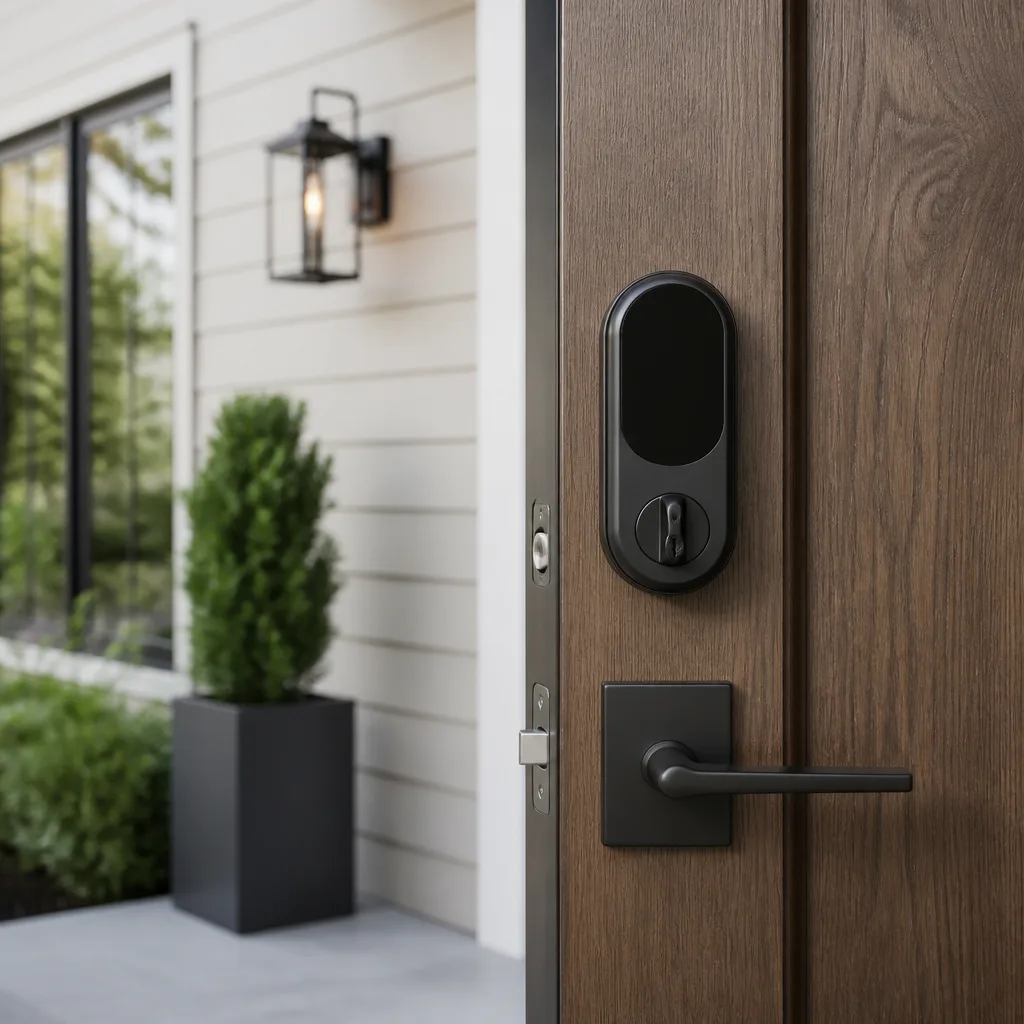 Smart locks
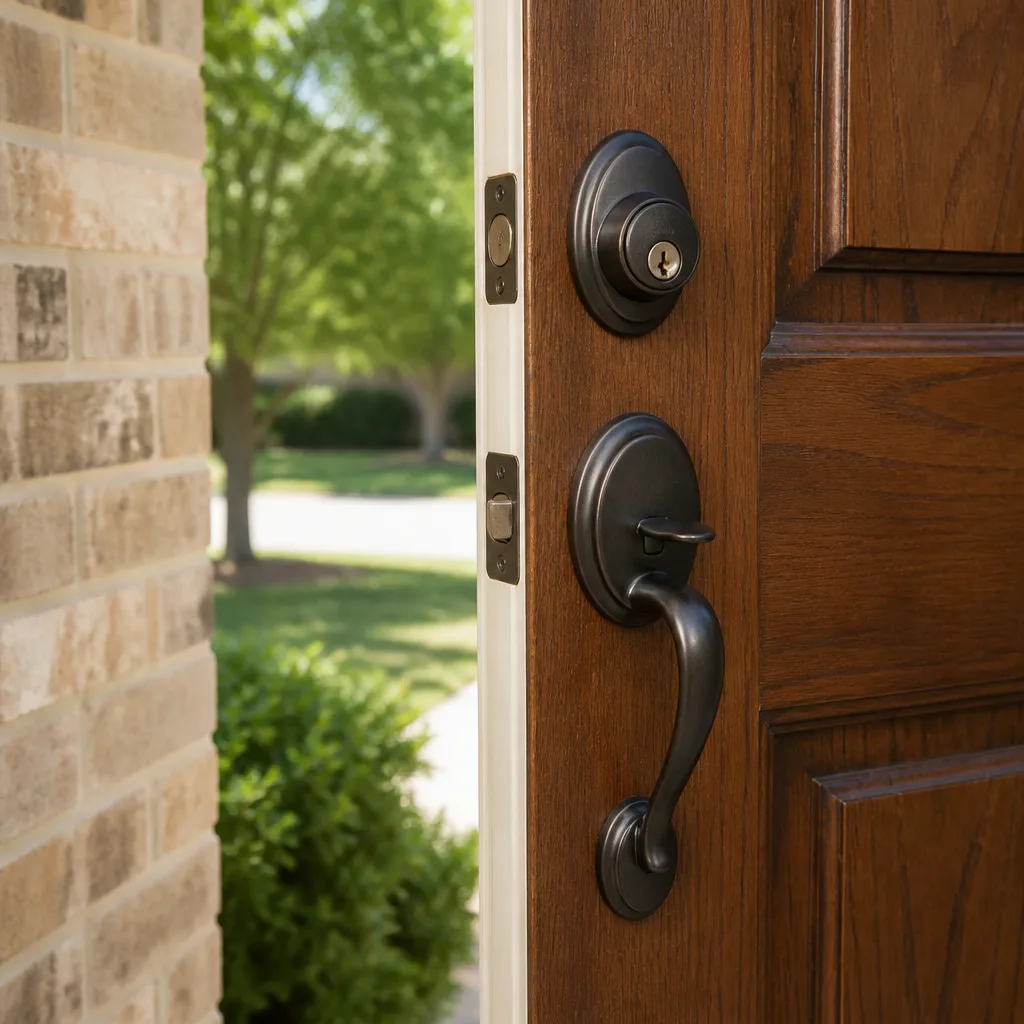 House lockouts
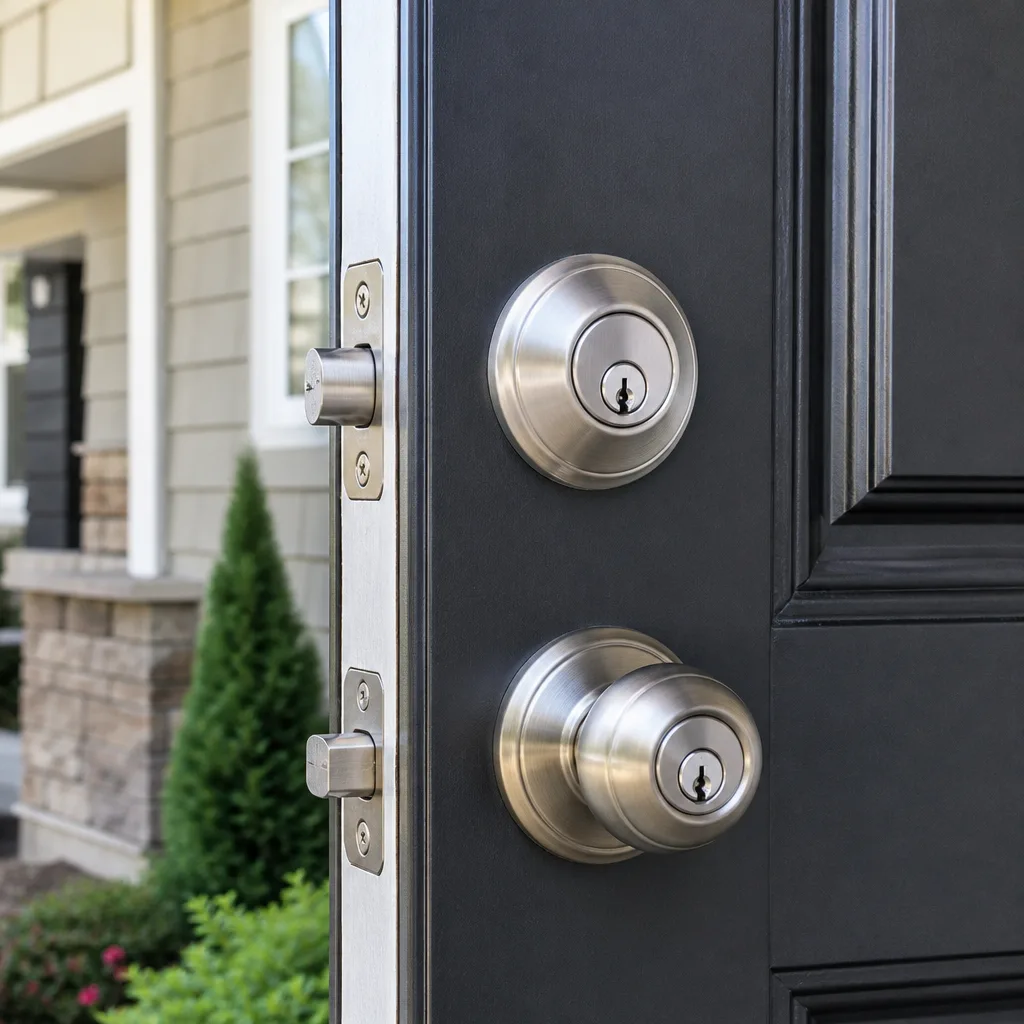 Re-keying
 Deadbolt upgrades
 Schlage
 Kwikset
 Car keys & fobs
Non-destructive entry first, always - and we re-key Schlage, Kwikset, and Baldwin locks on the spot while you watch
You get a price before we start. It does not change when we arrive. No surprises.
Get your free estimateThe Complete Guide to Locksmith in Washington, D.C.
Washington, D.C. is home to more than 177 foreign embassies and chanceries, and the residential blocks surrounding them carry some of the highest-security lock hardware in the country. Walk a few blocks from Massachusetts Avenue’s Embassy Row and you’ll find Medeco cylinders on a Capitol Hill rowhouse door, Mul-T-Lock deadbolts on a Cleveland Park co-op, and Abloy padlocks securing a contractor’s gate in Shaw. Yet most locksmith guides treat the city like a generic suburb. This guide maps every locksmith service category to the specific property types, ward patterns, and security realities of Washington, D.C. so you know exactly what kind of expertise your situation actually requires.
Quick Answer
A locksmith in Washington, D.C. handles three core service categories: emergency lockouts, preventive security work like rekeying and lock replacement, and automotive key services. The city’s mix of historic rowhouses, high-rise condos, federal-adjacent properties, and diplomatic-vehicle traffic means many jobs require brand-specific expertise in Schlage, Kwikset, Yale, Baldwin, Medeco, Mul-T-Lock, Abloy, and Sargent hardware. This guide explains how to choose the right locksmith for each situation, what D.C.-specific factors affect pricing and turnaround, and how to verify a locksmith’s credentials through the DCRA before any work begins.
Styles & brands we work with
Table of Contents
- How D.C.’s Housing Stock Shapes Its Lock Needs
- Emergency Lockout Services: What to Expect in D.C.
- Rekeying in D.C.: When, Why, and What It Costs
- High-Security Lock Hardware: What Actually Matters
- Car Key Replacement in a Unique Market
- DCRA Licensure and Due Diligence
- Common Mistakes to Avoid
- Frequently Asked Questions
How D.C.’s Housing Stock Shapes Its Lock Needs
Washington, D.C. is a ward-by-ward study in lock hardware variation, and no single locksmith approach fits every call. The city’s housing stock spans 19th-century brick rowhouses, mid-century cooperative buildings, glass-walled condos along the waterfront, and sprawling detached homes in the city’s far Northwest reaches. Each property type carries its own set of typical lock problems, wear patterns, and security expectations.
On Capitol Hill and in Shaw, Bloomingdale, and Petworth, the dominant housing form is the rowhouse. These homes are typically 80 to 120 years old, and many still hold original mortise locksets. A mortise lock is not a deadbolt replacement job; it requires a locksmith who can disassemble the lock body, identify the manufacturer (often long-defunct or absorbed into Yale or Sargent), and either restore it or retrofit the door for modern hardware. In our experience across Washington, D.C., we regularly see mortise locks that have outlasted three generations of hardware-store deadbolts on the same block. The smart move on a rowhouse rekey is often to preserve the original mortise body and add a Schlage or Mul-T-Lock deadbolt above it, giving you both period correctness and modern security.
Foggy Bottom, the West End, and the growing Union Market district skew heavily toward condominiums and co-ops built from the 1960s onward. These buildings almost universally use cylindrical bored locksets, most commonly Schlage or Kwikset. The lock hardware here is easier to service, but building rules complicate matters. Many co-op boards require written notice before any lock cylinder changes, and some mandate that the building’s preferred locksmith handle hardware inside the unit door. The practical takeaway: when you call a locksmith for a condo in Washington, D.C., be prepared for a two-step process: a fast fix from your locksmith, then a follow-up with the board’s documentation. A good locksmith will know this and leave you with a work summary you can hand to your property manager.
Northwest neighborhoods like Chevy Chase DC, American University Park, and Palisades have more standalone single-family homes, and those homeowners tend to upgrade. We see more Baldwin and Medeco hardware in these wards than anywhere else in the city. Baldwin locksets are beautiful and heavy, but their internal mechanisms need periodic servicing, which is where a hardware store lock in the same style rarely matches. Medeco, by contrast, is chosen for security first: its cylinders resist drilling, picking, and unauthorized key duplication because blanks and keying cards are strictly controlled through authorized dealers.
The function of a given property also changes what a locksmith needs to handle. Embassy-adjacent rentals in Woodley Park and Kalorama frequently carry Mul-T-Lock or Abloy cylinders installed by previous diplomatic or journalistic tenants. A standard Kwikset rekey is not an option on these locks; the hardware requires proprietary tooling and supply-chain authorization. A locksmith without those credentials cannot service them, plain and simple.
The bottom line for D.C. lock work: the property type and the ward dictate the likely hardware, which dictates the required expertise. If you own or rent in Washington, D.C., the most useful thing you can do before any emergency is know what brand of lock is on your most-used door. It saves time, gets you an accurate estimate faster, and helps you sort credible locksmiths from phone-only operators who will show up and improvise.
Emergency Lockout Services: What to Expect in D.C.
An emergency lockout call in Washington, D.C. comes with predictable patterns. The most common household scenario is a deadbolt or spring latch that failed while the key was still inside the cylinder. The second most common is a lost or stolen key, especially in rental-heavy neighborhoods with high tenant turnover, like Columbia Heights, NoMa, and Navy Yard. Either way, the goal is the same: get the door open without destroying the lock or the door, then restore security before the day ends.
Here is the step-by-step of how a professional emergency service call should unfold:
- Initial assessment on the phone. You describe the lock, the door, and the situation. A credible locksmith asks about the lock brand if you know it, whether the key broke off inside, and whether the door is the only entry point.
- Price quote before dispatch. The full price for the service call, the labor, and the likely parts should be stated on the phone. In Washington, D.C., a residential lockout typically runs $90 to $180 for opening plus any cylinder replacement or rekey work. Commercial and high-security doors run higher, $150 to $300, because the hardware demands different tools and the risk of door damage is higher.
- Entry with minimized damage. A trained locksmith picks or bypasses the lock where possible. Drilling is a last resort, reserved for cylinders that are broken, seized, or were previously damaged. If drilling happens, a replacement cylinder should be quoted and installed at the same visit.
- Restoration before departure. The locksmith should not leave you with a door that cannot lock. If the lock is not savable, a replacement is installed on the spot. If it is savable, the cylinder is rekeyed so any lost keys become useless.
What sets the best D.C. emergency calls apart is what happens before the locksmith arrives. A locksmith who operates the way Coral Locksmith home does will quote the full price on the phone, state plainly that there is no added call-out surcharge on arrival, and explain what the likely fix will be. The price you hear on the phone is the price on the invoice. That matters in a market where the emergency locksmith business has a documented problem with bait pricing, where a “from $19” ad becomes a $400 bill at the door. Any locksmith in Washington, D.C. who will not give you a full price on the phone is not a locksmith you want standing at your door.
For commercial and business lockouts, the stakes are higher. A restaurant in Adams Morgan that cannot open its front door loses revenue every minute. A law office in the Golden Triangle with a failed keypad lock has confidential material behind a door that will not secure. These calls demand a locksmith who carries commercial-grade hardware in the truck, including Sargent and Schlage cylinders for storefront doors, and who is prepared to rekey before leaving so no former employee’s key still works. Emergency Locksmith in Washington, D.C. is a service model built for exactly this kind of time-critical work.
One final piece of advice for D.C. residents: do not break a window to avoid a locksmith bill. A replacement pane of glass in a historic rowhouse often costs more than the lockout call, and if the window is in a protected historic district, the permit requirements add another layer of cost and delay. The lock, by comparison, is a fast professional fix.
Rekeying in D.C.: When, Why, and What It Costs
Rekeying is the most cost-effective security upgrade in a city with as much rental turnover as Washington, D.C. The principle is simple: the lock body and decorative hardware stay in place, while the internal pins and springs are reconfigured so the old key no longer works and a new key does. It costs a fraction of full lock replacement, usually $20 to $45 per cylinder for standard Schlage or Kwikset locks in the D.C. market, and it takes about 20 minutes per lock.
There are five specific moments when D.C. property owners should rekey immediately:
- After closing on a home. You have no idea how many copies of the old key exist. Contractors, cleaners, realtors, a previous tenant’s partner, a dog walker who quit two years ago. Rekey the day you get the keys.
- After tenant turnover. This is both smart and, in many D.C. rental contexts, expected. Landlords who fail to rekey between tenants leave themselves exposed if a former tenant or their guest turns up and a break-in is later reported.
- After a lost or stolen key. A lost key that might be found is not a security problem. A stolen key tied to a known address, or a lost key with an attached tag showing the address, is a rekey-now situation.
- After a roommate, partner, or employee leaves. Even when things end well, locks should not depend on goodwill.
- When a key control history is unknown. For a newly purchased multi-unit building, a new office suite, or a short-term rental you have taken over, you are inheriting key distribution you cannot audit.
For landlords navigating D.C.’s rental market, rekeying has a regulatory dimension. Washington, D.C. housing code requires that each dwelling unit’s doors have functioning locks, and tenant turnover is the landlord’s clearest opportunity to reset that security baseline. A landlord who rekeys between tenants and documents the work creates a record that protects against disputes about unauthorized entry or property loss. A landlord who does not rekey leaves an open question: who else held a key to that unit, and for how long?
The “rekey, don’t replace” framing matters here. A full Schlage deadbolt replacement runs $60 to $120 per door in the D.C. area for parts and labor, while rekeying the same lock runs $20 to $45. For a four-unit rental building with two locks per door, full replacement can quickly become a $1,000 job. Rekeying the same set of eight cylinders can be completed for under $300. Rekey Locks in Washington, D.C. covers exactly this service model: same hardware, refreshed key control, documented for your records.
A useful D.C.-specific note: many of the city’s oldest rowhouses have front doors with both a mortise lock and a separate deadbolt. If you rekey only the deadbolt and leave the mortise lock on the old key, you have created the illusion of security. A complete rekey covers every keyed cylinder on every exterior door. When you schedule a rekey, mention how many doors and how many cylinders you actually need, and whether any interior doors (home offices, basement units, garage entries) should be keyed separately.
High-Security Lock Hardware: What Actually Matters
High-security lock hardware is not just a more expensive deadbolt. It is a fundamentally different category of lock, governed by restricted key control, drill-resistant materials, and manufacturer-controlled distribution. In Washington, D.C., this category matters more than in almost any other U.S. city because the local market has an unusually high concentration of people who conduct security-sensitive work, host visiting officials, or simply live adjacent to diplomatic properties and want equivalent protection.
The three high-security brands most relevant to D.C. are Medeco, Mul-T-Lock, and Abloy. Each works differently:
- Medeco uses a dual-action locking system in which pins must be both lifted and rotated to align with the key’s angled cuts. Key blanks are patented and available only through authorized Medeco dealers. A Medeco lock cannot be rekeyed by a locksmith without Medeco authorization, which is issued through an accreditation process.
- Mul-T-Lock uses a telescoping pin-in-pin system with a side pin, which makes it highly resistant to picking, bumping, and 3D-printed key attacks. Mul-T-Lock’s key control system means a key marked “do not duplicate” genuinely cannot be copied at a standard hardware counter, because the blanks are not available to the public.
- Abloy is a disc-detainer system, not a pin-tumbler system, which makes it functionally pick-proof against the vast majority of tools a typical attacker would carry. Abloy is common in commercial and utility settings, and its padlocks and rim cylinders appear throughout D.C.’s infrastructure corridors.
The distinction between a locksmith who can sell a Schlage deadbolt and one who can service an Abloy cylinder is not academic. When an Abloy lock fails, the replacement cylinder must come through an authorized channel, and installation requires specific training because the cylinder body and keyway interact differently than consumer hardware. A locksmith without that training who attempts an Abloy service call will either refuse the job, damage the lock, or install a consumer-grade replacement that breaks the property’s security policy.
This is the point where the full spectrum matters. Coral Locksmith is certified across eight major lock brands, from consumer standards like Kwikset and Schlage through premium lines like Baldwin and up to the certified high-security tier of Medeco, Mul-T-Lock, Abloy, and Sargent. That range is not a marketing flourish; it means one call can handle a Yale knob in a Logan Circle walkup on Tuesday and a Medeco retrofit in a Kalorama embassy-row property on Wednesday. Most Washington, D.C. locksmiths do not carry that breadth, and when a high-security system needs service, the property owner usually ends up calling several numbers before finding someone who can say, “Yes, we service that hardware.”
For a homeowner thinking about upgrading, the practical question is whether the added cost of high-security hardware is justified. A Schlage B560 deadbolt with a standard cylinder costs $70 to $110 for parts and installation in the D.C. market. A Medeco Maxum deadbolt runs $250 to $450 installed, and a Mul-T-Lock Hercular with a high-security cylinder is in a similar range. The difference is not the bolt strength; it is what happens when someone tries to pick the lock, copy the key, or attack the cylinder. For a rowhouse on Capitol Hill with standard exposures, a well-installed Schlage is a reasonable baseline. For a homeowner who keeps sensitive paperwork, hosts out-of-town guests with security concerns, or simply wants key copies that cannot be made at the corner hardware store, the high-security upgrade is the right call.
Car Key Replacement in a Unique Market
Washington, D.C.’s vehicle mix is unlike any suburb’s. The city has a high share of diplomatic vehicles, federal fleet vehicles, and late-model cars with manufacturer-specific key programming. It also has a dense core where a lost car key can mean a stranded driver blocks away from home with no spare. These factors make automotive locksmith work in D.C. a different discipline from the suburban “cut and copy” model.
The key technical fact: modern car keys are not just cut metal. Since the late 1990s, most vehicles have used transponder chips embedded in the key or fob, and many newer models use proximity-based push-to-start systems where the fob must be programmed to the vehicle’s immobilizer. Cutting a key blade is a five-minute job. Programming it so the car will start is a different process, requiring diagnostic equipment that reads the vehicle’s OBD-II port and writes the new key’s transponder ID to the car’s computer.
In Washington, D.C. specifically, there are two additional complications. First, diplomatic vehicles often use non-U.S. market models with key systems that never appeared in North American dealer catalogs. A Toyota Land Cruiser 70 series from a West African mission has a different key setup than anything sold on the local market. Second, federal fleet vehicles may have fleet-specific programming that restricts key creation to authorized vendors. A locksmith who replaces car keys in D.C. regularly handles both scenarios; a general locksmith who does occasional automotive work will likely have to refer these cases out.
Here is the step-by-step process of a proper car key replacement:
- Vehicle identification. You provide the year, make, and model, and ideally the VIN. The VIN lets a locksmith verify the exact key system and confirm ownership.
- Key type determination. The locksmith identifies whether you need a basic transponder key, a remote-head key with buttons, a smart fob, or a proximity card.
- Blade cutting. The mechanical key blade is cut to match the vehicle’s ignition and door locks.
- Transponder programming. The new key or fob is paired to the vehicle’s immobilizer using diagnostic equipment. This step is what prevents the key from just unlocking the doors without starting the car.
- All-keys-lost handling. If no working key exists, the locksmith performs an “all keys lost” procedure, which reprograms the vehicle’s system to accept only the new keys and to lock out any previously paired fobs. This is essential in D.C., where a lost key can mean a stranger has access to a car parked on the street.
The cost difference between a dealership and a qualified automotive locksmith in Washington, D.C. is meaningful. Dealership key replacement typically runs $250 to $600 for transponder keys and $400 to $900 for smart fobs, with appointments that may be days out. A dedicated automotive locksmith in D.C. typically handles the same work for $150 to $400, often same day, with no tow needed. Car Key Replacement in Washington, D.C. is built around this exact service, because losing a car key in a city where your car may be parked a mile from home is not a problem that can wait for a dealership appointment.
One urgent safety note for drivers: if your car key is lost or stolen, and you know where the car is, move the car or have it re-keyed before leaving it in place overnight. A stolen key in a dense neighborhood means an empty car that can still be driven away. Rekeying the vehicle is the automotive equivalent of rekeying a door, and in a city with D.C.’s street parking density, it is the difference between a lost key and a stolen car.
DCRA Licensure and Due Diligence
Washington, D.C. regulates locksmiths through the Department of Consumer and Regulatory Affairs (DCRA), now reorganized as the Department of Buildings (DOB). This is the single most important verification any D.C. resident can make before a locksmith touches a lock, because an unlicensed operator in this industry has no accountability mechanism when a door is damaged or a key control breach occurs.
The steps to verify a D.C. locksmith take ten minutes and should happen before any work is scheduled:
- Ask for the business’s legal name and DCRA license number. A licensed D.C. locksmith will provide both without hesitation. If the person on the phone dodges the question, end the call.
- Check the DCRA/DLCP online license lookup. The Department of Licensing and Consumer Protection maintains a searchable database of licensed businesses, including locksmiths. Confirm the business name matches the invoice you will receive, and that the license is active, not expired or suspended.
- Confirm the locksmith arriving at your door matches the business. Ask to see the license or credential when the technician arrives. An employee of a licensed business should be able to identify themselves as such.
- Match the phone number on the estimate to the business you called. One of the most common locksmith scams begins with a local-looking phone number that routes to a call center in another state, which then dispatches an unlicensed local contractor. The invoice comes from a different company than the one that answered the call.
- Request a written estimate before work begins. D.C. consumer protection rules allow you to request a written estimate. A refusal to provide one, especially after an initial verbal quote, is grounds to send the locksmith away.
Beyond licensure, the credential that separates serious D.C. locksmiths from the rest is manufacturer certification. Medeco, Mul-T-Lock, and Abloy all require locksmiths to complete training and maintain authorized status before they can purchase restricted key blanks or high-security cylinders. If you have high-security hardware, ask the locksmith whether they hold the manufacturer’s authorization for your brand. If they cannot answer that question clearly, find someone else for that particular job.
In Washington, D.C., the DCRA licensure requirement is not optional, and property managers who hire unlicensed locksmiths for multi-unit buildings may be creating liability for themselves. If a lock job goes wrong, an unlicensed operator simply disappears. A licensed one answers to the licensing authority and to the consumer protection process. This due diligence is not bureaucratic overhead; it is the difference between hiring a professional and rolling dice on a phone number.
Common Mistakes to Avoid
- Calling the first number in the search ads without checking licensure. Locksmith lead-generation networks often run ads with local phone numbers that route to out-of-state dispatch centers. The technician who shows up may be a subcontractor with no relationship to the business you thought you called. Check the DCRA record first.
- Accepting a “from $19” quote over the phone. This is the classic bait-price opener. The real bill arrives at the door, inflated with drilling fees, emergency surcharges, and cylinder replacement charges that were never quoted. In Washington, D.C., a residential lockout realistically runs $90 to $180; any “from” price far below that is a red flag.
- Rekeying only the front door after a move-in. Most D.C. rowhouses have at least two exterior doors, and many have a rear basement door or a garage entry. If the old key opens any of them, the rekey was incomplete. Treat every keyed exterior cylinder as one security boundary.
- Using a hardware-store key duplication for a high-security key. Medeco, Mul-T-Lock, and Abloy keys are restricted specifically because the blanks are not available to the public. A hardware store cannot duplicate them, and attempting to have one copied at a big-box kiosk will simply fail or produce a non-functional key.
- Leaving a lock drilled rather than replaced. If a lockout requires drilling, the cylinder is destroyed. A professional locksmith will have a replacement cylinder ready and will install it before leaving. If the door is left with a drilled hole and no new cylinder, the property is unsecured, and the job is not finished.
- Delaying a car key replacement until the spare is also lost. In a city where cars sit on the street, a single lost transponder key is already an all-keys-lost situation waiting to happen. Once the last working key is gone, the vehicle has to be reprogrammed from scratch, which costs more and takes longer.
When to Call a Professional
Call a professional the moment a lock situation involves a security boundary you cannot verify yourself. That includes any lockout where the door cannot be opened without risk of damage, any post-move-in or post-tenant-turnover transition where key history is unknown, any high-security cylinder that needs servicing, and any car key loss on a modern transponder-equipped vehicle. These are not learning opportunities; they are the exact moments where an under-qualified attempt costs more than the professional service would have. Coral Locksmith offers free estimates in Washington, D.C. – call (855) 382-1343 to get a full price on the phone before any work begins.
Frequently Asked Questions
A residential lockout in Washington, D.C. typically runs $90 to $180 for the service call and labor, while rekeying a standard Schlage or Kwikset cylinder runs $20 to $45 per lock. High-security work, such as Medeco or Mul-T-Lock service, runs higher because the cylinders and key blanks are restricted. The full price should always be quoted on the phone before dispatch, and there should be no additional call-out surcharge on arrival. Call (855) 382-1343 for an exact quote on your specific lock or vehicle – estimates are free.
With a reputable D.C. locksmith, yes. The price quoted on the phone is the price on the invoice, barring circumstances that could not have been anticipated and were explained before additional work was done. If a locksmith will not commit to a full price before dispatch, or tacks on a “dispatch fee” or “administrative fee” that was never mentioned, treat that as a red flag and end the call.
Response time in Washington, D.C. depends on your location, the time of day, and traffic conditions, but local emergency service is designed for same-day resolution. Unlike dealership key replacement, which may require appointments days out, a D.C. automotive and emergency locksmith can typically complete a lockout or rekey on the first visit. Call (855) 382-1343 and describe your situation, and we’ll give you an honest arrival estimate for your neighborhood.
Ask for the business’s legal name and DCRA license number, then verify both through the Department of Licensing and Consumer Protection’s online lookup tool. A licensed locksmith will give you this information without resistance. When the technician arrives, confirm the name on their uniform or vehicle matches the business you called. This is the single most reliable way to avoid unlicensed contractors and dispatch scams.
Only locksmiths with manufacturer certification can service Medeco, Mul-T-Lock, and Abloy hardware, because these brands restrict cylinder sales and key blanks to authorized dealers. Coral Locksmith is certified across eight major lock brands, including the high-security tier, so a Medeco or Abloy service call does not require a second opinion or a subcontractor. Before hiring anyone for high-security work, ask whether they hold the manufacturer’s authorization for your specific brand.
Rekeying is almost always the better choice after moving into a D.C. home or apartment. The process reconfigures the existing cylinders so old keys no longer work, at a cost of $20 to $45 per lock, compared with $60 to $120 per lock for full replacement. The only exception is when the existing hardware is damaged, excessively worn, or you want to upgrade to a higher-security cylinder while you have the locksmith on site. Rekey Locks in Washington, D.C. covers exactly this decision process.
The Emergency Locksmith in Washington, D.C. service covers urgent lockouts, break-in repairs, and time-critical commercial openings. For drivers dealing with a lost transponder key or a fob that stopped working, Car Key Replacement in Washington, D.C. handles programming and cutting without dealership markups. And for a broader picture of how these services fit together, Coral Locksmith home connects the full range.
First, ensure the property is secure enough to protect yourself and anyone else inside. A locksmith can secure a damaged door or broken lock the same day, often by installing a temporary lock or repairing the strike plate and deadbolt. Second, file a police report with MPD, which establishes a documented record for insurance. Third, rekey or replace every exterior cylinder, because a break-in means a key or lock vulnerability existed somewhere, and your key control baseline is now compromised. Call (855) 382-1343 for same-day rekeying and security restoration in Washington, D.C.
The Bottom Line
Washington, D.C. is not a generic locksmith market. It is a city where a Capitol Hill rowhouse still carries a century-old mortise lock, a Kalorama rental may have Mul-T-Lock cylinders left by a previous tenant, and a stranded driver’s modern fob needs diagnostic programming rather than a quick blade cut. The right locksmith for this city must handle the full spectrum: emergency lockouts with honest upfront pricing, preventive rekeying that resets key control without unnecessary replacement costs, car key work that does not require a dealership appointment, and certified service on high-security hardware that most local shops cannot touch. That is the standard any D.C. homeowner, landlord, property manager, or driver should demand. One phone call to (855) 382-1343 covers the estimate, and the price you hear is the price you pay.
Written by the team at Coral Locksmith, serving Washington, D.C. since 2018.